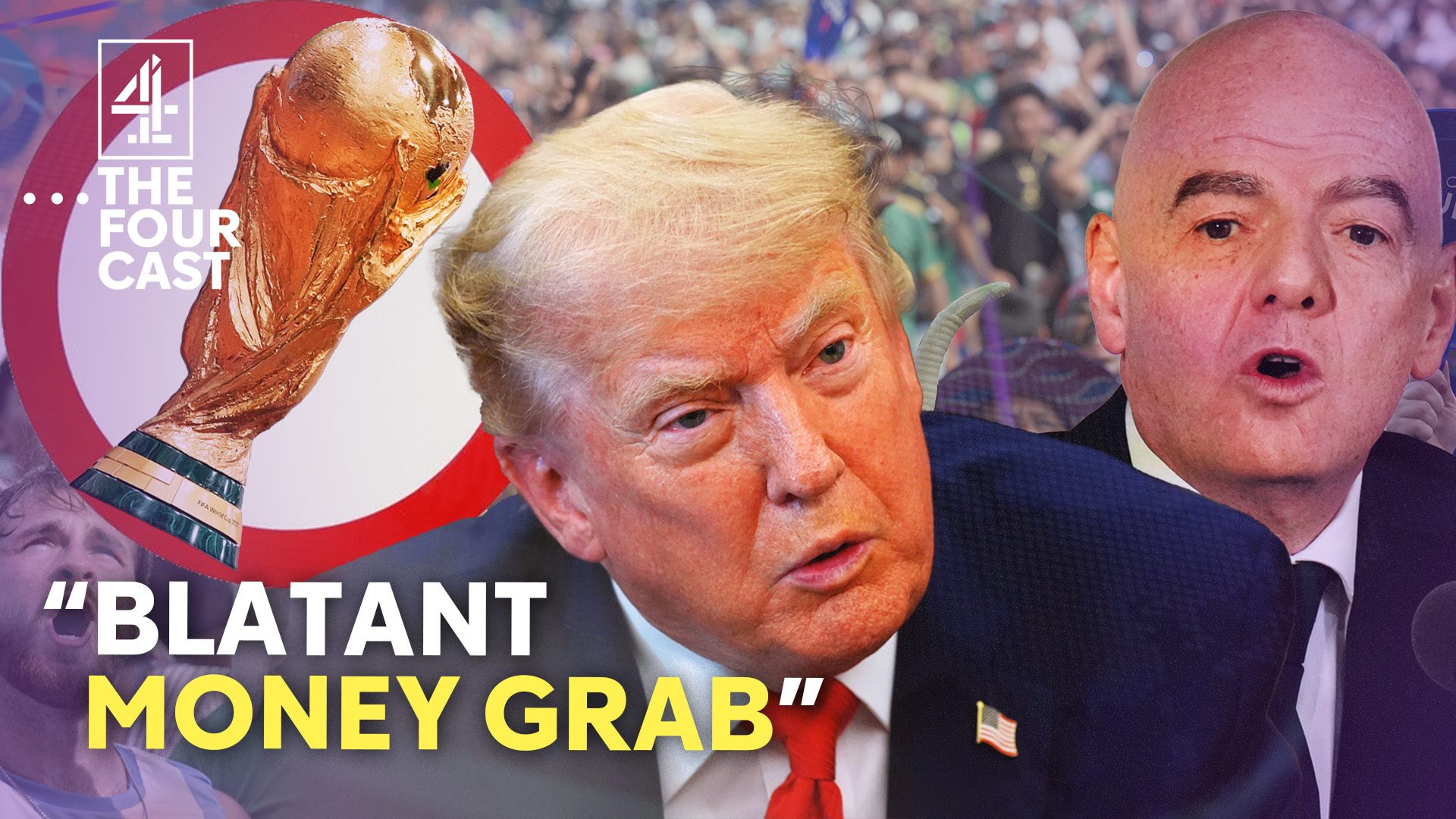
Before a ball was even kicked, this tournament was already mired in controversy. The 2026 World Cup, co-hosted by the United States, Mexico and Canada, has seen three red cards in its opening games, a win for co-hosts Mexico, and a notable absence: US President Donald Trump is set not to attend America’s opening match against Paraguay. But the off-pitch drama goes far deeper — from strict border controls and eye-watering ticket prices to the prospect of two countries at war playing each other, and a shadow cast by Mexico’s powerful drug cartels.
The World Cup is football’s biggest tournament, now expanded to 48 teams and spread across three nations. It kicked off in June 2026 with Mexico beating their opponents in front of a home crowd. Yet the tournament has become inseparable from global politics. The US-Mexico relationship is on a “knife’s edge”, with tensions over trade, cartels and a brewing extradition standoff. President Claudia Sheinbaum of Mexico has had to balance cooperation with Donald Trump’s demands to crack down on drug trafficking, while facing pressure at home over security.
“Politics, cartels and border tensions are overshadowing the 2026 World Cup in North America.”
The root of the security concerns lies in Mexico’s long-running drug war. The Jalisco New Generation Cartel (CJNG) dominates the state of Jalisco, which hosts matches at Guadalajara’s gleaming Akron Stadium. The CJNG emerged in 2010 and has since expanded to some 40 countries, trafficking fentanyl, meth and cocaine to the US. It is infamous for brazen attacks on officials: around a third of Mexico is ruled by cartels, and more than 130,000 people are missing nationwide. In February 2026, Mexican special forces fatally wounded the CJNG leader Nemesio Oseguera Cervantes, known as “El Mencho”, in a shootout near Guadalajara. But the cartel’s grip remains, with safe houses holding unwilling recruits — as in the case of Daniel Flores Fernández, a 19-year-old snatched from his home in 2021 and still missing.
For UK readers, this intersection of football and geopolitics has real-world implications. England are playing in the tournament, and fans are travelling to both the US and Mexico. The safety of supporters in cartel-affected areas like Guadalajara is a concern, though authorities have deployed significant security. The political backdrop also affects the atmosphere: Trump’s absence from the US opener symbolises a strained co-hosting relationship, and his threats to put “boots on the ground” in Mexico add an edge to cross-border rivalries. High ticket prices and strict border controls have already frustrated fans, and the presence of warring nations raises questions about how the sport can remain a unifying force.
Q: Is it safe for football fans attending the World Cup in Mexico? Mexican authorities have stepped up security around stadiums and tourist areas, but cartel violence remains a threat in regions like Jalisco. While no major incidents have been reported during the opening games, the risk is real — especially near cartel strongholds. Fans are advised to stay in official zones and follow local guidance.
Q: Why isn’t Donald Trump attending the US opening match? President Trump has chosen not to attend the USA’s first game against Paraguay, a decision that has drawn attention given he is hosting the tournament. While the exact reason hasn’t been publicly stated, it fits a pattern of strained US-Mexico relations under his administration.
Q: What is the US-Mexico dispute about? The two countries are at odds over trade tariffs, the flow of drugs and migration. Trump has pressured Mexico to crack down on cartels, threatening unilateral US military action. Mexico’s President Sheinbaum is caught between cooperating with Washington and asserting national sovereignty, leading to a standoff over extradition and border policies.
As the World Cup progresses, the security and political challenges will be tested. Matches in Guadalajara continue, while US-Mexico diplomatic talks are ongoing. For now, the beautiful game is playing out against a backdrop of cartel violence, cross-border tension and a presidency that has turned the tournament into a stage for global politics. Whether the joy of football can overcome these pressures remains to be seen.