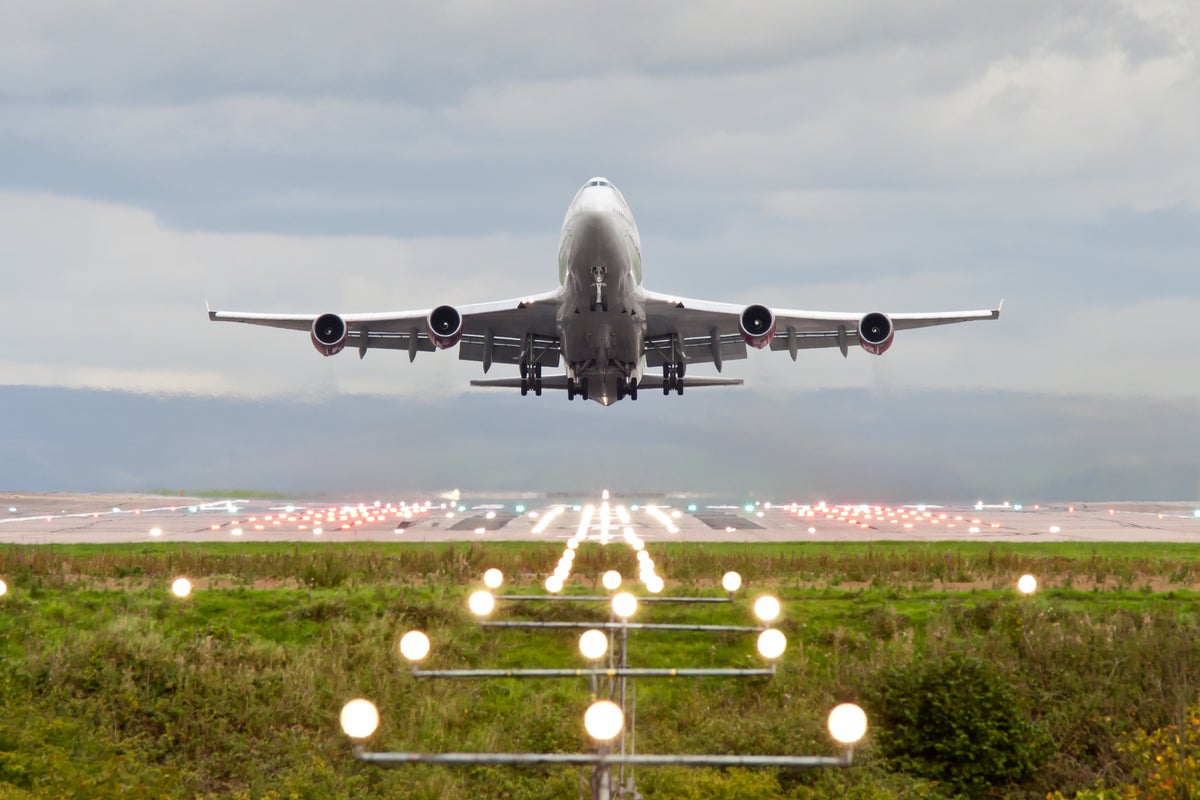
A 14-year-old boy from Bolton is "assisting" police after a hoax threat against a passenger jet forced the scrambling of RAF Typhoon fighters, causing panic and disruption over Manchester Airport. The incident, which unfolded on a Friday evening in July 2026, is the latest example of a dangerous trend that wastes millions of pounds in emergency resources and puts lives at risk.
On the day in question, National Air Traffic Services (Nats) received a threat at around 6pm concerning a Qatar Airways flight heading to Manchester Airport. Within minutes, RAF Typhoons were launched from bases in Lincolnshire to intercept the aircraft—a standard response to any credible threat. The plane landed safely, and police confirmed there was no danger to passengers or crew. But the real culprit wasn't on the flight: a 14-year-old boy was later identified and is now assisting Greater Manchester Police with their inquiries.
“What happens when a hoax threat forces RAF Typhoons to scramble, and why the 14-year-old boy now faces serious legal consequences.”
Hoax threats to aircraft are not new, but they remain a serious problem. When a threat is made, the authorities have no choice but to treat it as genuine until proven otherwise. The protocol involves a coordinated response from air traffic control, police, and the military. RAF fighters are scrambled to intercept the endangered aircraft, escort it to a secure location, and ensure it lands without incident. Passengers may be held on the tarmac, flights delayed, and airports put on lockdown. In this case, the disruption was significant, though specific costs have not been disclosed.
The legal consequences for making hoax threats are severe. Under UK law, it is an offence under the Aviation and Maritime Security Act 1990 to communicate false information that endangers an aircraft. Offenders can face up to five years in prison, fines, or both. Police also note that hoax calls divert vital emergency services—ambulances, fire crews, and police officers—away from real emergencies. Chief Inspector Gary Homa of Greater Manchester Police said: "This type of behaviour is completely unacceptable. Hoax calls can cause significant disruption, divert vital emergency service resources and create unnecessary concern for passengers, crew and the wider public."
For UK readers, this incident raises important questions about security and the cost of false alarms. While the immediate outcome was safe, each hoax can cost taxpayers tens of thousands of pounds—fuel for fighters, overtime for staff, and airspace closures. It also causes immense stress for passengers, who often have no idea what is happening until after the event. The 14-year-old boy, who was not on the flight, now faces potential criminal charges. His case will be followed by authorities seeking to deter others from similar "pranks."
Q: What happens when a hoax threat is made to an aircraft? A: Threat information is received by air traffic control, which immediately alerts the police and military. RAF Typhoon fighters are scrambled to intercept the aircraft, escorting it to a safe landing. Passengers and crew are checked, and a full investigation begins to identify the source of the threat.
Q: Why are RAF Typhoons scrambled for hoax threats? A: Until the threat is proven false, it is treated as real. Scrambling fighters is the fastest way to intercept a potentially hijacked or bomb-threatened plane, assess the situation, and, if necessary, take defensive action. The procedure prioritises public safety over cost or convenience.
Q: What are the legal consequences for making a hoax threat to an aircraft? A: It is a criminal offence under the Aviation and Maritime Security Act 1990, carrying a maximum sentence of five years in prison. Offenders may also be charged with wasting police time, which can lead to fines or community service. Minors are not exempt and can be dealt with through youth courts.
What happens next? The 14-year-old boy from Bolton will continue to assist police with their inquiries. Greater Manchester Police have warned that “making false reports is not a prank and can have serious consequences.” It is likely that the case will be referred to the Crown Prosecution Service, which will decide whether to charge him. Meanwhile, the RAF and airport authorities will review their response and continue to treat every threat—whether real or fake—with the same level of seriousness.