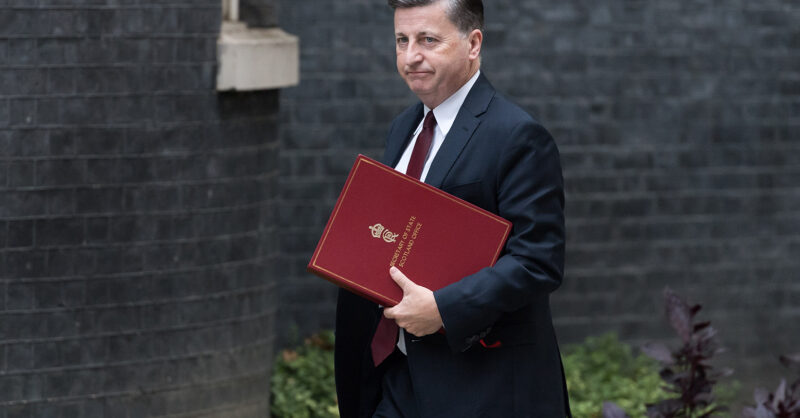
Andy Burnham becomes prime minister on Monday, and the composition of his cabinet is already the subject of intense speculation. Among the most sensitive decisions is whether to replace Douglas Alexander as Scottish Secretary, with some reports suggesting he could be moved. The New Statesman has argued strongly against such a change, warning that Scotland “isn’t blessed with great politicians” and that Alexander should be left to get on with the job. The magazine acknowledges that Alexander is not universally popular among his Scottish colleagues, with critics accusing him of arrogance and blaming him for Scottish Labour’s dreadful performance in the recent Holyrood election, a campaign he helped architect.
Burnham’s broader vision for devolution—summed up by his promise to reverse Thatcherism and return to a postwar golden age of social democracy—has also come under scrutiny. Writing in UnHerd, commentators note that his pitch, delivered at the People’s History Museum in Manchester, echoes Labour’s 2024 local election campaign under Keir Starmer, which promised “full fat devolution” to tackle regional inequality. The article argues that the narrative of taking power back from Westminster is “as misleading as it is seductive”, pointing out that centralisation was already well advanced by the 1970s, and that the underlying story does not reckon with profound changes in society and attitudes. Without addressing those deeper shifts, the article warns, the promises of renewal may prove hollow.
“Burnham becomes PM on Monday amid calls to keep Douglas Alexander as Scottish Secretary and criticism of his devolution narrative.”
The twin debates—over Alexander’s future and the credibility of Burnham’s devolution plans—highlight the challenges facing the new prime minister as he prepares to govern. Whether he heeds the calls to keep Alexander in post, and how he refines his message on power and prosperity, will shape the early days of his premiership. But as the UnHerd piece suggests, simply gripping the sword of devolution may not be enough to pull Britain free of its current discontents.