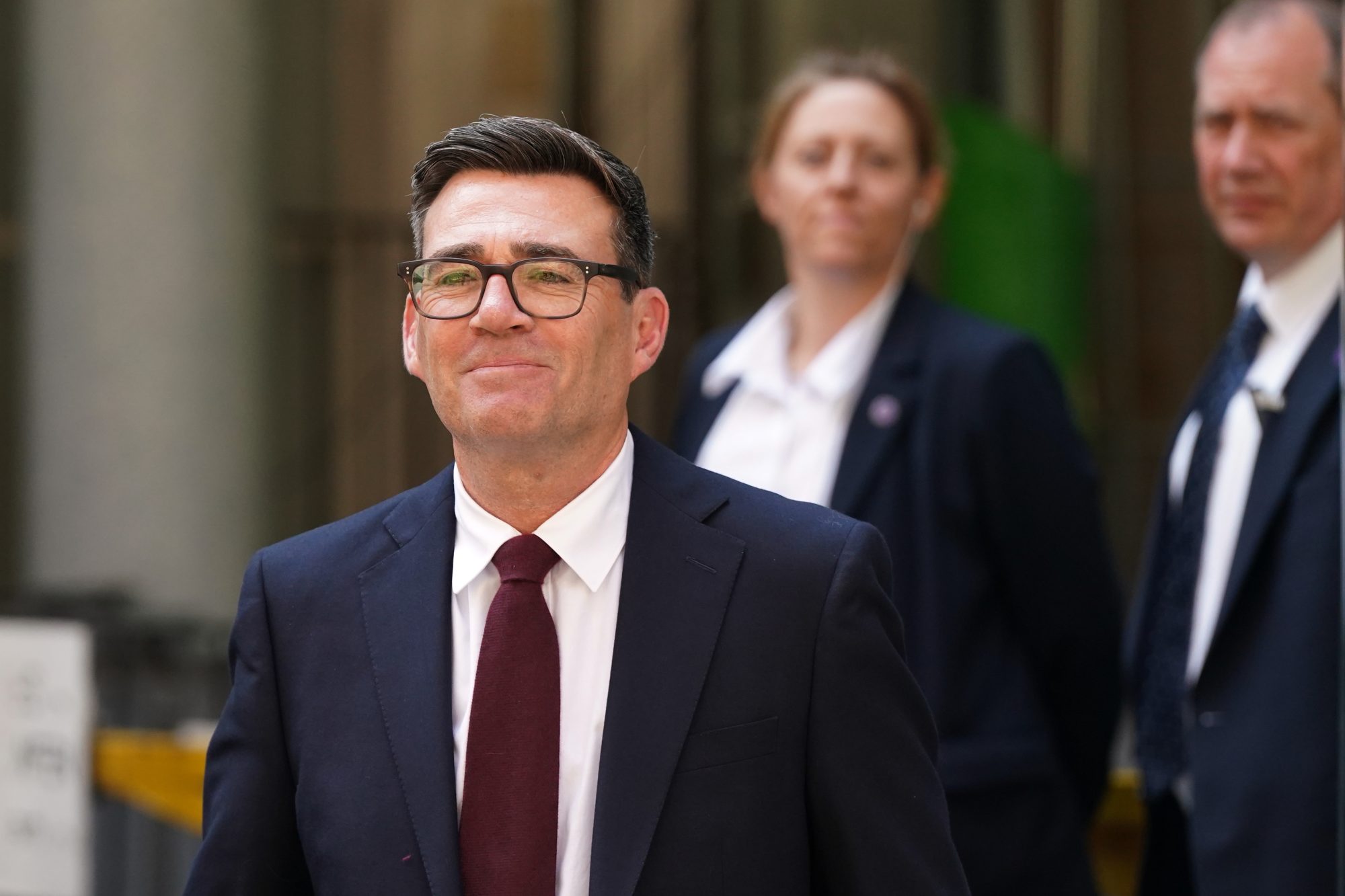
Andy Burnham is examining radical plans that could cut household energy bills by £130 a year — but the incoming prime minister is already under pressure to go further. In his speech on Friday as he became Labour leader, Burnham promised to reduce the price of “essentials”, and a cost of living package is expected to be among his first announcements in Downing Street. The energy proposal, drawn up by the thinktank Nesta and being considered by Burnham’s team, would change the way household gas is charged and remove some policy levies from bills, at a cost of £3.2bn a year to the taxpayer. Making electricity cheaper relative to gas would make running a heat pump cheaper than a gas boiler and shave £130 off average bills. Andrew Sissons, director of Nesta’s sustainable future project, said: “For years, legacy policy costs have been heavily loaded on to electricity bills, making clean heating options artificially expensive.” Nesta also proposed wiping out the backlog of consumer electricity debts at a one-off cost of £2.7bn, providing relief for about 2 million households and cutting the £29 a year all households pay to cover unpaid bills. But hours before Burnham formally takes office, Octopus Energy urged him to pursue even deeper cuts. The supplier said reforming wholesale electricity pricing would save households around £114 a year, and called for energy levies to be moved from electricity bills — a change it said could cut the average household bill by up to £189 a year. The competing proposals come as Burnham prepares to name his top team on Monday. He insisted on Friday that he had made no final decisions about his cabinet, after it emerged he had rejected energy secretary Ed Miliband as chancellor in favour of home secretary Shabana Mahmood. Any costs from an energy package would have to be met in the new chancellor’s first budget this autumn — potentially through tax rises.
UK
Andy Burnham considers radical energy shake-up as Octopus urges £189 bill cuts
Andy Burnham considers proposals to cut energy bills by £130–£189 a year, with Nesta and Octopus urging reforms.
More in UK
UK
Domestic abuse surges 38% when England lose: the hidden toll of World Cup exit
Domestic abuse rises 38% when England lose, research shows, as charities warn of frightened women.

UK
England's blind hope: young stars offer path to 2030 glory after Argentina defeat
England's World Cup loss to Argentina revives old ghosts, but a crop of youngsters offers hope for 2030.
UK
Burnham's Labour: can he unite a party riven by insults?
Andy Burnham named Labour leader as old tweets expose party's insult culture, challenging unity.
Advertisement