More than one million young people in Britain, aged 16 to 24, are not in employment, education or training – a Neet rate that has surged to a record high of 13.5 per cent in the first quarter of 2026. The proportion has climbed sharply from 12 per cent at the end of 2023, leaving the UK among the worst performers in Europe, with only Romania recording a higher rate in recent comparisons.
Andy Burnham, the Greater Manchester mayor, has acknowledged the scale of the problem. But the New Statesman argues he will need to understand why so many young people are falling through the cracks, warning that a shortage of jobs requires different remedies from unfitness for work. Three distinct factors have been identified: rising health problems including mental ill health, poor GCSE performance – a third of children leave school without level 4 or above in Maths and English – and a cultural divide that leaves young people in deprived towns at a disadvantage.
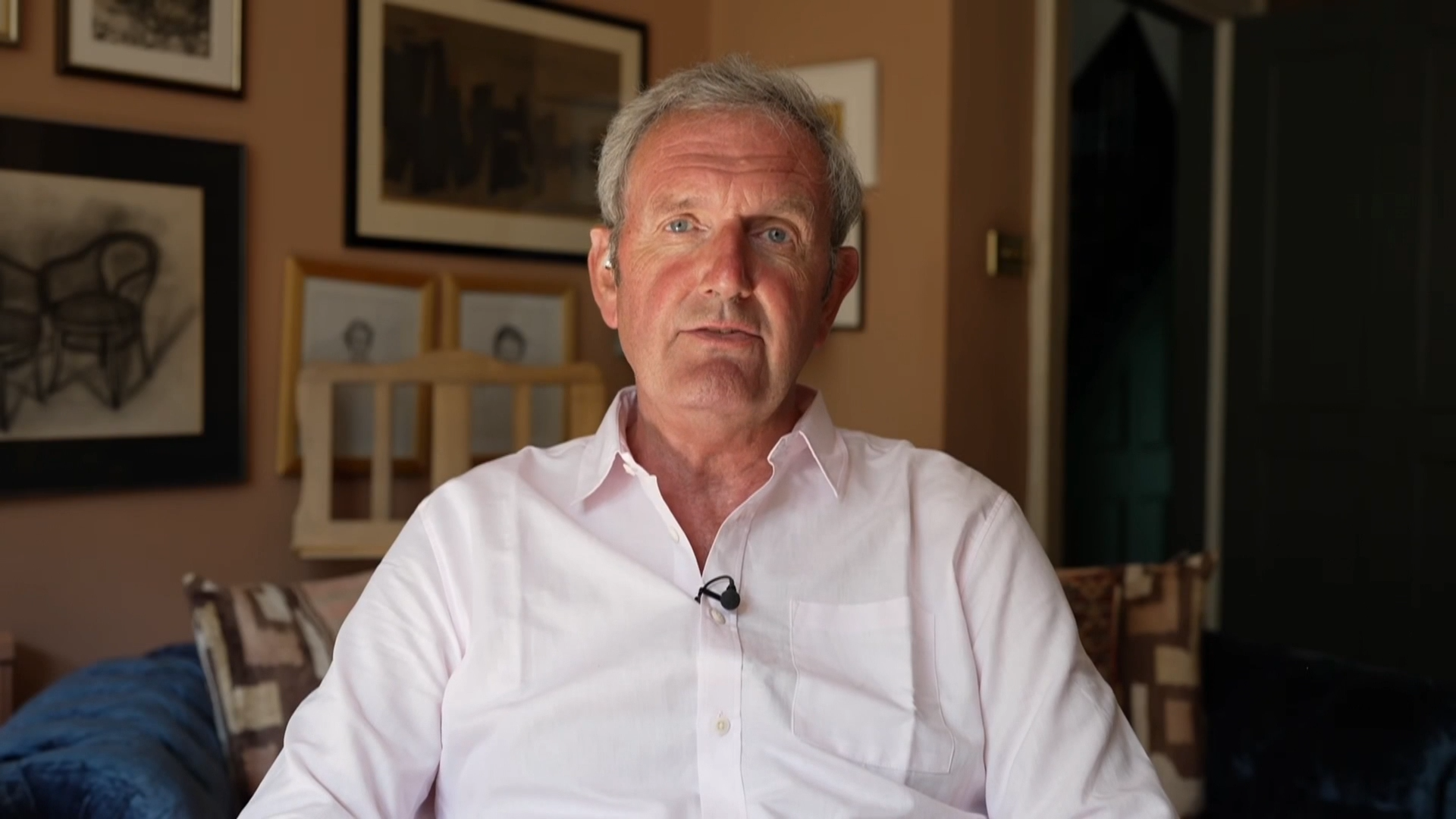
“More than one million young Britons are NEET as rate hits 13.5%, with Andy Burnham urged to act.”
The regional breakdown is stark. In London, just 12 per cent of young people are Neets, while the North-East has the highest rate, ranging from 15 to 21 per cent. Yorkshire and Humberside, the East Midlands, the North-West and the West Midlands all fare worse than the capital. The contrast is attributed to cultural advantages in London: abundant role models of success and aspirational parents, either well-educated professionals or immigrants keen for their children's success. At the opposite end, places like Blackpool, despite five years of renewal driven by an excellent mayor, still suffer some of the highest male suicide rates in the country.
The Neet crisis may demand a combination of policy responses, but with time running out for a generation whose future earnings and employment prospects are at stake, Burnham’s next moves will be closely watched.