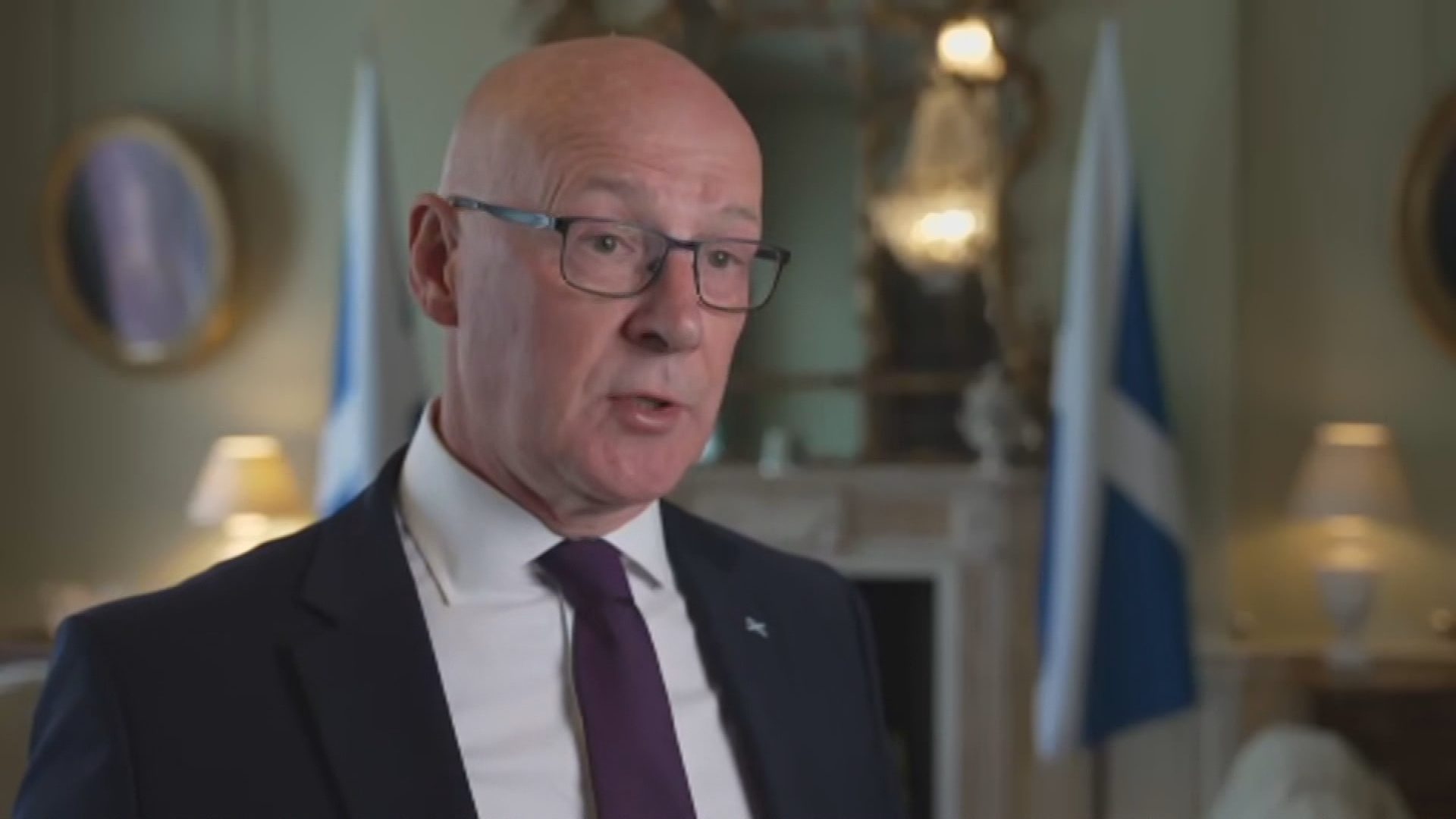
Andy Burnham will become prime minister on Monday after meeting King Charles III, but the person he would most want to share it with does not know. His father, who has Alzheimer's, is unaware his son is about to take the top job, Burnham has said, speaking of his 'sadness' at the situation.
Burnham, officially declared Labour leader on Friday after securing the backing of 379 MPs as the only candidate, replaces Sir Keir Starmer after months of missteps and scandals under the outgoing premier. Deputy leader Lucy Powell told the BBC's Sunday with Laura Kuenssberg that Burnham's leadership would be a moment for 'clearing the decks' from distractions, and that he would stick to Labour's 2024 manifesto but be 'bolder and more ambitious'.
“Andy Burnham becomes PM Monday as father's Alzheimer's leaves him unaware of son's rise.”
Conservative leader Kemi Badenoch has dismissed Burnham as a 'people pleaser', arguing the job requires someone who can 'take tough decisions' and 'face down Labour MPs'. She said his plans were 'airy-fairy stuff'.
In one of his first acts as leader, Burnham announced he would scrap the digital ID scheme introduced by Starmer, calling it a 'small example of reprioritising'. Powell said it would have cost a 'not insignificant amount of money' and diverted attention from priorities.
The incoming prime minister has also signalled a shift on energy. The BBC has been told his government will announce plans for new oil and gas drilling in the North Sea, a move applauded by US President Donald Trump, who wrote that tapping the resources would make the UK 'one of the Richest Countries anywhere in the World'. Powell said Burnham would be 'pragmatic', adding it was 'more a change of emphasis' than a policy shift. The Guardian reports that the plans may involve 'tiebacks' – new drilling connected to existing approved facilities – which could anger climate campaigners and some backbenchers.
Meanwhile, Burnham is considering radical proposals to cut household energy bills by £130 a year, drawn up by thinktank Nesta and reported to be under consideration. The plans would remove policy levies from bills, shift costs to general taxation, and reduce standing charges, making electric heat pumps cheaper than gas boilers. Andrew Sissons, director of Nesta's sustainable future project, said the reform could deliver 'around £130 a year in immediate financial relief for the majority of UK households, while making clean heating the cheapest option on the market.' Nesta also calls for wiping out £2.7bn of electricity bill debts, which would cut bills further for two million households.
Burnham has also pledged greater public control of utilities, expected to begin with Thames Water, which the Sunday Times reports will be put into a special form of administration until a buyer is found. On transport, he has said he will be guided by his transformation of Greater Manchester's bus network, which brought it back under public control.
On immigration, Burnham backed Shabana Mahmood's controversial changes, voting for the government's asylum changes in the Commons before his official leadership.
But he faces pressure from within his own party. Alex Sobel, Labour MP and chair of the All-Party Parliamentary Group for Fair Election, brought an amendment in May calling for a national commission on electoral reform, which was supported by 96 Labour MPs – more than a quarter of the parliamentary party. Burnham has long been committed to proportional representation, restating during the Makerfield by-election that 'I am committed to proportional representation.' The question is how quickly he will move to introduce it.
Burnham has studied the rise of Donald Trump and Nigel Farage, writing in his 2024 book 'Head North' that Labour must 'take the fight to the radical Right on the very turf that they claim to hold.' Luke Tryl of the thinktank More in Common said Trump is 'very unpopular in Britain' but that even critics say 'at least he does what he says he'll do' – something Burnham can learn from. With Reform UK leading opinion polls nationally for over a year, Burnham's ability to deliver on his promises may determine whether he can turn Britain away from nationalist populism.