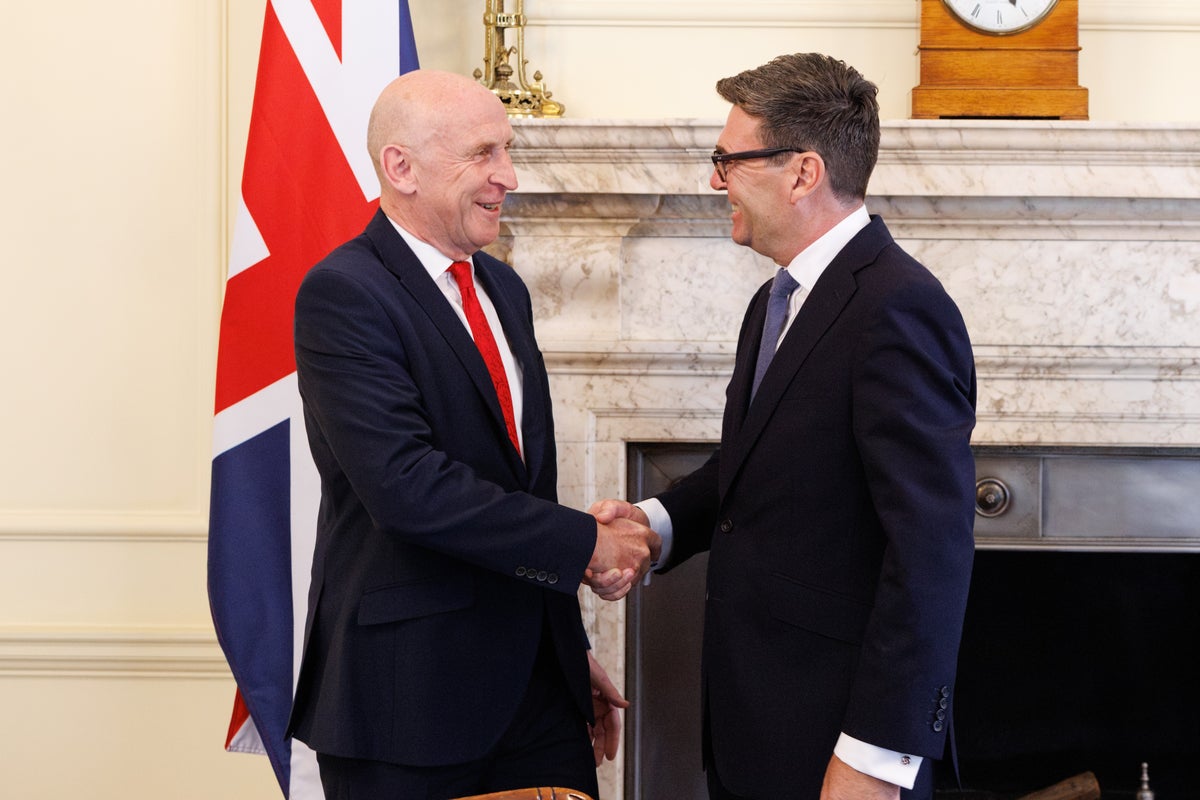
Andy Burnham, the new prime minister who promised a “circuit breaker” for British politics, started his tenure with a brutal purge of Sir Keir Starmer’s loyalists. Nine ministers with close ties to his predecessor were sacked, and shock appointments reshaped the top levels of government. Here’s what happened and what it means for the UK.
Burnham took over as prime minister and immediately set about remaking the cabinet. Among those ousted were David Lammy, Darren Jones, Rachel Reeves and Peter Kyle. In their place came a mix of left-wing allies and surprising choices. John Healey, the former defence secretary who quit Starmer’s government over a defence spending row, was appointed chancellor – a deeply surprising move after weeks of speculation that either Shabana Mahmood or Ed Miliband would get the Treasury. Ed Miliband, previously energy secretary, became foreign secretary. Louise Haigh, who was forced to resign as transport secretary over a decade-old fraud conviction, was brought back as First Secretary of State, Chancellor of the Duchy of Lancaster and minister for the Cabinet Office. Angela Rayner, who left the housing secretary role last September over her tax affairs, returned to the same post.
“Andy Burnham's brutal reshuffle saw Starmer loyalists sacked and John Healey, Ed Miliband, Louise Haigh, Angela Rayner promoted.”
The reshuffle background reveals a deliberate break from the Starmer era. Burnham’s team had been planning his ascent since at least the previous year, with Haigh playing a key role. The purge of Starmer loyalists signals a shift to a more left-wing, Burnhamite vision. The appointment of Healey as chancellor suggests defence spending will be a priority, as Healey had criticised the Treasury for blocking military funding. Miliband’s promotion to the Foreign Office indicates a renewed focus on international aid (a roadmap to return to 0.7% of GDP) and climate goals.
For UK readers, this reshuffle matters because it fundamentally changes who holds the most powerful economic and diplomatic posts. Healey as chancellor means a defence-first approach to spending, which could affect budgets for health, education and welfare. Miliband as foreign secretary may push the UK back towards a more interventionist, climate-focused foreign policy. The return of Haigh and Rayner, both previously forced out under Starmer, shows Burnham is willing to rehabilitate figures from the past. The reshuffle also took more than four hours, with delays sparking rumours of discontent, and included a phone call with Donald Trump, suggesting foreign policy will be closely watched.
Key questions answered:
Q: Why did Andy Burnham sack so many Starmer loyalists? Burnham campaigned as a “circuit breaker” from the previous government. Sacking ministers with close ties to Keir Starmer was a clear signal that he would chart his own, more left-wing course, and reward allies who had helped plan his rise.
Q: What does John Healey as chancellor mean for the economy? Healey, a former defence secretary who quit over defence funding, will likely prioritise military spending. His appointment suggests the Treasury will be more accommodating to defence requests, potentially at the expense of other departments.
Q: Who are the big winners and losers in Burnham’s cabinet? John Healey (chancellor), Ed Miliband (foreign secretary) and Louise Haigh (First Secretary of State) are the main winners. The clear losers are the sacked Starmer loyalists: David Lammy, Darren Jones, Rachel Reeves, Peter Kyle and others.
What happens next: Burnham's full cabinet is still being formed, with further appointments expected. The new government will face immediate questions on the economy, foreign policy and defence. The impact of the reshuffle on the Labour Party’s internal dynamics and on the next general election will become clearer in the coming weeks.