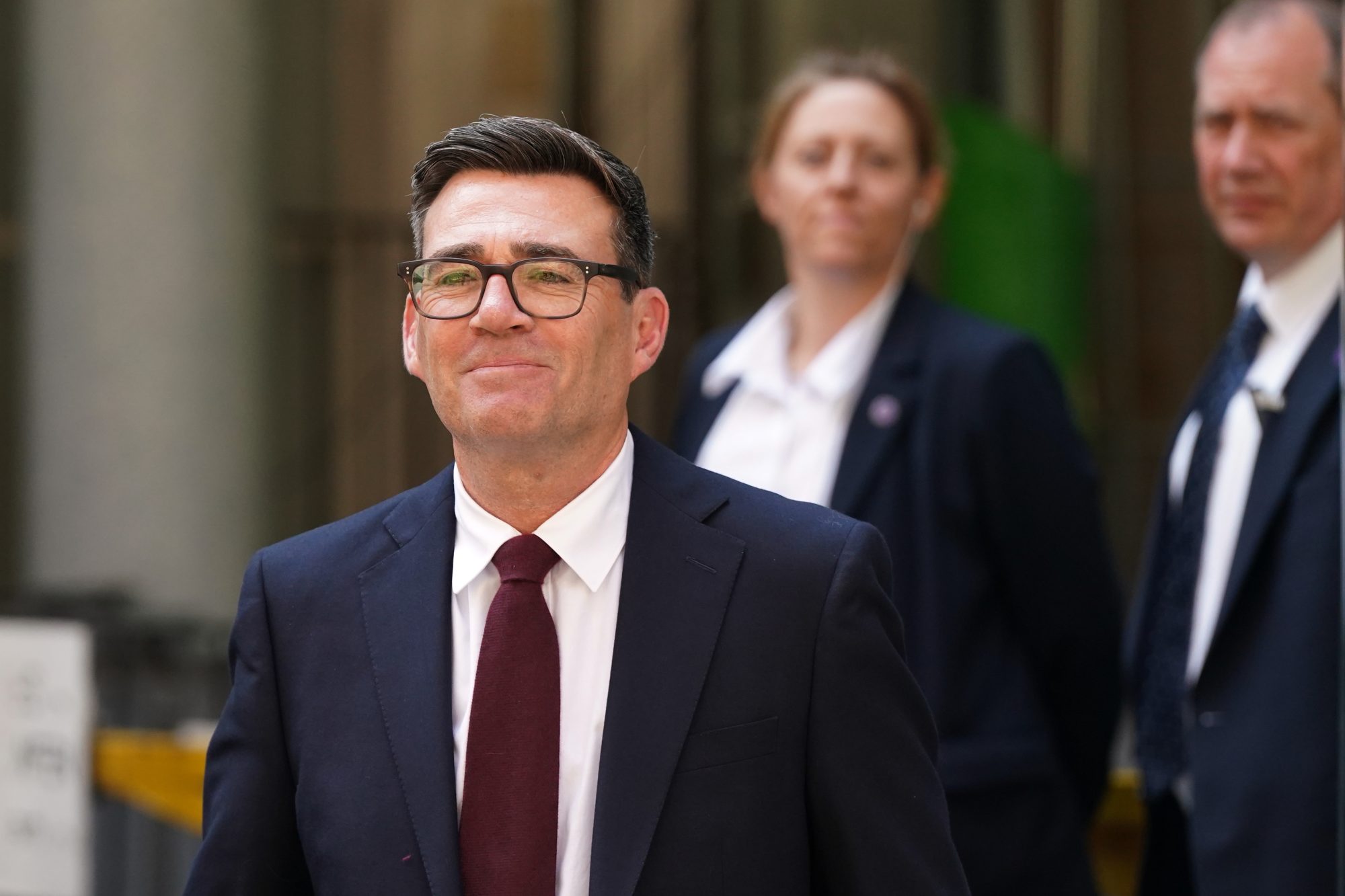
Andy Burnham will walk into Downing Street on Monday as the next prime minister, but the question of who will be his neighbour in Number 11 remains unresolved — and is already stirring market nerves, party infighting and policy battles that will define his first days in office.
Officially, Burnham’s team says no decision on chancellor has been taken and cabinet announcements will not be made until Monday. But speculation has centred on the home secretary, Shabana Mahmood, who the BBC reports is in “live discussions” about the role. The Financial Times, citing three sources close to Burnham, has reported the move as a certainty.
“Andy Burnham enters No 10 Monday with chancellor undecided, facing market pressure, left-wing backlash, and demands on jobs and North Sea oil.”
Mahmood does not have an economics background, but as a senior minister on Labour’s right she is seen as someone who could reassure financial markets. Kathleen Brooks, research director at XTB, said the pound had already rallied about 1% against the US dollar this week on the reports. “It tells us two things about Andy Burnham’s government: firstly, the market trusts Mahmood to take a sensible approach to economic policy, and to tackle the hard questions of welfare spending; secondly, Burnham is willing to have those to the right of the Labour party in his cabinet in key economic roles,” Brooks said.
Yet according to the Press Association, Mahmood is keen to remain as home secretary and see through changes she has brought to the asylum system. Meanwhile, the left of the party is unhappy, with The Times reporting that they would much prefer Ed Miliband in the role. Miliband, a former Labour leader and current energy secretary, was the bookmakers’ strong favourite for chancellor in late June and is politically closer to Burnham than other rivals. But analysts warn he is seen as an inflation risk, partly because of his drive for net zero as energy secretary, which some blame for the UK’s high energy prices.
Whoever takes the Treasury will inherit a daunting in-tray: high debt, low growth, welfare reform, defence spending, and the economic fallout from the US-Israel war with Iran. And Burnham is already facing pressure from his own MPs to deliver on a key campaign pledge. Labour MPs are demanding that he set a target of creating one million jobs in production over the next decade as part of a reindustrialisation strategy.
Adding to the early challenges, reports have emerged that Burnham’s government will allow new oil and gas drilling in the North Sea — a policy championed by Donald Trump, the Conservatives and Reform UK. The Greens have declared it would be a “terrible start” to Burnham’s premiership. Notably, the current energy secretary, Ed Miliband, has previously called drilling a “climate disaster”.
Burnham’s first working week will thus force him to balance market confidence, party unity, green commitments and industrial ambition — all before his cabinet has even been sworn in.