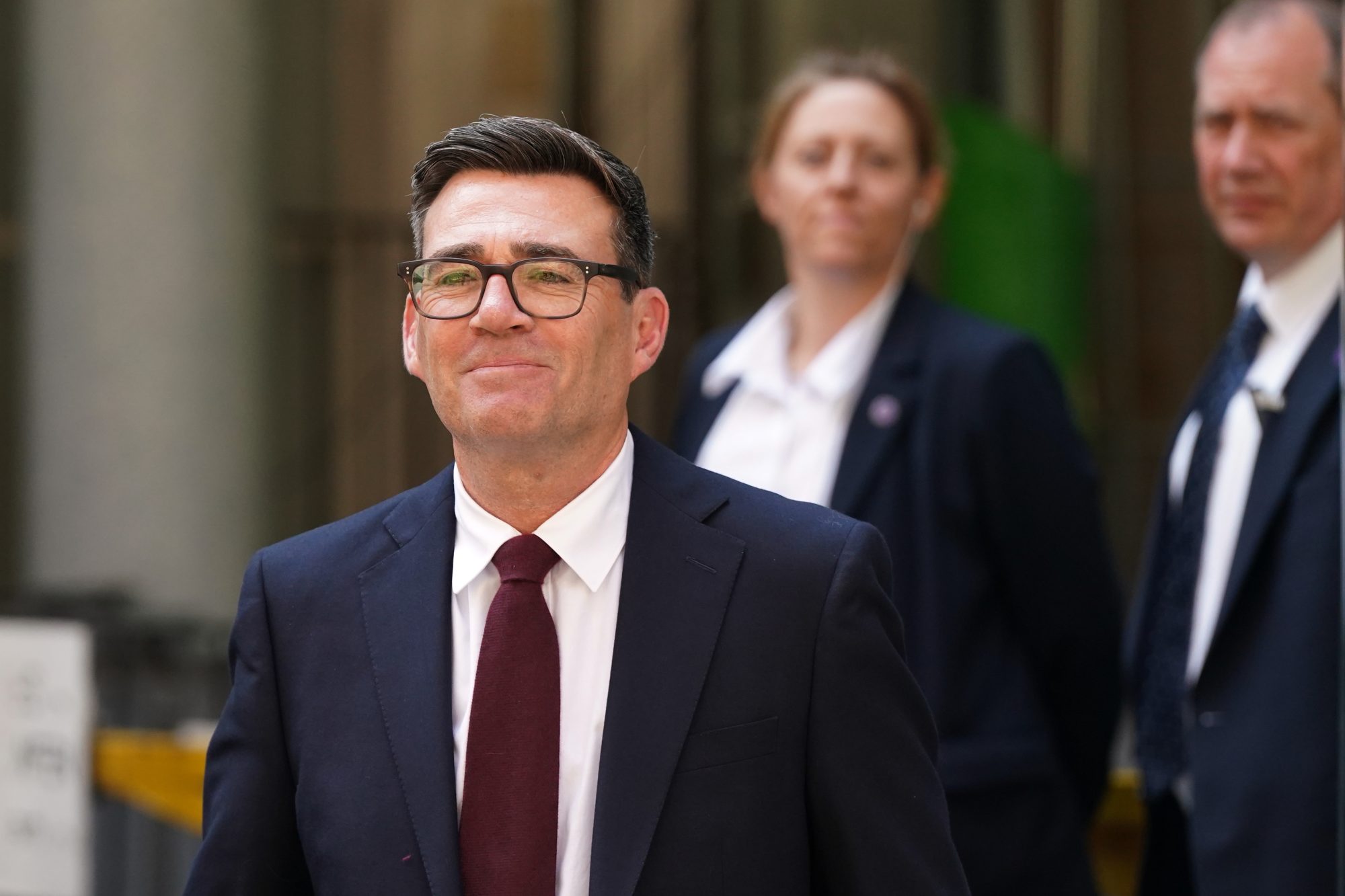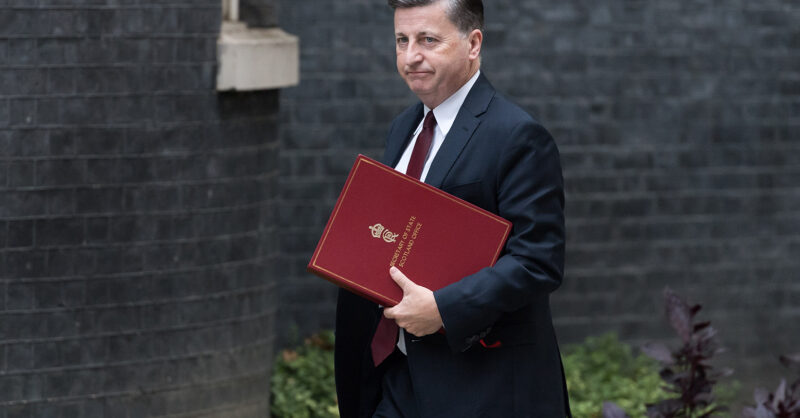
Andy Burnham becomes prime minister on Monday, 20 July, and with the keys to Number 10 comes an immediate test: the make-up of his cabinet. Among the rumours swirling around existing ministers and ambitious backbenchers — who will be chancellor, what will happen to Ed, Yvette or Shabana — one persistent whisper centres on Douglas Alexander’s future as Scottish Secretary. Some suggest Burnham could move him. But the New Statesman argues he should be left in place, despite Alexander’s unpopularity among Scottish colleagues, who accuse him of arrogance and brusqueness and blame him for Scottish Labour’s dreadful Holyrood election performance.
Burnham’s bigger promise, however, is devolution. His big idea — “growth in every corner of the country”, “more money in people’s pockets”, and “people taking back control of what matters to them” — echoes Labour’s 2024 local election campaign, when Keir Starmer promised “full fat devolution” to tackle regional inequality. The narrative is familiar: since the Brexit referendum, “Take Back Control” has become the sword in the stone of British politics, as UnHerd notes. Burnham’s pitch, delivered last month at the People’s History Museum in Manchester, aims to reverse the legacy of Thatcherism. But critics argue the story is as misleading as it is seductive: centralisation was already well advanced by the 1970s, and the 1945 Labour government took the biggest step by nationalising industries. Whether Britain still has the capacity — or the desire — to govern itself locally remains an open question.
“Burnham becomes PM on Monday amid cabinet speculation and scrutiny of his devolution pledges.”