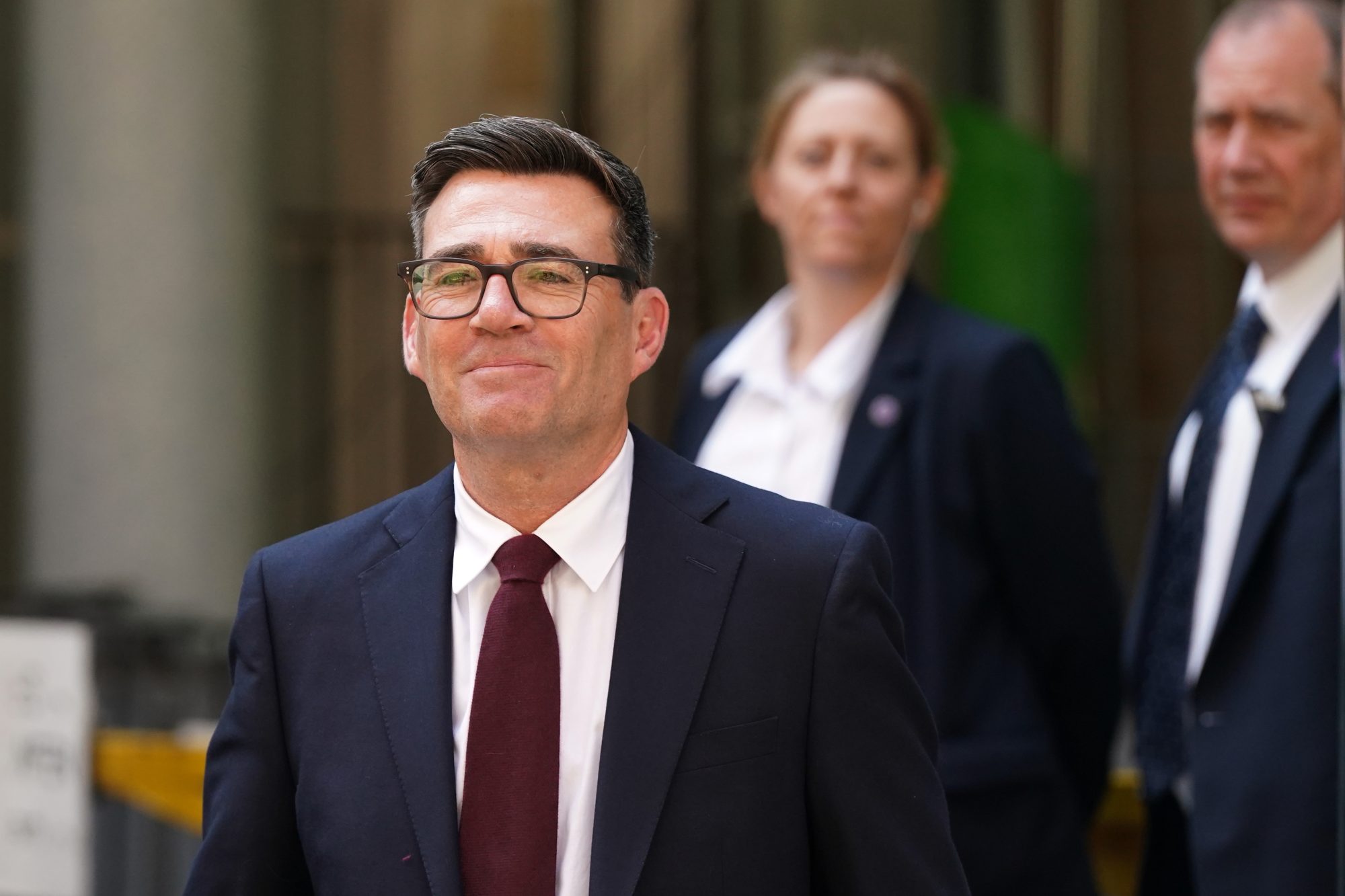
Andy Burnham will abandon plans for a government-issued digital ID for all British adults when he becomes prime minister on Monday, redirecting resources to tackle the cost of living instead.
A spokesperson for the incoming Labour leader said the move was part of a “reset of priorities” and that “one of the first things this government will do is put its focus where people need it right now: creating breathing space and delivering change they can feel in their everyday lives.”
“Burnham will scrap Starmer's digital ID scheme to redirect £1.8bn to cost of living”
The digital ID scheme, first announced by Sir Keir Starmer last September, was initially intended to be mandatory for proving the right to work in the UK by 2029. Starmer argued it would clamp down on illegal immigration and modernise the state. But after nearly three million people signed a parliamentary petition opposing the plan, the government watered it down to voluntary – and now Burnham is scrapping it entirely.
“All the time and resource that was going to be spent on a national ID scheme will go instead to where it’s most needed, such as helping with the cost of living,” the spokesperson said.
The Office for Budget Responsibility estimated the programme would cost £1.8 billion over three years, though Downing Street rejected that figure. The Home Affairs Committee, chaired by Dame Karen Bradley, called the launch “nothing short of a fiasco” which “raised fears of government over-reach into people’s lives.”
Burnham’s first day as PM will also see him announce plans to allow more North Sea oil drilling at the Jackdaw and Rosebank fields, where licences have already been granted. The energy price cap rose 13% to £1,862 a year at the start of this month, and while more domestic supply is not expected to lower bills directly, Burnham’s team is also considering proposals from the thinktank Nesta to cut the average energy bill by £130 a year by shifting green levies into general taxation.
Among other early moves, Ed Miliband is expected to be appointed foreign secretary, with a brief to reform the Foreign Office and restore the UK’s international aid commitment to 0.7% of GDP. Burnham has also signalled a tougher line on Israel over Gaza, saying policy there had “not been good enough.”
The new prime minister inherits a £4.7bn black hole in defence investment plans, and faces immediate pressure to ease the cost of living – with ideas including a rent freeze, a reduced bus fare cap, and removing green levies from energy bills. In his first speech as Labour leader, Burnham vowed to bring “the most significant change moment in our politics for 40 years” and to banish factionalism from the party for good.
“This government is determined to bring power back to communities, instead of hoarding it in Whitehall,” his spokesperson said. “We will work every day to lift this country back up to where it belongs – with growth in every postcode, and hope in every heart.”