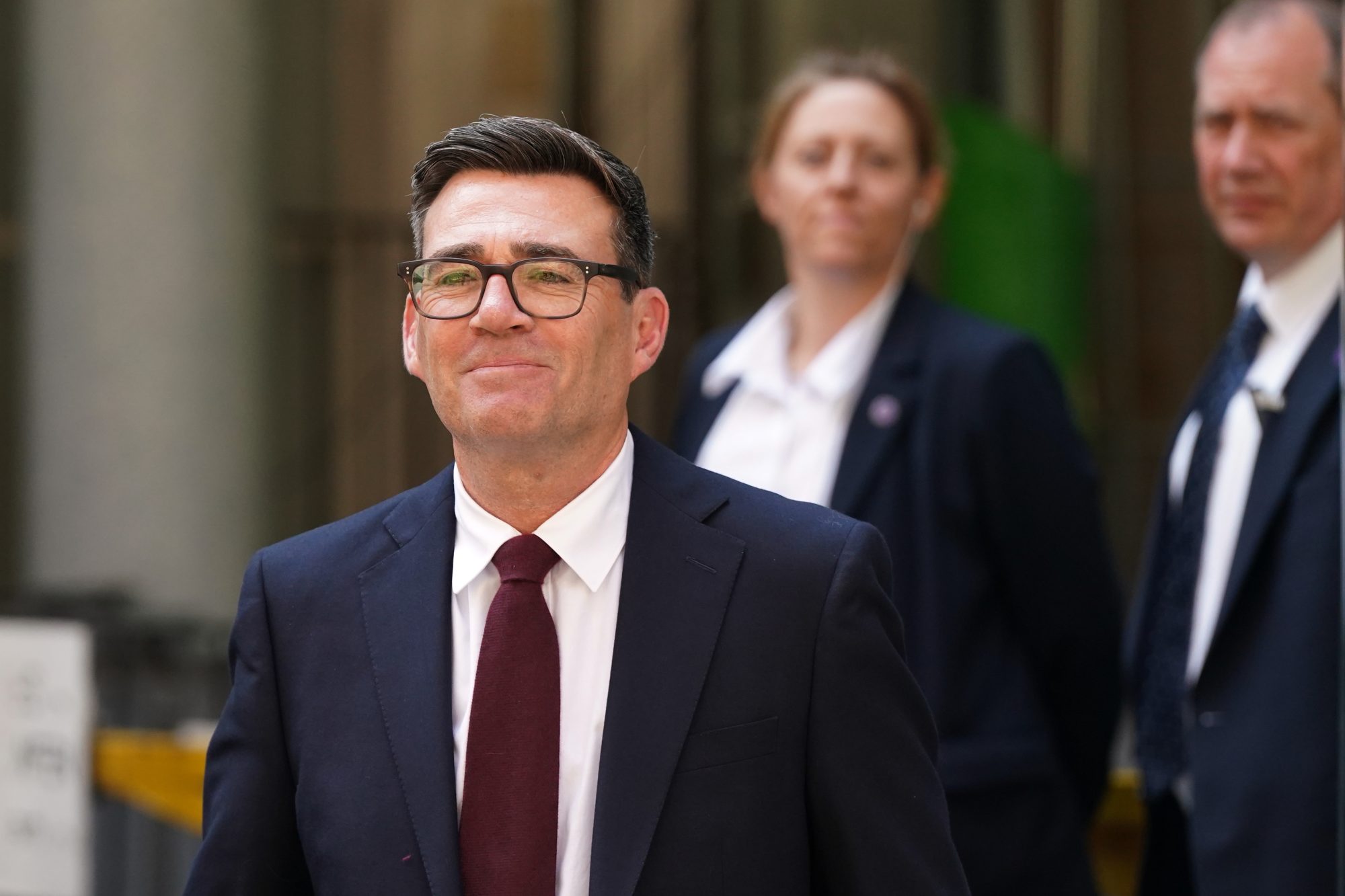
Sue Gray, the former chief of staff to Keir Starmer, is back. This time she is advising Andy Burnham, Starmer’s successor, in an unofficial capacity – and she has dusted off what one Labour official once called her “shit list”. The dossier of immediate fires that Gray first compiled when Labour was preparing for power in 2024 is now being used to guide the incoming prime minister through a thicket of political problems that need solving in his first few weeks.
Burnham, who has signalled he wants to lead a “pro-business” government, is expected to unveil his cabinet this week. According to City A.M., he plans to bring Jonathan Reynolds back as business secretary. Reynolds served in the role until last September before becoming chief whip, and his return would underline Burnham’s pro-business pledge.
“Sue Gray’s ‘shit list’ guides Andy Burnham as he faces six political fires in his first weeks as PM.”
But the new prime minister faces a daunting in-tray. The cost of living remains the most pressing issue. Burnham has said the government needs to be “serious about putting more money back in people’s pockets”, while his policy adviser, Miatta Fahnbulleh, says the prime minister will be focused on “dealing with the cost of living in the short term”. Ideas floating around his team include a year-long rent freeze for the private sector, a reduced cap on bus fares, and removing green levies from energy bills, funding them through tax instead. All this would cost money, and Burnham has given no immediate signal he will tax wealth to pay for it.
Starmer left Burnham with a £4.7bn black hole in defence investment plans. Downing Street and Treasury officials suggest funding it through increased borrowing, given headroom against the government’s debt targets. But that headroom is already being depleted by inflation triggered by the Iran war, and Burnham must also find money for his cost of living measures and the possible de-privatisation of the utilities sector.
On water, the creditors to a stricken water company are trying to negotiate a £10bn rescue package. Emma Reynolds, the environment secretary under Starmer, wrote to regulators spelling out her opposition to such a deal, saying it would represent poor value for taxpayers. Burnham now has to decide whether to go further and ask the high court to put the company into special administration – a potential first step towards public control.
Shortly before recess, the government postponed the next stage of the elections bill to make space to pass the Hillsborough law instead. That move has put several internal pol… no further details available. But the pattern is clear: Gray’s list is as long as ever, and Burnham has barely a moment to breathe.