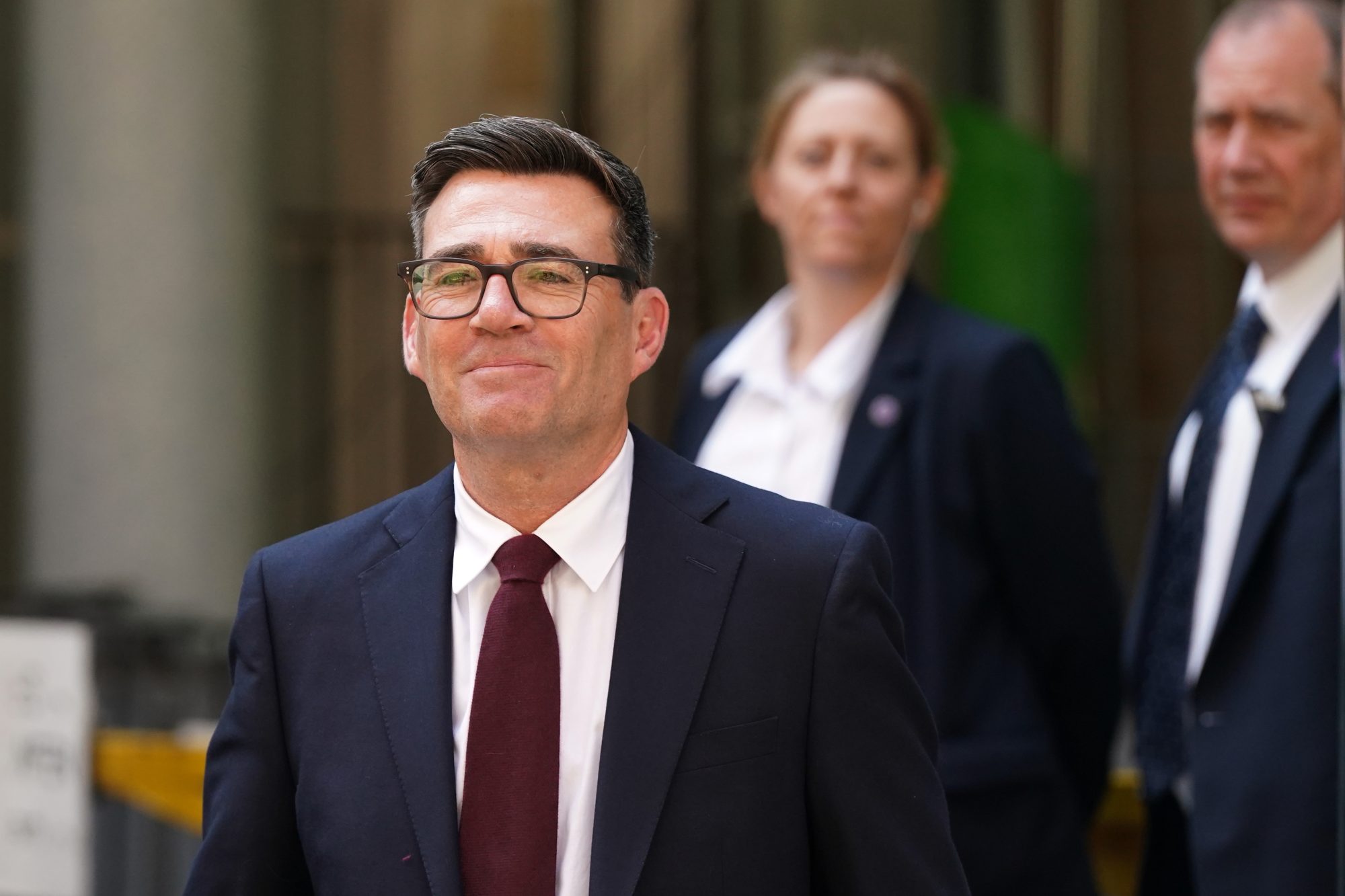
When Andy Burnham enters No 10 Downing Street, he will inherit formidable and complex problems that successive prime ministers have attempted to address – mostly without success. Among them are a rapidly growing disability benefits bill and intense pressure to lift defence spending.
The cost of sickness and disability benefits for working-age people has ballooned since the Covid pandemic. It now stands at around £58bn a year, and is projected to rise to £78bn by 2030. The biggest driver is Personal Independence Payments (Pip), a benefit for disabled people with higher living costs. Pip claims are forecast to climb from 4 million today to 5 million by 2030, with a fast-growing share of younger claimants citing mental health problems or neurodevelopmental disorders such as ADHD.
“Andy Burnham faces £58bn welfare bill and pressure to raise defence spending to 3% of GDP by 2030.”
The previous Conservative government attempted to reform the working-age disability welfare system, but costs kept rising. Last year, Sir Keir Starmer’s government tried to cut the Pip bill by £5bn a year by 2030 through tighter eligibility – but performed a U-turn after a revolt by Labour MPs. A recent interim report by the disability minister, Sir Stephen Timms, co-produced with disability groups, concedes that Pip is “not fit for purpose”. His final report, expected later this year, could propose offering young people with mental health problems therapy or other support rather than cash. But any reforms risk backlash from disability groups and potentially Labour MPs if seen as unfair. Burnham has recently said he does want to reduce the welfare bill, but by encouraging people into work, not through “crude cuts”.
On defence, Starmer finally published the government’s Defence Investment Plan in June, after a delay of almost a year. It set a target of spending 2.7% of GDP by 2030 – but was not fully funded, requiring savings from other Whitehall departments. The plan provoked an outcry, and former defence secretary John Healey resigned over the issue. The pressure on Burnham to lift spending to 3% of GDP by 2030 – which would cost an extra £9bn a year relative to current plans – will continue. Meanwhile, Nato has set a new target of 3.5% by 2035, demanding an additional £24bn a year. How Burnham squares these competing demands – welfare restraint and defence hikes – while keeping his party united remains an open question.