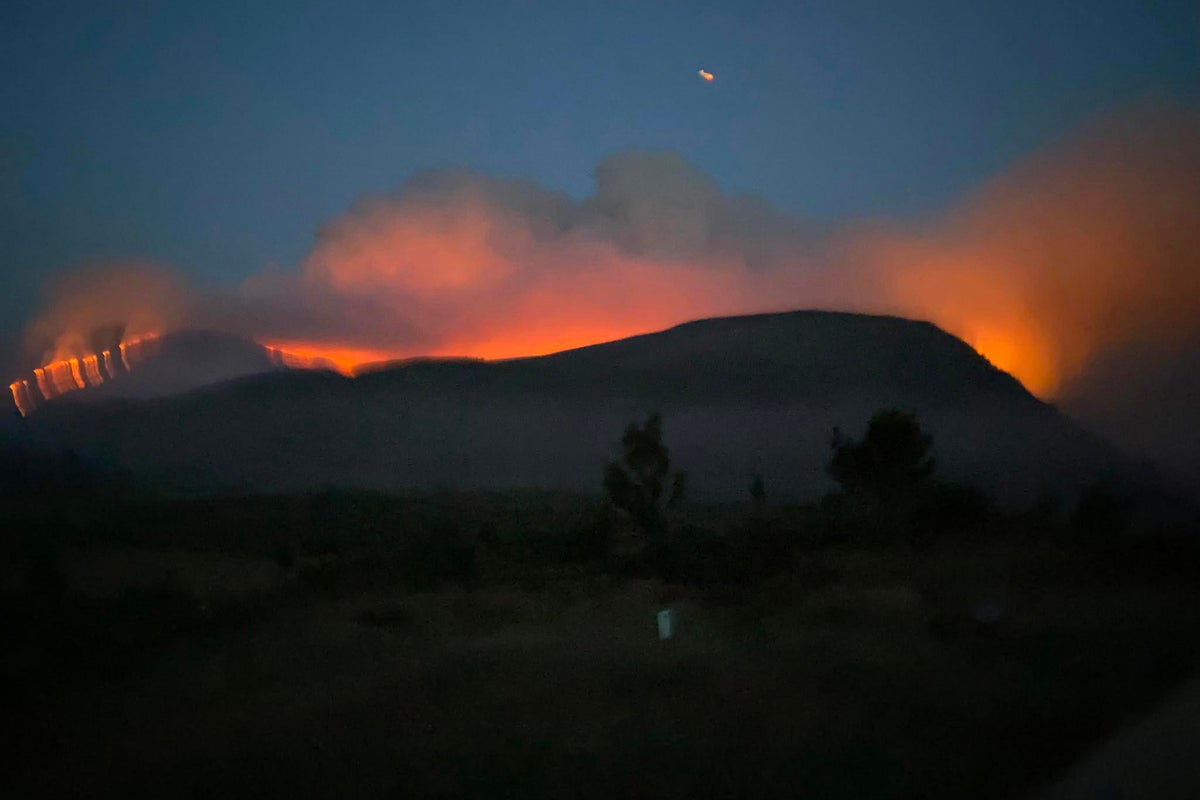
Hundreds of residents have been evacuated from the village of Nethy Bridge as a wildfire in the Cairngorms National Park spreads towards homes, prompting Police Scotland to declare a major incident. More than 500 firefighters have been battling the blaze since it was first reported on July 15, 2026, supported by helicopter water-bombing and specialist wildfire appliances. The fire, which has been fuelled by prolonged dry conditions and strengthened by high winds, is a stark reminder of the increasing risk of wildfires in the UK's upland landscapes.
The Scottish Fire and Rescue Service (SFRS) said the combination of dry weather, strong winds and challenging terrain has created an "extremely complex operational environment". Large areas of the fire ground are inaccessible by vehicle or on foot, making air support essential. The blaze is now spreading towards Nethy Bridge, a small village in the Strathspey area of the park, prompting a precautionary evacuation of all residents to a respite centre at the Macdonald Aviemore Resort. Roads into the village have been closed, and additional police officers are being deployed to help people leave and maintain cordons.
“Explains the Cairngorms wildfire, why it's a major incident, and its significance for UK landscapes and wildfire risk.”
Wildfires in the UK are not new, but their frequency and intensity are increasing. In Scotland, the Cairngorms National Park is particularly vulnerable. The park's heather moorland, peat soils and forestry plantations can burn for days when dry. Prolonged dry spells, like the one that preceded this fire, dry out vegetation and peat, making them highly flammable. High winds then fan the flames, spreading fire quickly across the landscape. The SFRS has been using helicopter water-bombing and specialist tactics to slow the spread, but the terrain makes ground access extremely difficult. The fire has now been burning for nine days, with no sign of being contained.
For UK readers, this wildfire matters for several reasons. First, the Cairngorms is a treasured national park, home to rare wildlife and a major tourist destination. The fire threatens not only homes and businesses but also precious habitats, including ancient pine forests and peatlands that store carbon. Second, the cost of fighting such fires is substantial—more than 500 firefighters have been deployed, alongside aircraft and all-terrain vehicles. Third, wildfires like this are a sign of a changing climate. Warmer, drier springs and summers increase the risk of fires across the UK, from moorlands in northern England to heathlands in the south. Understanding how these fires start and spread can help communities prepare and reduce risks.
Q: Why is this wildfire so serious? The fire has been burning for over a week, spreading over a large area of rugged terrain that is hard to reach on foot or by vehicle. Strong winds have made it unpredictable, forcing the evacuation of an entire village. The declaration of a major incident allows for extra resources and coordination between emergency services.
Q: How do wildfires start in the UK? Most UK wildfires are started by human activity—campfires, discarded cigarettes, barbecue ashes, or even sparks from machinery. Lightning is rare. Once a fire starts, dry conditions and wind can cause it to spread rapidly across vegetation like dry grass, heather and peat. The current blaze in the Cairngorms follows a period of prolonged dry weather.
Q: What should I do if I see a wildfire? Dial 999 immediately and ask for the fire service. Do not try to tackle it yourself. Note the exact location, size and direction of the fire. If you are in a vehicle, park away from dry grass. If you are walking, move quickly to a safe area away from the fire, ideally downhill or into a wet area. Follow instructions from emergency services.
What happens next is uncertain. The fire continues to burn, and weather forecasts will be critical. More high winds could cause further spread, while rain could help firefighters gain control. Police Scotland and the SFRS are working with partner agencies including Forestry and Land Scotland and the Cairngorms National Park Authority to protect people and the natural environment. The evacuation of Nethy Bridge remains in place until the fire is brought under control, and residents are warned to stay away. The incident highlights the growing challenge of wildfire management in the UK and the need for long-term strategies to reduce fire risk in our landscapes.