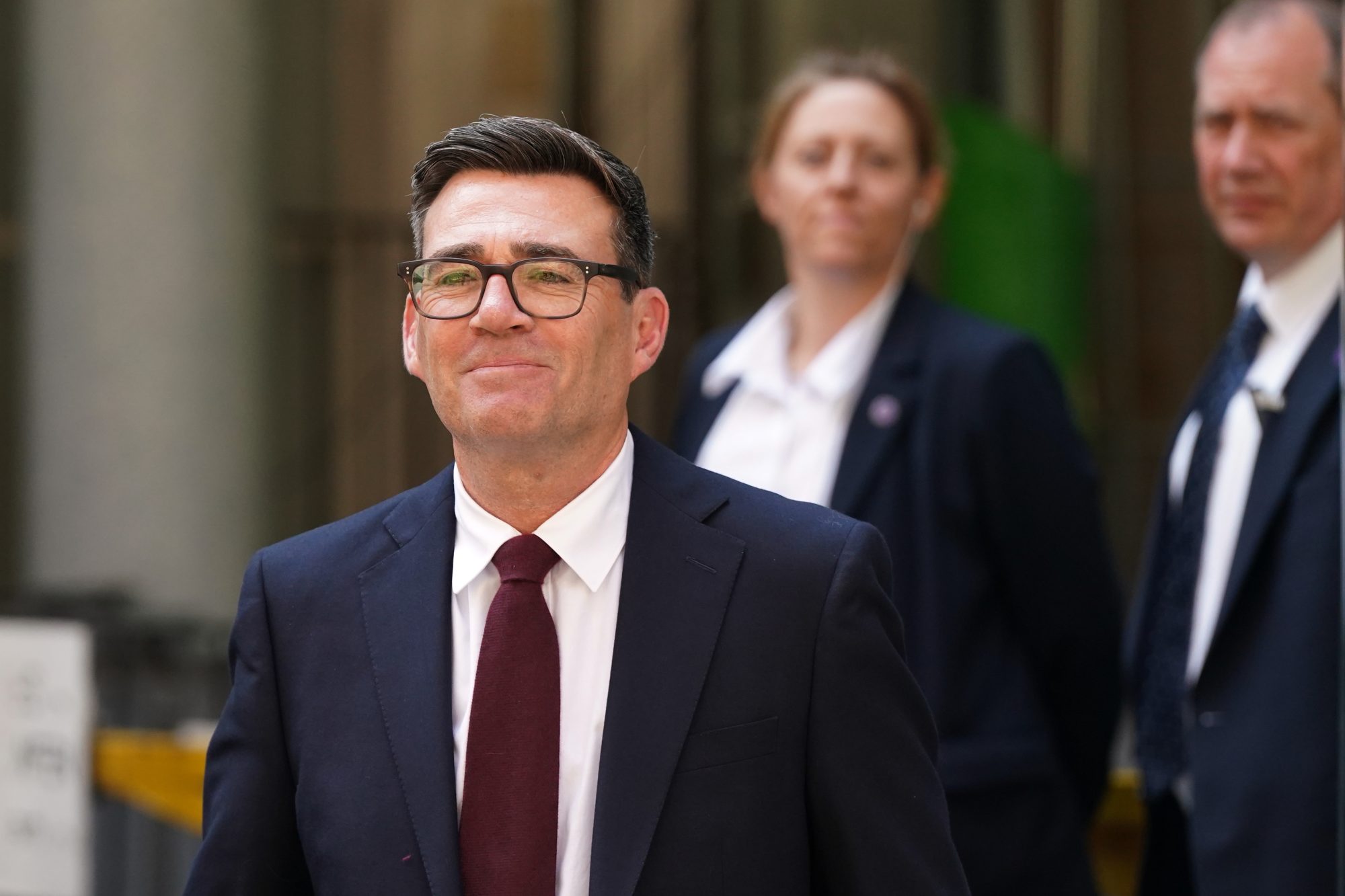
Beijing has launched a blistering attack on the nationalisation of British Steel, accusing the UK of “seriously infringing” on Chinese investors’ rights just days before Andy Burnham is set to become prime minister.
China’s commerce ministry said on Friday that it “firmly opposes and is strongly dissatisfied with the British government’s decision”. The UK took control of the loss-making steelmaker’s Scunthorpe operations on Thursday under legislation passed by Parliament a day earlier, bringing the company into public ownership on national interest grounds.
“China condemns British Steel nationalisation as infringement on Jingye's rights, days before new PM takes office.”
“Disregarding Jingye’s significant contribution to the UK economy and society, the British side forcibly took control of the company in the name of national security,” the ministry said in a statement.
The UK government had argued that nationalisation would protect jobs and safeguard “a vital national capability”, after Jingye Group – the Chinese owner – failed to agree a rescue deal. The company was losing £700,000 a day, according to Jingye, which is now seeking compensation. Small Business Minister Blair McDougall told the House of Commons on Thursday that an independent valuer would be appointed in the autumn “to make a judgment on any compensation that is due, and that could be nil”.
Beijing’s response went further, warning the move “severely undermined the confidence of Chinese companies investing in the UK”. The ministry called on Britain to “faithfully fulfil” its obligations under the China–UK Bilateral Investment Treaty, a legally binding agreement signed in 1986 designed to protect cross-border investments. It said it would monitor developments closely and support Chinese firms to protect their rights, though it did not specify what measures it might take.
The diplomatic clash threatens to strain relations just as Burnham prepares to enter Downing Street on Monday. The incoming prime minister will have to weigh his approach against the economic benefits of ties with the world’s second largest economy.
A UK government spokesperson said on Friday that negotiations had been held with Jingye but “it wasn’t possible to reach an agreement that represented value to the taxpayer”. The spokesperson added: “We highly value our relationship with China and remain open to Chinese investment.”
By taking British Steel into public ownership, the government now has the power and freedom to decide the future of the plant while keeping the blast furnaces running. But the row over compensation – and Beijing’s accusation that national security was used as a pretext – leaves a question mark over the wider investment relationship.
The BBC has been unable to get a response from Jingye to Thursday’s announcement.