A sickening fall by England gymnast Gabriel Langton, who dropped three metres onto his head during the men's team final, has brought new attention to the Commonwealth Games underway in Glasgow. As medical staff rushed to stabilise the 19-year-old, the incident highlighted both the risks elite gymnasts take and the broader questions facing a sporting event that nearly didn't happen.
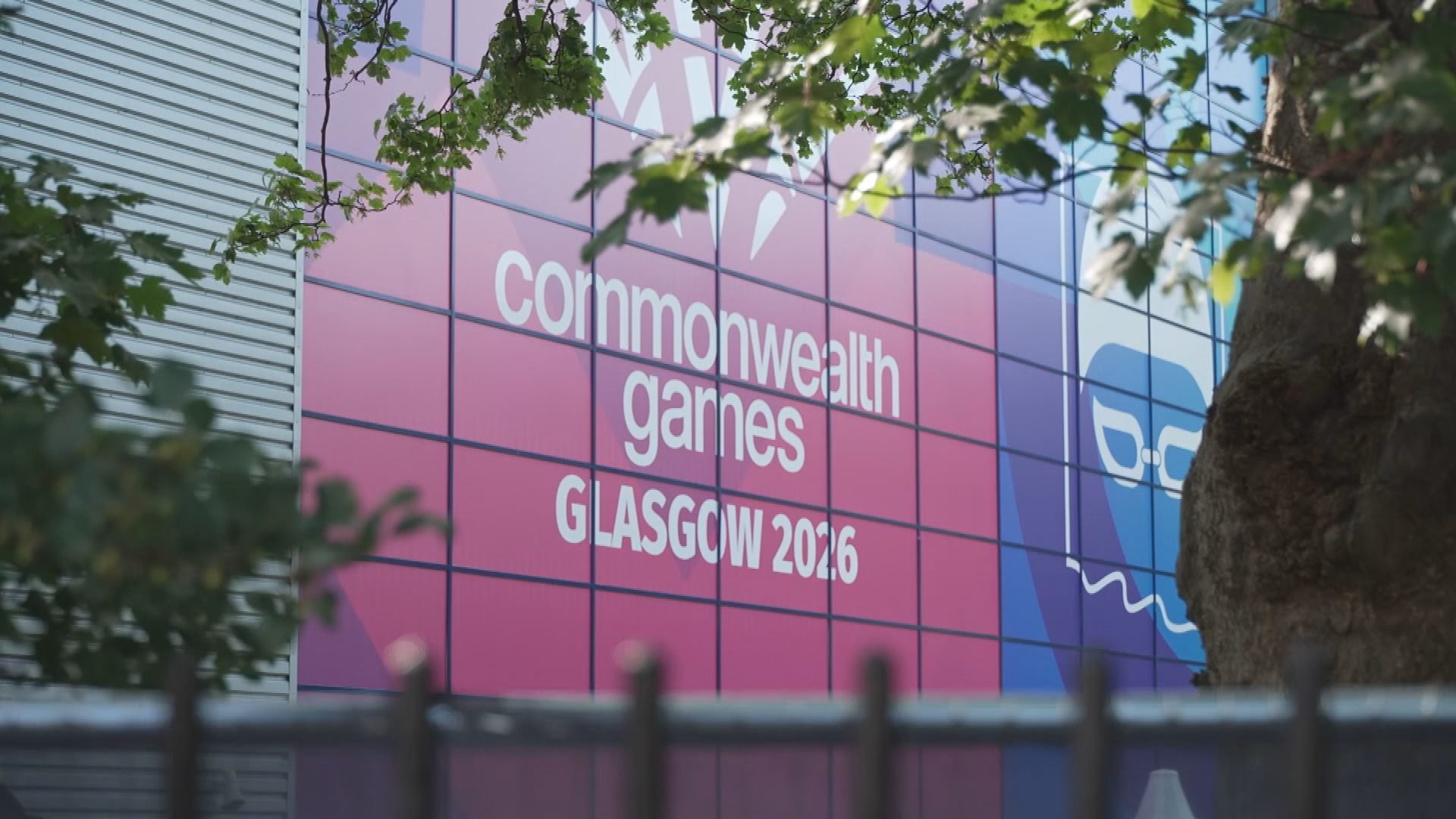
The Commonwealth Games are a multi-sport event held every four years, bringing together athletes from 74 nations and territories, most of which were once part of the British Empire. The 2026 edition, taking place in Glasgow, is a slimmed-down affair with just 10 sports and six para sports, including athletics, gymnastics, cycling and swimming. All events are concentrated in four venues across the city. Glasgow stepped in as host after the Australian state of Victoria withdrew in 2023, citing rising costs. This is the second time the Scottish city has staged the Games in 12 years, following the successful 2014 event.
“Explains the 2026 Commonwealth Games in Glasgow, including the serious gymnastics injury, event history, and UK relevance.”
The origins of the Games date back to 1930, when the first British Empire Games were held in Hamilton, Canada. Over the decades, the event evolved into the modern Commonwealth Games, intended to foster friendship and sporting excellence among member nations. However, the 2026 edition faces doubts about its long-term sustainability. Victoria's withdrawal and the resulting last-minute rescue by Glasgow have prompted questions about whether the Games can continue in their current form.
For UK readers, the Commonwealth Games matter as a showcase for homegrown talent and a source of national pride. Team England claimed silver in the men's gymnastics final, despite the upsetting injury to Langton, who was a late replacement for six-time Olympic medallist Max Whitlock. The first gold of the Games went to England's para powerlifter Mark Swan, who lifted 222kg in the men's lightweight category. Beyond medals, the event draws viewers across the UK, supports local economies in Glasgow, and provides a platform for sports that often receive less attention.
Key questions answered:
Q: Is Gabriel Langton okay after his fall? Langton was conscious and able to move his limbs before being taken to hospital in a neck brace. A Team England spokesperson said he was receiving medical care; teammate Luke Whitehouse later reported hearing he was "doing OK." No official update on his condition has been released.
Q: Why is Glasgow hosting the Commonwealth Games this year? Glasgow stepped in after the Australian state of Victoria withdrew due to the cost of hosting. The Scottish city previously held the Games in 2014, so it had existing venues and infrastructure, allowing for a reduced budget and a 10-sport programme.
Q: How many countries compete, and which sports are included? 74 nations and territories are taking part. The 10 sports are athletics, gymnastics, cycling, swimming, and six others, plus six para sports. All events are held at four venues in Glasgow.
What happens next: The Commonwealth Games continue until the closing ceremony, with medal standings updated daily. The long-term future of the Games remains uncertain after Victoria's withdrawal, but athletes and organisers are focused on the current event. Meanwhile, Langton's recovery will be closely followed, and safety protocols may come under review in light of the accident.

