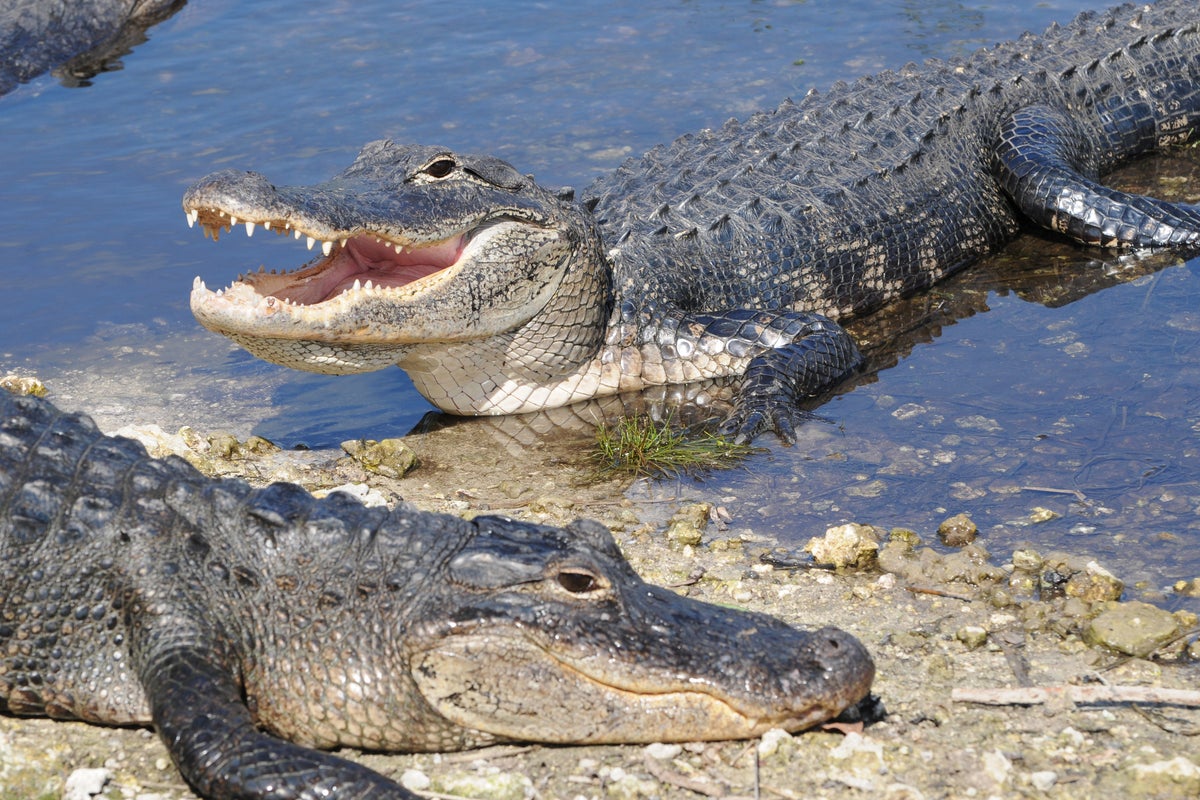
From cobras coiled in suburban cupboards to cheetahs roaming in Cheshire, more than 2,200 dangerous wild animals are being legally kept as 'pets' across Britain, new research reveals.
Wildlife charity Born Free obtained data from local authorities showing that creatures including pit vipers, tigers and crocodiles are housed in private residences under the 50‑year‑old Dangerous Wild Animals Act (DWAA). The charity warns that many more are likely held illegally.
“More than 2,200 dangerous wild animals from tigers to cobras are legally kept as pets in UK, Born Free reveals.”
Among the legally licensed animals are over 500 venomous snakes, nearly 300 primates, 79 crocodiles, alligators and caimans, and 166 wild cats – lions, pumas and tigers. Specific examples include alligators and gila monsters in Angus, cheetahs in Cheshire, and snakes such as green mambas, rattlesnakes and boomslangs scattered across the country. Scotland is home to the most licensed wild cat hybrids, while Carmarthenshire in Wales has the only elephant kept under such a licence, and the world’s deadliest snake – the saw‑scaled viper – is licensed in Greater London.
The numbers have risen since 2023: venomous snakes up from 403 to 512, and dangerous primates from 256 to 293. Born Free also flagged a social‑media‑fuelled craze for small wild cats and hybrids, warning that later‑generation hybrids can fall outside licensing requirements while still retaining significant wild traits.
Actress Dame Joanna Lumley, Born Free’s founder patron, called for a change in the law. “Wild animals should never ever be kept as pets, no matter how much we feel we could give them a wonderful home,” she said. “It is shocking that so many are still being legally kept in private hands, propping up a cruel and ghastly trade.”
The charity has released a searchable database at https://www.bornfree.org.uk/dwamap so people can see which dangerous animals are licensed in their area. Some licensed animals are in educational facilities, sanctuaries or conservation projects – such as bison in large woodland enclosures – but Born Free says many individuals are likely keeping dangerous non‑native species in private homes, posing a risk to public safety and causing suffering to the animals.
With the DWAA dating back to 1976, the charity is urging a comprehensive overhaul of what it calls outdated legislation. The real number of dangerous wild animals in British hands – legal and illegal – may be far higher.
