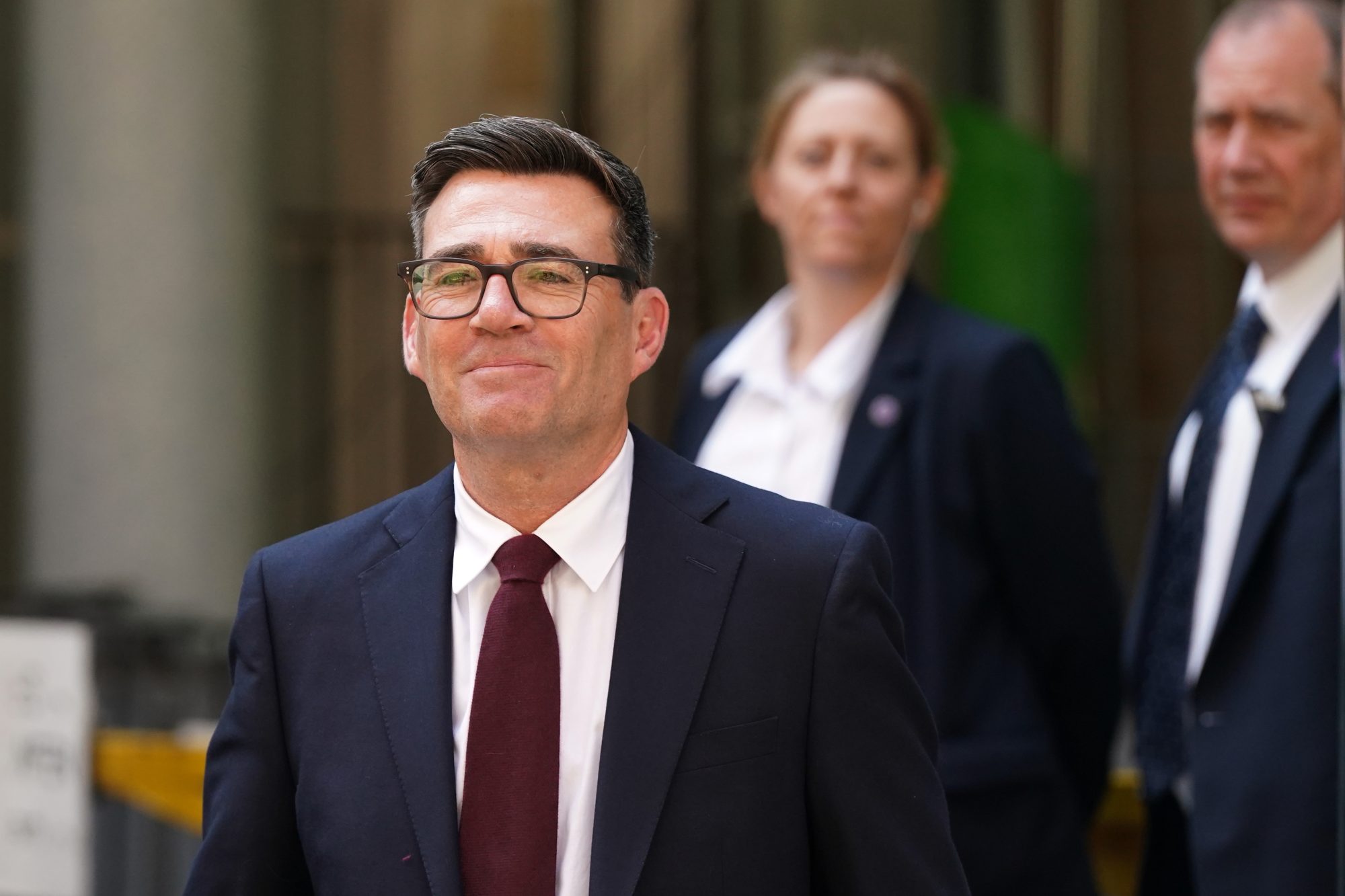
Nearly three million people signed a petition against it, a cross-party committee called its launch a "fiasco", and now the incoming prime minister has scrapped it entirely. Andy Burnham's decision to abandon plans for a government-issued digital ID for all British adults is one of his first major policy pledges, redirecting the resources earmarked for the scheme towards tackling the cost of living.
Digital ID cards were proposed by former Prime Minister Sir Keir Starmer in September 2025 as a mandatory system for proving the right to work in the UK, to be rolled out by 2029. The cards would have shown the holder's residency status, name, date of birth, nationality and photograph. Starmer argued they would make it tougher for immigrants to work illegally, modernise the state, and allow citizens to prove identity quickly for services. But the plan was met with fierce opposition. A parliamentary petition attracted around three million signatures, and a London march against the cards took place in October 2025.
“Why the UK's digital ID card plan was scrapped and what it means for you”
In January 2026, after the backlash, the government watered down the scheme, making it voluntary rather than compulsory. Ministers said digital IDs could eventually allow people to do everything from managing childcare to filing tax returns on a "one stop" app. But in July, the Home Affairs Committee, chaired by Dame Karen Bradley, published a report calling the rollout "nothing short of a fiasco" that "raised fears of government over-reach into people's lives". The committee accused the government of rushing the plans without proper policy work or public support.
Now, with Burnham set to become prime minister on Monday, his team has confirmed the scheme will be dropped completely. His spokesperson said: "One of the first things this government will do is put its focus where people need it right now: creating breathing space and delivering change they can feel in their everyday lives." The resources that would have been spent on a national ID scheme will instead go towards helping with the cost of living. The exact savings are unclear: the Office for Budget Responsibility estimated the programme would cost £1.8 billion over three years, but Downing Street rejected that figure.
For UK readers, this decision means that while right-to-work checks remain mandatory for employers (who can already carry them out digitally), there will be no compulsory national digital ID. The controversy also reflects broader concerns about privacy and government surveillance: polling by Deltapoll found that 61% of people were worried about the government tracking them if they had a digital ID. Burnham's move is part of a wider "reset of priorities" that also includes plans for new North Sea oil and gas drilling, a potential £130 cut in energy bills, and a shift in foreign policy.
Q: What was the digital ID scheme? The scheme would have required all British adults to have a government-issued digital ID card, showing their name, date of birth, nationality, residency status and photograph. It was initially proposed as mandatory for proving the right to work, but was later made voluntary before being scrapped.
Q: Why was the digital ID scheme so controversial? Critics argued it was an unnecessary intrusion into people's lives, raising fears of government surveillance and data misuse. A petition against it gathered nearly three million signatures, and a cross-party committee called its introduction a "fiasco". Polling showed a majority of the public were worried about being tracked.
Q: What happens now that the scheme has been scrapped? The resources that would have been spent on the scheme will be redirected to helping with the cost of living, according to Andy Burnham's team. Right-to-work checks remain mandatory for employers, but they can be done digitally using existing systems. There will be no compulsory national digital ID.
What happens next: Burnham will be appointed prime minister on Monday, when he is expected to make his first speech outlining his priorities. His team has said the decision to scrap digital ID is an early demonstration of a shift in focus towards everyday living costs. The new government will also have to decide how to fund other pledges, such as potential energy bill cuts and increased North Sea drilling, while dealing with a £4.7 billion black hole in defence spending left by Starmer.