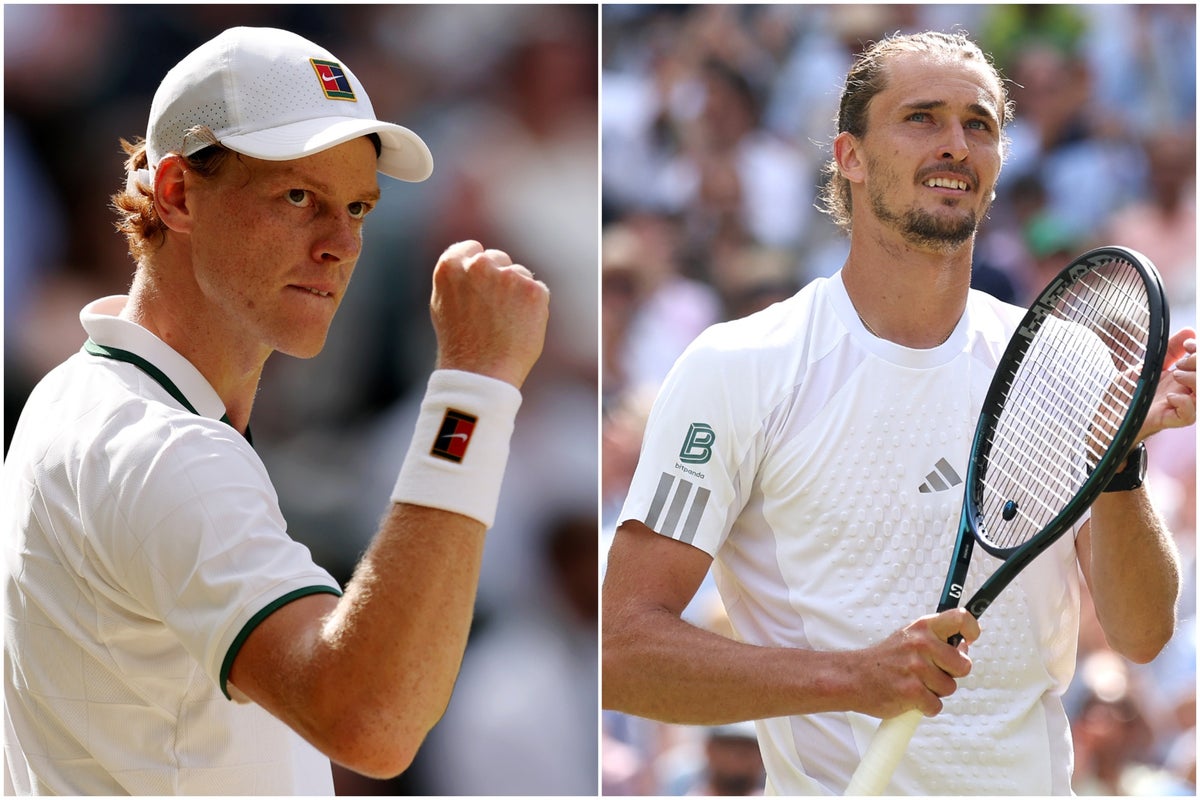
Thomas Tuchel stood in front of the cameras after England's World Cup quarter-final win over Norway and said his players 'got lucky'. It was a stark verdict from a manager whose team had just scraped into the semi-finals thanks to two goals from Jude Bellingham, the tournament's standout performer. The public disagreement that followed between Tuchel and his star player has laid bare a growing tension between the head coach's demand for better performances and the squad's reliance on individual brilliance.
The 2026 World Cup has been a rollercoaster for England. After a promising 4-2 win over Croatia in their opening group game, they struggled to impress: a draw with Ghana, narrow wins over Panama and DR Congo, and a 3-2 victory against Mexico with ten men. The quarter-final against Norway followed the same pattern. Norway took the lead, missed a chance to make it 2-0, had a goal disallowed, and hit the bar. England equalised through Bellingham in the first half of extra time, then he struck again in the 93rd minute to win 2-1. Tuchel was furious with the performance, saying the team were 'sloppy' and made 'a lot of technical mistakes'. 'We got lucky,' he told reporters. 'The result is fantastic... but not happy with the performance - in every sense.' He praised the team's 'pure mentality' but made clear he expects much more.
“Explains the tension between Thomas Tuchel and Jude Bellingham during England's 2026 World Cup run, and the upcoming semi-final against Argentina.”
Jude Bellingham, who has won the Man of the Match award in four of England's six games, pushed back. When asked about Tuchel's comments, he replied: 'Yeah well, whatever. It's difficult out there, it's a tough shift. All the players have put in a tough shift. My thoughts and appreciation goes to the players out there who put in a great shift.' It was a pointed response from a player who had earlier been the subject of debate over whether he should even be in the squad. The Mirror reported that Bellingham had been 'disrespected by Thomas Tuchel' and had 'proven his doubters wrong' with his performances. The tension highlights a key question for England: can a team that relies so heavily on one player and admits to being 'lucky' compete for the World Cup?
For UK readers, this matters because England now face Argentina in the semi-final - a historic rivalry. England have reached the semi-finals as hosts in 1966, and in 1990 and 2018. But their performances in this tournament have been inconsistent. Former England captain Wayne Rooney backed Tuchel's assessment, saying the team need to improve. The semi-final will be a test of whether character and mentality can overcome tactical and technical flaws. If England advance, they face either the winner of the other semi-final in the final.
Q: Why is Thomas Tuchel unhappy despite England winning? Tuchel believes England are not playing well enough to win the World Cup. He pointed to sloppy passing, technical mistakes, and a lack of speed and repetition. He said the team 'made life very, very difficult for ourselves' and that they were 'lucky' to win.
Q: How has Jude Bellingham performed in the 2026 World Cup? Bellingham has been England's standout player, winning the Man of the Match award in four of six games. He scored twice against Norway to drag England into the semi-finals, and has been described as 'carrying the weight of a nation'.
Q: What is the history between England and Argentina at World Cups? The two nations have a famous rivalry, including Diego Maradona's 'Hand of God' goal in 1986 and David Beckham's red card in 1998. Their last meeting was in the 2002 group stage, a 1-0 win for England.
What happens next? England face Argentina in the World Cup semi-final, with the winner advancing to the final. Tuchel will need to find a way to improve performances while managing the tension with his star player. Bellingham, meanwhile, will be expected to produce another match-winning display. The result will determine whether England can win the World Cup for only the second time, or whether this tournament ends in familiar disappointment.