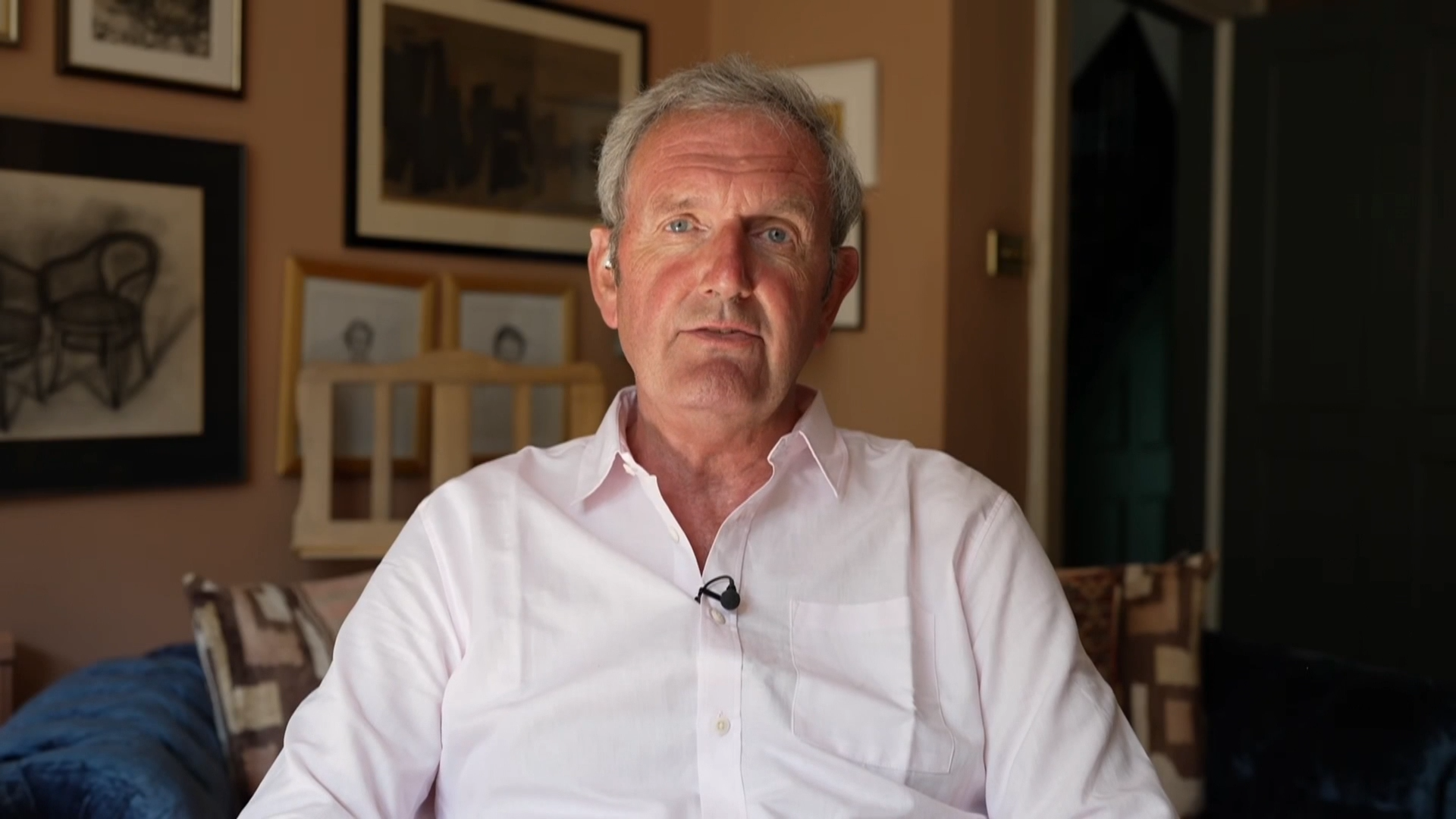
On 7 July 2026, Reform UK leader Nigel Farage announced he was quitting as MP for Clacton, triggering a by-election in his Essex constituency. The move came after weeks of intense scrutiny over his financial arrangements, including a £5m gift from a cryptocurrency billionaire that he failed to declare to Parliament, and further reports of undeclared support from a long-term political ally. Farage insists he has done nothing wrong and has cast the by-election as a "people versus the establishment" contest designed to vindicate him. His main opponents — Labour, the Conservatives, the Liberal Democrats and Restore Britain — have all ruled out standing candidates, meaning the race will be far from conventional.
At its simplest, a by-election is a snap election held to fill a single parliamentary seat that becomes vacant between general elections. In the UK, MPs can trigger a by-election by resigning — as Farage has done — and the new vote must be held between 21 and 27 working days after a formal writ is issued. Senior Reform sources want to start that process as soon as possible, so the by-election is likely to take place in August 2026.
“Nigel Farage resigned as MP, triggering a by-election amid a standards investigation.”
The background to Farage's resignation is a two-pronged investigation into his finances. First, the Parliamentary Standards Commissioner is already probing whether he broke transparency rules by not disclosing a £5m gift from Christopher Harborne, a Thailand-based British cryptocurrency investor, received in April 2024 — before he stood for Parliament. Farage initially said the money was for his personal security but later described it as a reward for the Brexit campaign. Second, the Sunday Times reported that Farage's long-term adviser, George Cottrell, had provided undeclared funding for security and staffing in the year before Farage became an MP, using Reform UK branding on a business card. Cottrell is a convicted criminal who served time in a US jail for wire fraud. Farage argues that none of this support needed to be registered because it was provided in a "purely personal capacity". The standards commissioner has not yet announced whether he will investigate the Cottrell allegations.
For UK readers, this episode shines a light on the rules that govern how MPs must declare gifts, donations and benefits. New MPs are required, within one month of taking their seats, to register any financial interests and any registerable benefits received in the 12 months before their election — including gifts worth more than £300 that could reasonably be thought to relate to their political activities. Failure to do so can lead to a standards investigation, a formal reprimand, suspension from the Commons, and — in the most serious cases — a recall petition that could force a by-election. Farage has pre-empted that process by resigning voluntarily, but the standards investigation into the Harborne gift could resume if he is re-elected.
Q: What is a by-election and how does it work? A by-election is an election held to fill a single parliamentary seat that becomes vacant between general elections. It is triggered by the resignation, death or disqualification of the sitting MP. The new election must take place within 21 to 27 working days after the formal writ is issued. Candidates from any registered party — or independent candidates — can stand.
Q: Why is Nigel Farage facing a standards investigation? The Parliamentary Standards Commissioner is investigating whether Farage broke Commons rules by failing to declare a £5m gift from cryptocurrency billionaire Christopher Harborne, received in April 2024. MPs must register all relevant gifts and benefits within 12 months of an election. Farage says the gift was personal and not related to his political activities, so he did not need to declare it. Separately, reports about undeclared support from adviser George Cottrell have led to calls for an expanded inquiry.
Q: What could happen if the commissioner finds Farage guilty? If the commissioner finds a breach of the rules, the matter goes to the Commons Committee on Standards, which can recommend sanctions — such as a formal apology, a fine or suspension from Parliament. A suspension of 10 sitting days or more would trigger a recall petition; if signed by 10 per cent of registered voters in the constituency, the seat would become vacant and another by-election would be held. Farage’s voluntary resignation has paused that process for now.
What happens next? The immediate priority is the Clacton by-election, which is expected in August. Farage’s main opponents have all said they will not stand, leaving the field open to minor parties and independents — though the Green Party has yet to decide whether to field a candidate. Meanwhile, the standards commissioner’s investigation into the Harborne gift continues but will be suspended while Farage is not an MP. If he wins the by-election and returns to Parliament, the probe could resume, potentially leading to further sanctions and — if he is suspended — yet another by-election further down the line.