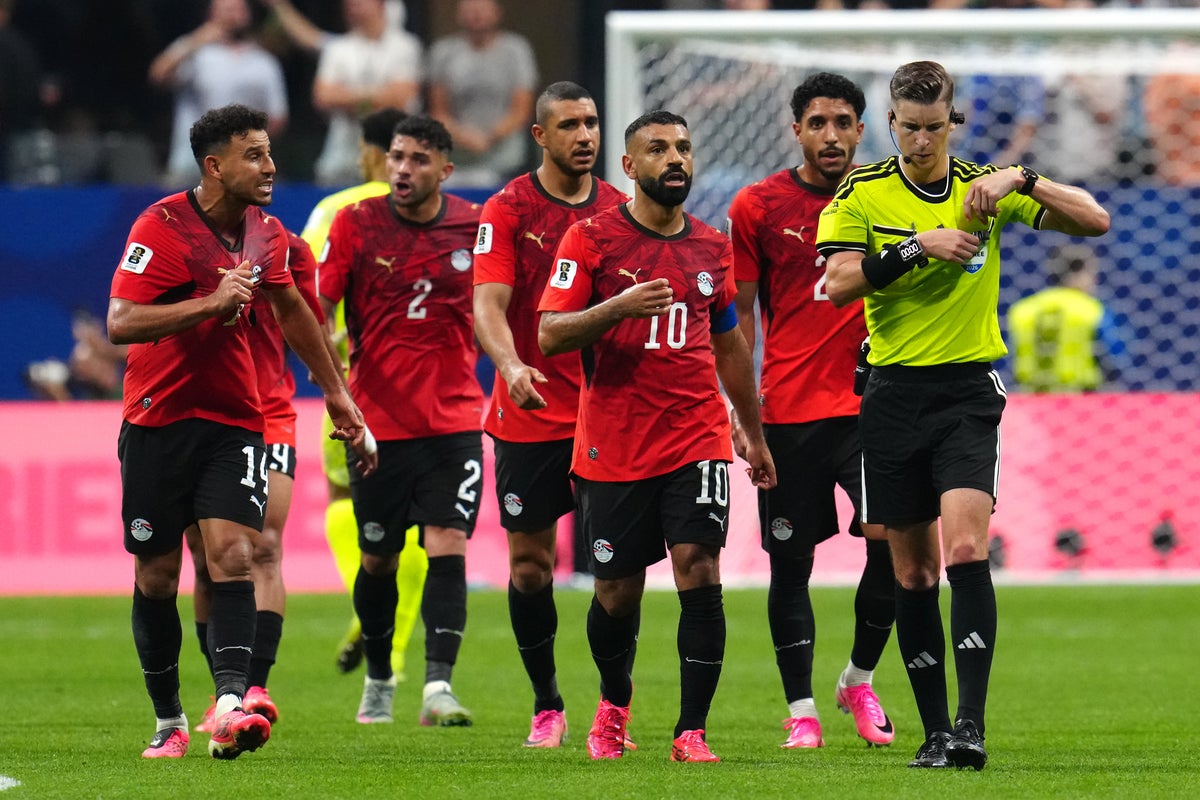
When US President Donald Trump claimed credit for overturning a red card decision during the 2026 World Cup, it raised an uncomfortable question: just how accountable is FIFA, the sport's global governing body? The incident—in which FIFA's disciplinary committee suspended a ban on USA striker Folarin Balogun—prompted claims of political interference, something banned by FIFA's own statutes. Yet it was just the latest in a series of controversies that have made FIFA increasingly unpopular with fans, even if its member federations remain largely loyal.
FIFA, the Fédération Internationale de Football Association, is world football's governing body, overseeing the game's global development and organising major tournaments like the World Cup. It has 211 member nations, each with a single vote in presidential elections. But it also acts as the sport's commercial operator, a dual role that many governance experts have questioned. President Gianni Infantino has been in charge since 2016 and is set to exceed the usual presidential term limit of 12 years, likely unopposed.
“Explains FIFA's governance, controversies and why it matters for UK football fans.”
Several factors have fuelled frustration. FIFA employs a rotation policy for World Cup hosting, meaning each continental confederation should host in turn. But the 2030 tournament was awarded across three continents—Europe, Africa and South America—clearing the way for Saudi Arabia to be awarded the 2034 event unchallenged, much earlier than Asia would otherwise have been due (2042). Meanwhile, FIFA's decision to award Trump its inaugural Peace Prize in December 2025, shortly before Trump started a war with tournament participant Iran, was reportedly a unilateral move by Infantino and eroded trust further.
The World Cup is FIFA's key financial driver, but a recently revamped and expanded Club World Cup has become another major revenue source. That competition has drawn widespread complaints from players and player unions about a congested calendar. Bayern Munich and England striker Harry Kane said last year: "I don't think the players are listened to that much, if I'm totally honest." Fans have also faced sky-high ticket prices and visa refusals for officials, players' families and even a referee during the 2026 tournament.
For UK readers, these issues hit close to home. England's run in the 2026 World Cup—including a dramatic round-of-16 win over Mexico—has stirred national excitement, but the backdrop of FIFA's opaque governance clouds the celebration. The governing body's ability to override its own rules, bypass term limits and ignore player welfare concerns raises questions about the sport's integrity. With the World Cup expanding and the calendar ever more packed, the tension between FIFA's commercial ambitions and the interests of fans, players and smaller nations is unlikely to ease.
Q: Why is FIFA so controversial? FIFA's dual role as regulator and commercial operator creates inherent conflicts of interest. Critics point to a lack of independent oversight, opaque decision-making (e.g., the Balogun red card suspension), and claims of political interference, such as Trump's involvement. The organisation's structure gives each of its 211 member federations equal voting power, often making reform difficult.
Q: How does the World Cup hosting process work? FIFA uses a rotation policy among its six continental confederations, but exceptions are frequent. For 2030, matches were spread across Europe, Africa and South America, which allowed Saudi Arabia to secure the 2034 tournament unopposed—years before Asia was due its turn. Critics say the process lacks transparency and is vulnerable to political influence.
Q: What is the Club World Cup and why is it controversial? Originally a seven-team tournament, the Club World Cup was revamped and expanded by FIFA to become a major revenue driver. Player unions and top footballers argue it contributes to an overcrowded calendar, with Harry Kane saying players are not listened to. The expansion has also led to disputes with domestic leagues and governing bodies.
What happens next? Infantino is likely to seek re-election unopposed when his current term ends, despite calls for term limits. FIFA faces growing pressure from player unions and European leagues over fixture congestion, while the 2026 World Cup's controversies have amplified calls for governance reform. But with member federations financially dependent on FIFA, significant change remains uncertain.