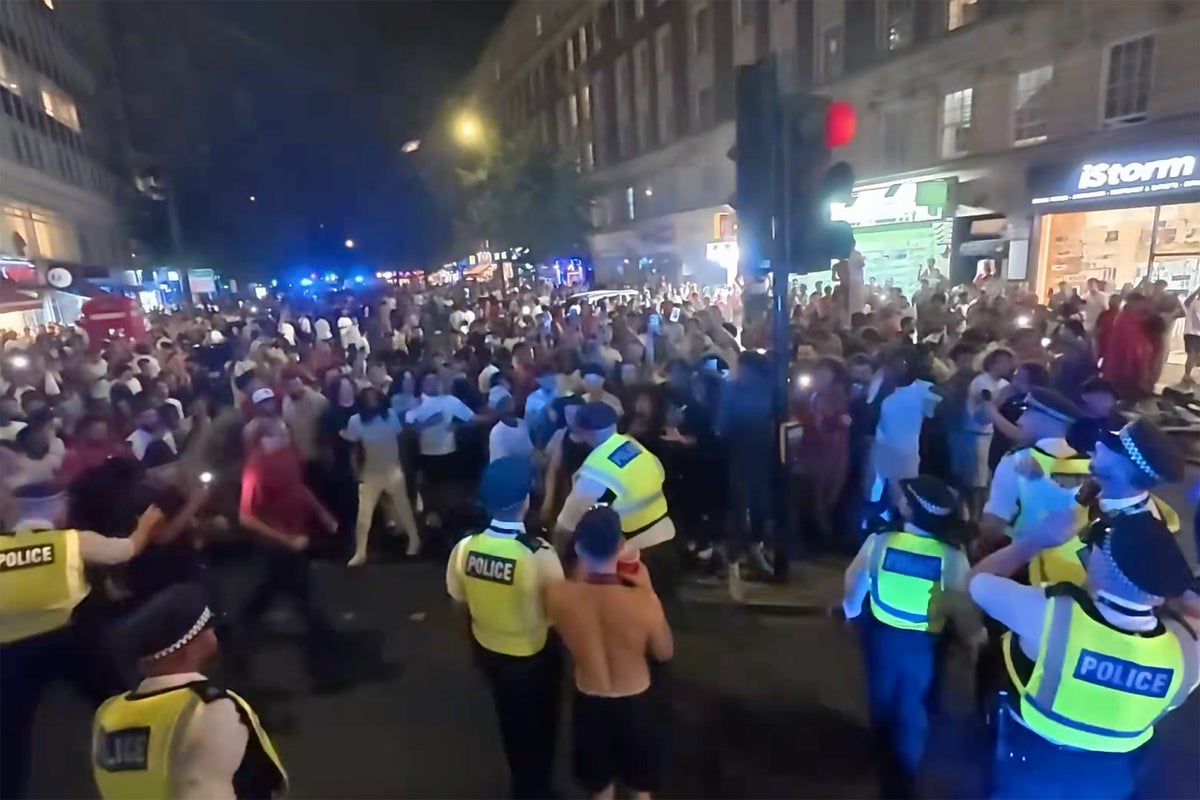
A police officer lies unconscious on Edgware Road, struck by a glass bottle, as fireworks are launched at riot-gear-clad officers and hundreds of fans chant abuse into the night. This was the scene in central London after France beat Morocco 2-0 in a World Cup quarter-final. While the football was celebrated by many, a smaller group turned to violence, resulting in four arrests and one officer hospitalised. But this is not an isolated incident — it's part of a long-standing pattern of public disorder linked to football in the UK.
What happened that night was a sudden escalation. A crowd gathered on Edgware Road — a street known for its North African restaurants and community — initially blocking traffic. Things quickly turned ugly: bottles were thrown, fireworks were set off directly at police lines, and one officer was hit by a glass bottle and knocked unconscious. He was taken to hospital but later released. The Metropolitan Police deployed extra officers in riot gear, and by 1am the road was reopened. Deputy Commissioner Matt Jukes called the disorder “very serious” and said police would circulate footage to identify more suspects. Four people were arrested for violent disorder.
“Why football fan disorder erupts and what it means for UK policing and public safety.”
Football-related disorder in the UK has a long history, from the hooliganism of the 1970s and 80s to more recent outbreaks. The causes are complex: alcohol, tribal loyalties, social tensions, and the emotional highs and lows of knockout matches. In this case, Morocco fans were reacting to a painful defeat against France — a former colonial power in North Africa — adding a layer of geopolitical tension. The Met Police noted that the group initially congregated in the road before escalating, suggesting opportunism as much as premeditation.
For UK readers, this matters for several reasons. First, it strains police resources — officers must be pulled from other duties to control crowds, costing taxpayers. Second, it endangers public safety: fireworks and bottles in a crowded street can injure bystanders. Third, it damages the reputation of London as a safe, welcoming city, especially during a major international tournament. The Met Police promised a “robust” response, reviewing CCTV and social media footage to bring all offenders to justice.
Q: What causes football fan disorder? Disorder often arises from a combination of alcohol, intense emotions from a match result, and group dynamics that encourage aggression. Historical rivalries and national identity can also play a role, especially in tournament settings where fans from different countries gather.
Q: How common is this in the UK? While football-related arrests have fallen significantly since the peak of hooliganism in the 1980s, outbreaks still occur during major tournaments and local derbies. The Home Office recorded around 1,200 football-related arrests in the 2024-25 season, with disorder concentrated in city centres and near stadiums.
Q: What are the legal consequences for those involved? Consequences can include arrest for violent disorder (as in this case), which carries a maximum sentence of five years in prison. Courts also often issue football banning orders, preventing offenders from attending matches for up to 10 years.
What happens next is that the Met Police will review all available footage, including CCTV and videos shared on social media, to identify and arrest more suspects. Deputy Commissioner Jukes confirmed officers would “go after those who haven’t yet been arrested.” Further charges may follow, and the incident will likely be used to reinforce police planning for future tournament matches, especially if England or other home nations advance deep into a competition.