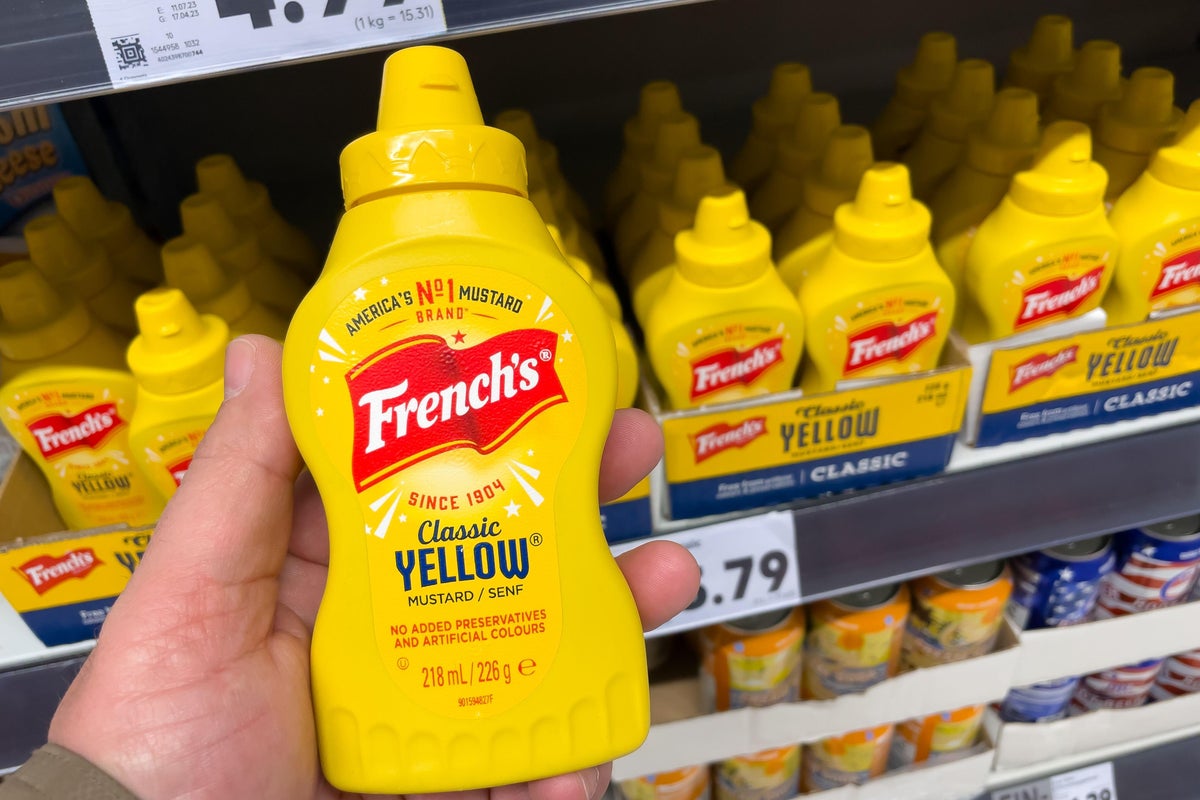
US condiment giant McCormick has announced plans for a secondary share listing in London, following its £33.8bn merger with Unilever’s food business – a rare bright spot for a UK equity market that has seen a dearth of new listings and a wave of takeovers.
The Maryland-based company, whose brands include French’s mustard and Frank’s Red Hot sauce, said it will admit shares on the London Stock Exchange while retaining its main listing in New York. The move is intended to boost capital flows and improve liquidity for shareholders.
“McCormick seeks London listing after £33.8bn Unilever food deal”
“This, in combination with our International Headquarters and commitment to Unilever’s world-leading R&D facilities in the Netherlands and our global headquarters in Hunt Valley, Maryland, reinforces the global nature of the combined operations and positions us for ongoing success,” said Brendan Foley, chairman, president and chief executive of McCormick.
The listing plan follows the March agreement to acquire Unilever’s food arm, which includes Hellmann’s, Marmite and Colman’s. Under the deal, Unilever will receive approximately $15.7bn (£11.9bn) in cash upfront along with equity in McCormick. Unilever and its shareholders will retain a 65% stake in the Unilever Foods business, with Unilever shareholders owning 55.1% and Unilever itself retaining a 9.9% stake.
The combined company expects to secure around $600m (£453.2m) in annual cost savings once the deal completes, which is anticipated around the middle of 2027. McCormick plans to reorganise into four divisions: Americas consumer, international consumer, global food service and global flavour.
The announcement comes days after the UK’s Competition and Markets Authority said it was seeking views on the deal, signalling potential regulatory scrutiny.