On 14 July 2026, the killing of Reform UK spokeswoman and former Conservative minister Ann Widdecombe at her home in Devon sent shockwaves through British politics. Within days, Andy Burnham – the man expected to become prime minister on 20 July – called for a serious review of MP security, warning that politics had “darkened” in the decade he had been away from Westminster. The murder, now being investigated by counter-terrorism police, has reignited a long-running debate about how to protect elected representatives in an increasingly hostile political environment.
At its core, the issue is about the safety of MPs, peers and other politicians as they carry out their public duties. Security arrangements for MPs have evolved significantly over the past decade, but the killing of Widdecombe – a 28-year-old white British man from Rotherham, South Yorkshire, was arrested on suspicion of murder and later re-arrested on suspicion of terrorism offences – shows that the threat remains acute. Under current rules, MPs can request security upgrades through the Parliamentary Security Department, while leaders of opposition parties or former prime ministers may be offered state-funded protection via the Royal and VIP Executive Committee (Ravec) – but the level of security is decided by officials, not ministers.
“Explains the rising threat to UK politicians, security measures, and what happens after the killing of Ann Widdecombe.”
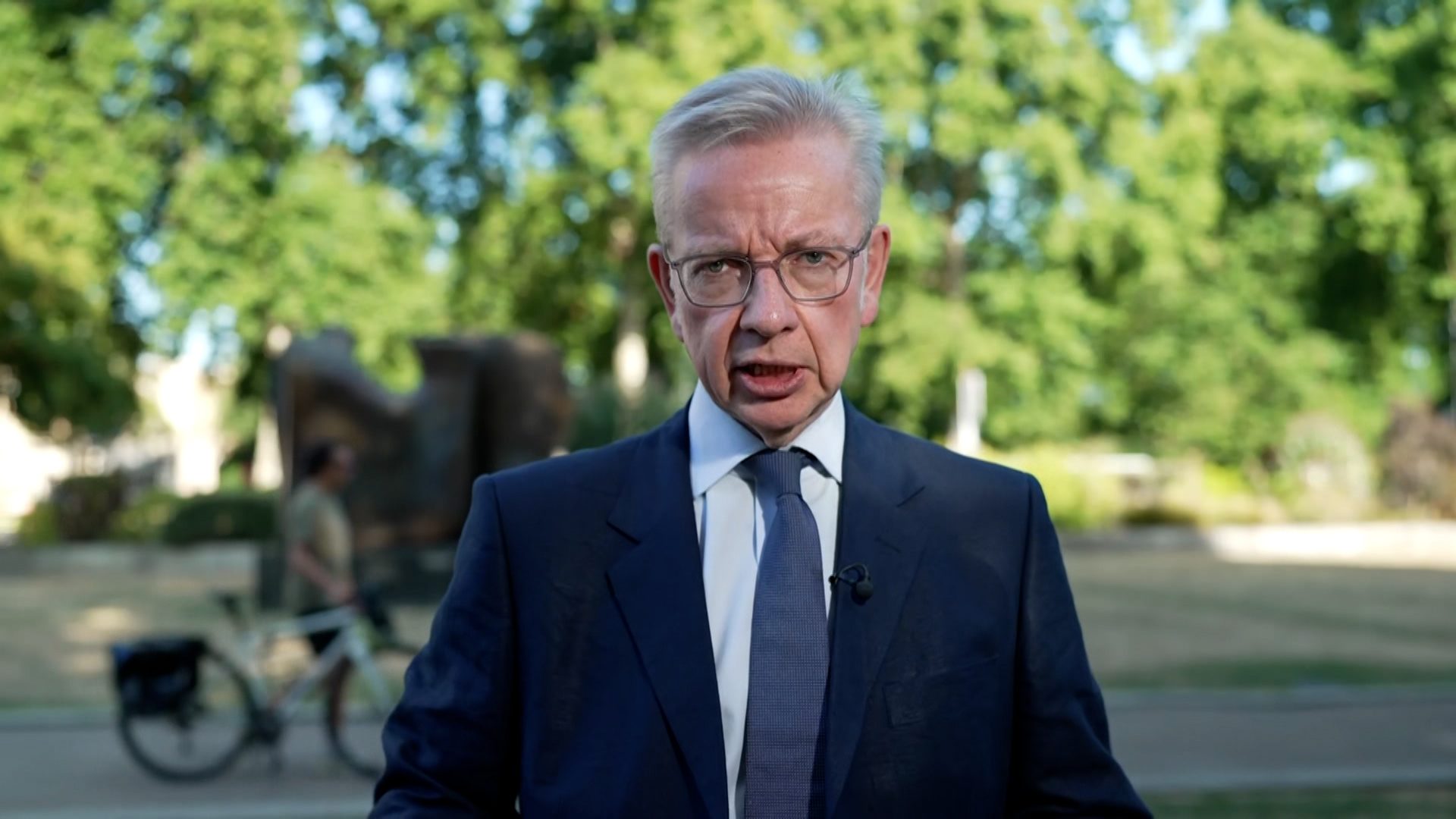
The backdrop to this debate is a steady rise in the intimidation and harassment of politicians. Burnham, who left Westminster in 2017 to become mayor of Greater Manchester, said he was “shocked to see how much security now has to be in place” on his return. He pointed to social media as a factor in “building that kind of toxicity that's around the political debate”. His comments echo a growing cross-party concern: Sir David Amess was murdered in 2021 while holding a constituency surgery, Jo Cox was killed in 2016, and numerous MPs have reported death threats. The Jo Cox Foundation has documented how abuse and threats have become a routine part of political life, especially for women and ethnic minority MPs.
The specific case of Nigel Farage has added fuel to the fire. Reform MP Robert Jenrick accused the government of a “dereliction of duty” over Farage's taxpayer-funded security, claiming it had been “downgraded”. Parliamentary sources say that in July 2024, Farage was offered an enhanced package of two rotating teams of eight security officials. But in September 2025, after a review, the offer was reduced to a car, driver and one close protection officer. Reform rejected that downgraded offer and instead funded Farage's security privately. The Home Office said Jenrick's claims were “categorically untrue” and that ministers are not involved in deciding MPs' security.
For UK readers outside Westminster, this matters because politicians’ safety directly affects how democracy functions. If MPs feel threatened, they may be less willing to hold public surgeries, speak candidly in debates, or stand for re-election. The risk is that the most toxic voices make politics unappealing for decent people, leaving the field open to extremists. There is also a financial cost: the taxpayer ultimately funds security upgrades, which can run into millions. And when a murder like Widdecombe’s occurs, it underscores the human price of a coarsened public discourse.
Q: What security is currently available to MPs? MPs can request personal security measures through the Parliamentary Security Department, such as locks, alarms, panic buttons and, in high-risk cases, close protection officers. For party leaders or former leaders, security is assessed by the Royal and VIP Executive Committee (Ravec) and can include state-funded armed guards and vehicles. All decisions are made by officials based on threat assessments.
Q: Why has the debate about MP security flared up now? The murder of Ann Widdecombe, a high-profile former minister, and the row over Nigel Farage’s security package have pushed the issue to the top of the political agenda. With a new prime minister about to take office, there is pressure to review the system and ensure it is robust enough to protect all MPs – backbenchers as well as leaders.
Q: What do politicians say needs to change? Andy Burnham has called for a “serious review” of MP security, suggesting that current arrangements may need to be increased. Some MPs want the process to be more transparent, with ministers having a greater role in decisions. Others argue that the entire culture of politics needs to change, with social media companies forced to do more to tackle abuse.
What happens next is uncertain. Burnham, once confirmed as Labour leader and prime minister, will have to decide whether to launch the kind of review he has called for. A police investigation into Widdecombe’s death continues, and any terror-related findings could accelerate changes. Meanwhile, the question of how much security to give to politicians – and who decides – is unlikely to go away. As Burnham himself said, “It feels like something has changed.”