At the 2026 Nato summit in Ankara, journalists were showered with Turkish delights and white Angora kittens while 70,000 security personnel kept the streets quiet and protesters were arrested en masse. But beneath the lavish spectacle, a fundamental shift in the alliance’s purpose was being negotiated — one that the Trump administration calls “Nato 3.0”.
The idea, rolled out in February by US Undersecretary of War for Policy Elbridge Colby, is not to abandon Nato but to return it to its foundational Cold War mission: European deterrence and defence. In practice, that means Europeans must pour billions into defence industrial production and technological innovation so they can handle their own conventional — non-nuclear — security. A senior Nato official described a “simultaneity problem”: the US military’s fear of being forced to fight multiple major conflicts at once, which is why Europeans are being pushed to step up. At the Ankara summit, multiple Nato officials spoke of building “a stronger Europe in a stronger Nato” and recited figures showing leaps in European defence spending.
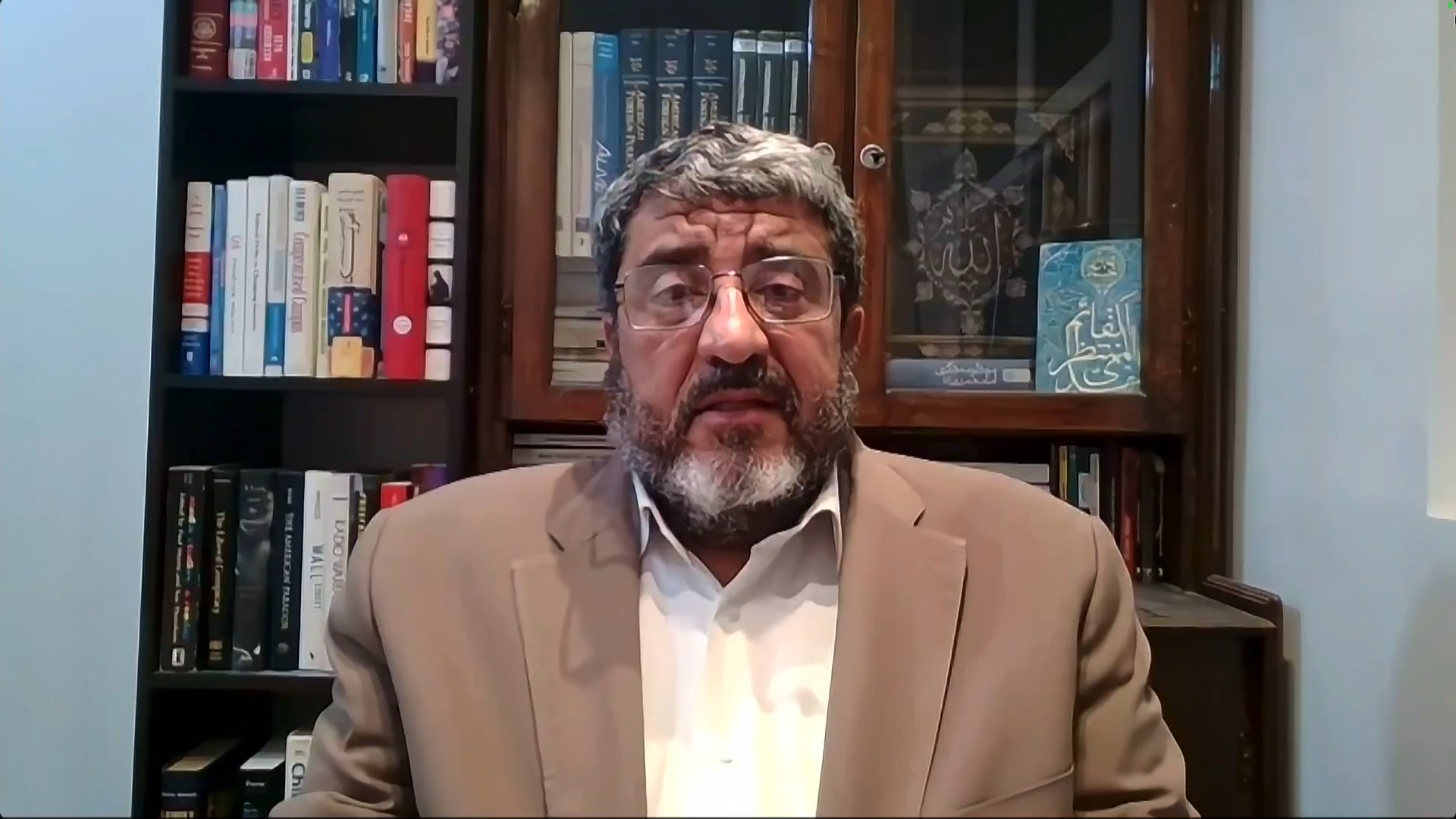
“Explaining the shift in Nato's purpose after the Ankara summit and Turkey's rising role”
The summit was a personal victory for Turkish President Recep Tayyip Erdogan, whom Donald Trump repeatedly praised. The UK, meanwhile, quietly signed a milestone defence and security pact with Turkey covering defence industries, cyber security, hybrid threats, counter-terrorism and space. The two countries reaffirmed their shared commitment to “shoulder greater responsibility for building a stronger Europe in a stronger Nato”. Turkey’s military importance to Britain and Nato is rising fast, driven by wars in Europe and the Middle East, an unpredictable US and an increasingly assertive China.
For UK readers, the implications are practical and strategic. The UK-Turkey pact means closer defence cooperation with a country that has one of Nato’s largest armies and controls key maritime chokepoints. But Turkey’s authoritarian turn — Erdogan jailed critics and banned protests before the summit — raises questions about the values underpinning the alliance. Some liberal Atlanticists were squeamish about the Ankara display, but as one observer noted, the summit may have been Nato “returning to its roots” rather than a deviation from democracy.
The summit also took place amid high security after US intelligence warned of an Iranian plot to kill Trump in Ankara. Trump switched planes on the way home because the Secret Service was concerned about security features on his new aircraft, donated by Qatar. Trump later declared on social media that the US was reinstating a blockade on Iran in the Strait of Hormuz and would charge ships for safe passage, escalating tensions with Iran.
Meanwhile, Hungary’s parliament voted to remove President Tamás Sulyok, a loyalist of former prime minister Viktor Orbán, using a constitutional amendment that also removes judges over 70 and bans deputies who have served three terms. The new government, led by Péter Magyar’s Tisza party, argues it is dismantling the authoritarian state Orbán built. The UK’s own political scene is shifting: Sir Keir Starmer announced his resignation as Labour leader last month, with Andy Burnham the only candidate to replace him and potentially become prime minister on 20 July.
Q: What is Nato 3.0? Nato 3.0 is a concept pushed by the Trump administration to refocus the alliance on its original Cold War mission of European deterrence and defence. It calls on European members to take greater responsibility for their own conventional security by increasing defence spending and industrial production, reducing reliance on the US military.
Q: Why is Turkey becoming more important to Nato? Turkey’s strategic importance is growing due to wars in Europe and the Middle East, an unreliable US under Trump, and a more assertive China. It has one of Nato’s largest militaries, controls key maritime routes, and recently signed a defence pact with the UK covering industries, cyber security and space.
Q: How does the UK-Turkey defence pact affect the UK? The pact strengthens UK-Turkey cooperation in defence industries, technology, cyber security, hybrid threats, counter-terrorism and space. It signals a shift towards greater European self-reliance in defence, with the UK and Turkey pledging to shoulder more responsibility for building a stronger Europe within Nato.
What happens next is uncertain. The UK faces a change in leadership as Starmer steps down. Hungary’s president may sign his own removal or trigger a constitutional crisis. And the Iran-US standoff over the Strait of Hormuz could escalate further. But the clearest takeaway from Ankara is that Nato is being reshaped — not abandoned, but recalibrated to fit a world where Europe must defend itself.