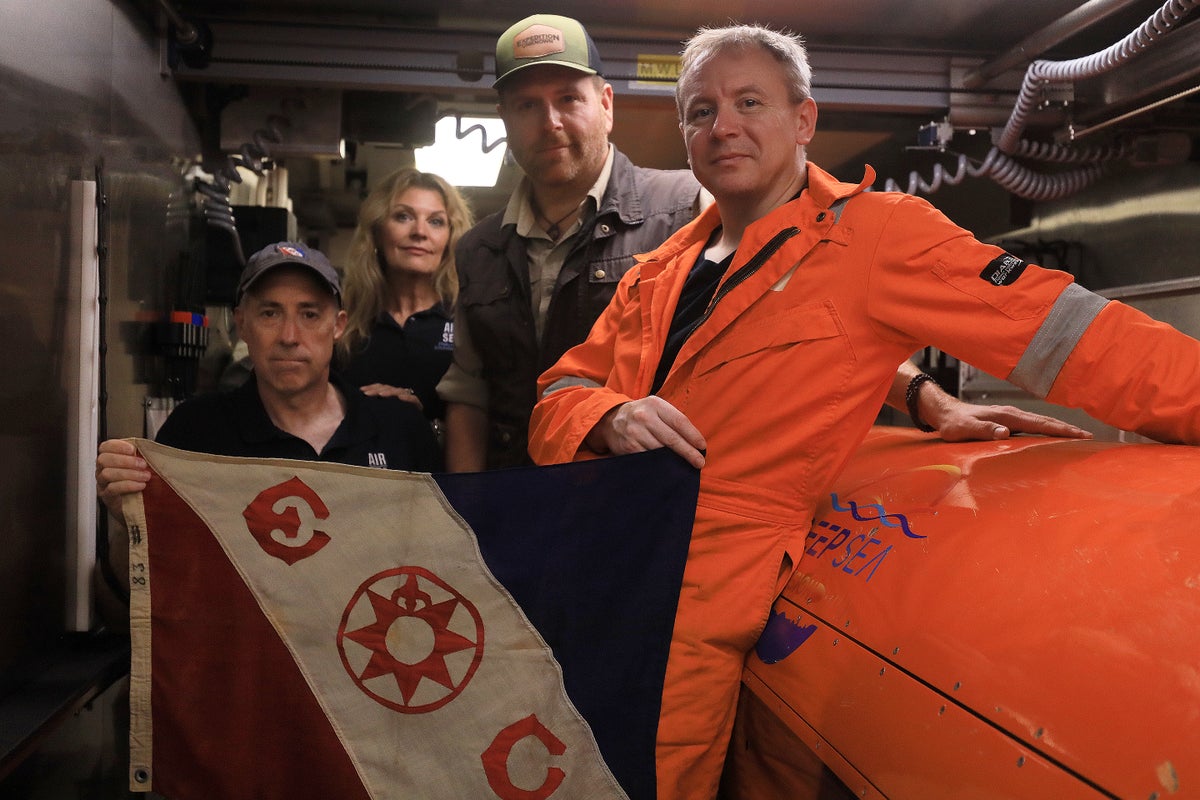
The wreckage of a Pan Am airliner that crashed 74 years ago off the coast of Puerto Rico — a disaster that led directly to the pre-flight safety briefings passengers now take for granted — has been discovered 2,000 feet underwater by explorers using an autonomous sonar drone.
The Clipper Endeavor, a DC-4 carrying 64 passengers and five crew, lost both engines on its right side just ten minutes after takeoff from Puerto Rico on Good Friday 1952. Its pilots carried out a violent water landing into the Atlantic, and everyone onboard initially survived. But with no standard pre-flight safety briefings at the time, chaos erupted. The plane sank in less than three minutes; 52 people drowned as passengers struggled to find life vests and crew could not deploy rafts in time. Only 12 passengers and five crew members made it out.
“Pan Am Clipper Endeavor wreck found 74 years after crash killed 52, led to safety briefings.”
“This one became a catalyst, and it helped drive safety steps forward of better flotation equipment and the preflight briefings,” said John Cox, an aviation safety expert. “So this is one steppingstone along the path to what we today enjoy as aviation safety. It was a rallying cry at the time.”
The discovery came after years of research by Russ Matthews of the Air/Sea Heritage Foundation, who first became interested in 2019 after learning of a luggage tag from the flight that had washed ashore in Florida. Matthews dug through Pan Am archives, Coast Guard records and Civil Aeronautics Board reports. The key breakthrough came from a map in Puerto Rico drawn by Air Force pilots who had witnessed the crash during a training flight. A sonar survey by a towed array in 2024 was thwarted by bad weather, but a second attempt in partnership with Deep Sea Vision and the Discovery Channel’s “Expedition Unknown” succeeded on June 2.
“Seeing the bright aluminum fuselage shining back at us from the ocean floor was a hugely emotional moment,” said Josh Gates, the show’s host. The research vessel Fugro Brasilis deployed an autonomous underwater vehicle capable of scanning to 20,000 feet and staying submerged for up to four days. The drone spotted the wreck broken into two parts.
The discovery could offer new hope for families who lost loved ones in other ocean crashes, such as Malaysia Airlines Flight 370, which disappeared 12 years ago with 269 people aboard.