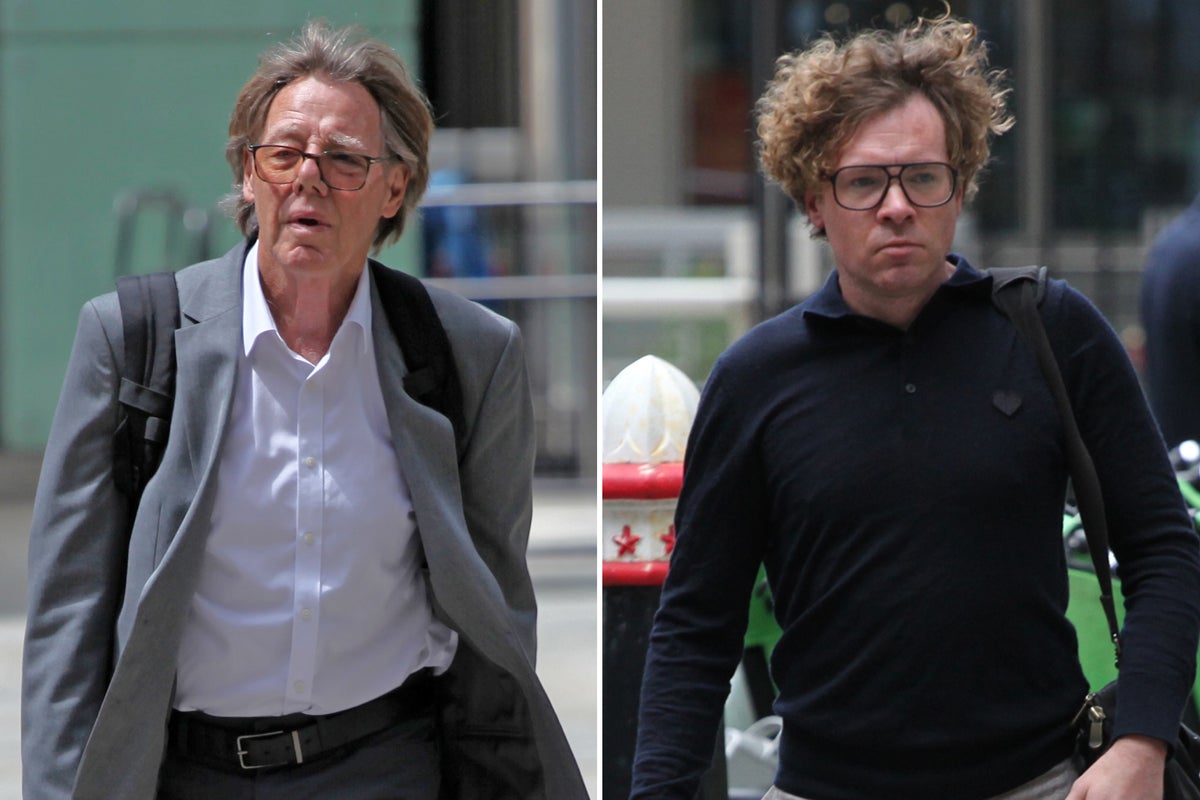
A fresh set of allegations about undisclosed gifts to Nigel Farage has once again raised questions about the Reform UK leader's finances, but his supporters seem unshaken. The claims, first reported by the Sunday Times, centre on George Cottrell, a friend known as "Posh George", who is said to have provided a "web of undisclosed gifts" to Farage. This comes on top of a £5 million donation from Christopher Harborne. Reform's rivals are eager to push the story, but the big question is whether it will actually damage Farage.
The allegations could trigger a parliamentary investigation by the standards commissioner. If that goes badly for Farage, it could lead to a suspension from the House of Commons, a recall petition, and ultimately a by-election in his Clacton constituency. Yet Farage is currently polling at 67 per cent there, meaning he would almost certainly win such a contest. So the real battle is not whether he loses his seat, but what the scandal does to the broader political landscape.
“A look at the allegations against Nigel Farage and why they may not dent his support.”
Farage's honesty has been an issue for more than a decade. Even against a low-polling Keir Starmer, Farage scores worse on being an honest man (29 per cent to 33 per cent). This story is likely to widen that gap. But Farage's appeal has never really been about honesty. Instead, his support comes from voters who see him as someone who speaks his mind and is in touch with the public (45 per cent of people hold that view). His favourability has remained remarkably stable over time: around 25–30 per cent for years. In 2013 his satisfaction rating averaged 30 per cent; in 2014 it was 35; in 2015 it was 32. Today it's similar. Farage has a low ceiling, but a high floor.
For UK readers, the scandal reveals a fundamental truth about modern politics. There are two campaigning strategies: rally your own vote, or depress your opponent's. This story may do more to rally progressive voters who want to stop Farage than it will to turn off his existing supporters. The Farage brand is built on a select stratum of voters who do not prioritise honesty in their leader. They value other traits: being in touch, saying what people think, and standing up against the establishment. Scandals like this barely register with them.
The implications are significant. If the story leads to a by-election, it will be a test of whether the progressive vote can unite against Farage. If it doesn't, it shows that scandals alone cannot break his coalition. Either way, the episode underscores the challenge faced by those trying to defeat Reform UK: traditional attacks on character may not work when your opponent's supporters simply do not care.
Q: Who is "Posh George"? A: George Cottrell, a friend of Nigel Farage, reportedly provided a "web of undisclosed gifts" to the Reform UK leader. The nickname "Posh George" is used affectionately by associates.
Q: Could Nigel Farage lose his seat over this? A: Potentially, if a parliamentary investigation leads to a suspension and a recall petition triggers a by-election. However, Farage currently polls at 67 per cent in his Clacton constituency, making him highly likely to win any such contest.
Q: Why don't these scandals hurt Farage's support? A: His core supporters value his ability to speak for them and be in touch with public opinion over personal honesty. His approval ratings have remained stable around 25–30 per cent for over a decade, showing little sensitivity to ethical allegations.
What happens next depends on whether the standards commissioner decides to investigate. If a suspension is imposed, Farage would face a recall petition and a possible by-election in Clacton. Even if he wins, the wider effect may be to energise opposition voters. For now, the scandal highlights the strange resilience of a politician whose supporters are remarkably immune to the kind of reputational damage that would sink most others.