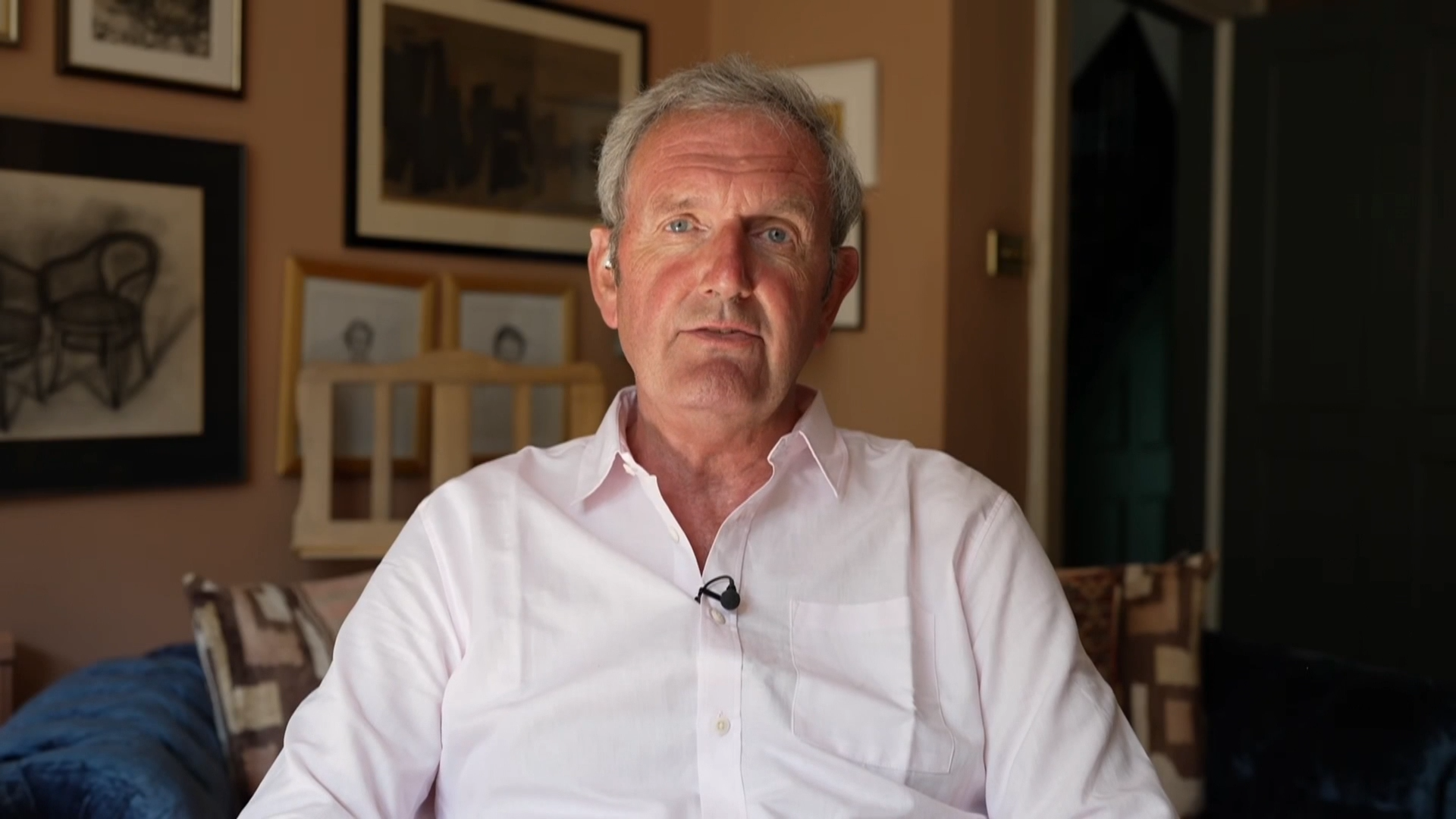
After nearly four years of legal wrangling, an 11-week trial and a 436-page judgment, Prince Harry and six other high-profile figures have lost their case against the publisher of the Daily Mail. The Duke of Sussex, alongside celebrities like Sir Elton John and Liz Hurley, had alleged that Associated Newspapers Limited (ANL) used unlawful methods such as landline tapping and deception to gather information for stories. But in July 2026, High Court judge Mr Justice Nicklin dismissed all 97 allegations, ruling that the claimants had failed to prove their case—a decision the prince and fellow claimant Baroness Doreen Lawrence called “a complete and obvious whitewash”.
The case is the latest chapter in what has become known as the “hacking scandal”, a saga that has reshaped Britain’s newspaper industry over nearly two decades. At its heart is a question that affects every UK reader: how far can the press go in pursuit of a story, and what legal remedies do individuals have when they believe their privacy has been violated?
“Prince Harry loses High Court privacy case against Daily Mail publisher; explains the press hacking scandal and its implications.”
The scandal began in 2007 when police discovered that the private investigator Glenn Mulcaire had hacked the phones of Prince Harry and other royals, working for the News of the World. That led to a 2009 Guardian investigation revealing widespread hacking, including the interception of messages belonging to murdered teenager Milly Dowler. The resulting outcry forced the closure of the News of the World and saw its editor Andy Coulson and other journalists convicted in 2014. In the years that followed, lawyers launched wave after wave of civil claims against News Group (publisher of the News of the World and The Sun) and Mirror Group Newspapers (publisher of the Daily and Sunday Mirror). Those cases cost the newspapers hundreds of millions of pounds in settlements and apologies, and established that some papers had used unlawful information-gathering on an industrial scale.
Prince Harry initially stayed out of the legal battles on palace advice, but after meeting barrister David Sherborne, he changed strategy and went to court. His celebrity status kept the scandal in the headlines for years. In this latest case, the group of seven—which also included David Furnish, Sadie Frost and Sir Simon Hughes—claimed they were victims of illegal information gathering by Daily Mail journalists. But the judge ruled that ANL’s defence—that no unlawful activity had taken place—was vindicated. He noted that Harry had given evidence about the personal impact, but stressed the claimants had not provided the “cogent evidence” required to prove such serious allegations.
For UK readers, this case matters because it highlights the high bar for proving press intrusion in court. The claimants faced a massive legal bill—up to £38m according to estimates—and a four-year wait for a trial that ended with no finding of wrongdoing. The ruling also underscores the tension between privacy rights and press freedom: ANL described the outcome as “magnificent vindication of the Daily Mail’s journalism”. Meanwhile, Prince Harry and Baroness Lawrence—whose son Stephen was murdered in 1993—continue to insist that the system has failed them. The case shows that even famous, wealthy individuals struggle to hold newspapers to account over allegations of unlawful behaviour.
Q: What exactly did Prince Harry and the others claim against the Daily Mail? The group alleged that Associated Newspapers had engaged in unlawful information gathering, including landline tapping, obtaining private information through deception, and instructing private investigators to target them. They brought 97 specific allegations, all of which were dismissed by the judge.
Q: Why did the judge rule against them? Mr Justice Nicklin said the claimants failed to prove the allegations on the balance of probabilities. He noted that the more serious an allegation, the more cogent the evidence needed—and the evidence presented was not sufficient to show that unlawful methods had been used.
Q: Will Prince Harry appeal? The prince’s lawyers have not yet mentioned an appeal. In a joint statement after the ruling, Harry and Baroness Lawrence called the decision a “whitewash”, but no formal announcement about further legal action has been made.
What happens next is uncertain. The legal costs are likely to be substantial—perhaps up to £38m—and may need to be covered by the claimants or their insurers. Harry’s team may consider an appeal, but that would require fresh grounds and further expense. For now, the judgment stands as a significant victory for Associated Newspapers and a setback for those seeking to challenge press practices through the courts. The broader issue of press privacy remains unresolved, with future cases likely to depend on the specific evidence presented and the legal standards applied.