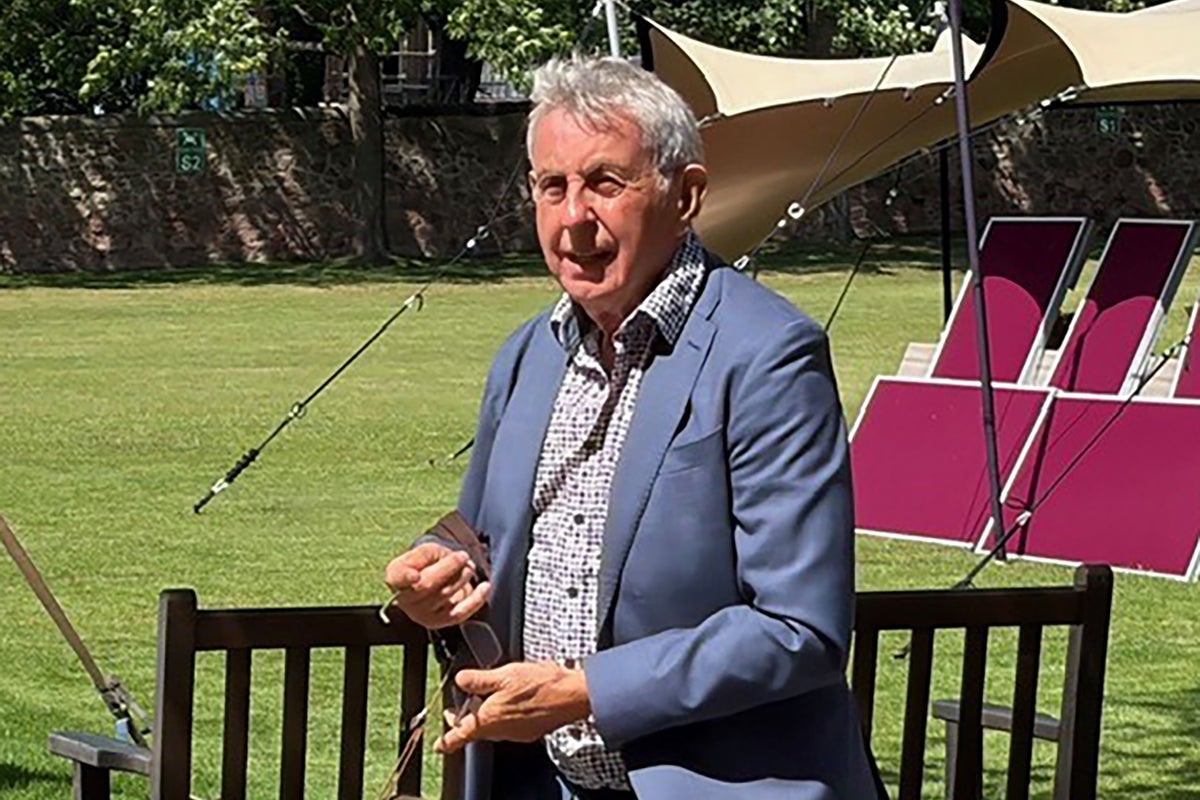
On a warm Saturday afternoon in Edinburgh, hundreds of people dressed in bright colours gathered at George Watson's College to celebrate the life of Scott Hastings, the former Scotland and British and Irish Lions centre who died on May 17 at the age of 61. His brother Gavin Hastings, himself a rugby great, described Scott as "one of the great human beings" and said his "generosity of spirit was extraordinary". The event, which drew former teammates from across the UK and France, highlighted the profound impact Hastings had on the rugby community — a community that, as Gavin put it, is "extraordinary" and has sent "hundreds and hundreds of letters and messages".
Scott Hastings was a British and Irish Lions centre who won 65 caps for Scotland in an 11-year Test career that began in 1986. He was part of the most recent Scotland team to win the Grand Slam, in 1990. Hastings played alongside his brother Gavin on several occasions, and together they formed one of the most celebrated sibling partnerships in Scottish rugby history. After his playing days, Hastings remained a prominent figure in the sport, known for his character and his work off the field.
“The life and legacy of Scottish rugby legend Scott Hastings, who died aged 61.”
The background to Hastings' story is rooted in Scottish rugby's golden era. The 1990 Grand Slam was a landmark achievement — Scotland beat England at Murrayfield in a match often described as one of the greatest in the sport's history. That team, coached by Ian McGeechan and captained by David Sole, included the Hastings brothers in the backs. Scott's style was direct and physical, complementing Gavin's powerful running. The brothers' partnership was a key part of that success. After retiring, Scott continued to contribute to rugby through commentary, charity work and as a mentor. His death, following complications from cancer treatment, came less than two years after the death of his wife Jenny in 2024, which his brother described as "incredibly tough" for Scott.
For UK readers, Hastings' story matters because it represents the deep bonds that rugby fosters, especially in Scotland and the wider British and Irish rugby community. The memorial at George Watson's College — his former school — was attended by players from across the home nations and France, including England's Brian Moore and Rob Andrew, Wales' Ieuan Evans, and former France captain Abdelatif Benazzi. Scottish Rugby Union president Keith Wallace called Hastings a "great man", and Gavin Hastings compared the sense of loss to that felt after the death of Doddie Weir in 2022, another popular Scottish rugby figure taken too soon. Such connections show how rugby can unite people across borders, and how the sport's community rallies around its own in times of grief.
Q: Who was Scott Hastings? Scott Hastings was a Scottish rugby union player who won 65 caps for Scotland between 1986 and 1997, playing as a centre. He also represented the British and Irish Lions and was part of Scotland's 1990 Grand Slam-winning team. He died on May 17, 2025 at age 61.
Q: What is the significance of the 1990 Grand Slam? The 1990 Grand Slam is Scotland's most recent clean sweep of the Five Nations championship. The team, which included both Hastings brothers, defeated England 13-7 at Murrayfield in a match that is still celebrated as a high point in Scottish rugby history.
Q: How is Scott Hastings being remembered? A memorial service was held at George Watson's College in Edinburgh, attended by hundreds of former players and rugby figures. Guests wore colourful clothing, and tributes were led by his brother Gavin Hastings, who praised Scott's generosity and character.
What happens next: Scott Hastings' legacy will continue through the memories of his teammates and fans, and through the ongoing work of the Scottish Rugby Union and charities he supported. His family have expressed gratitude for the outpouring of support, and his name is expected to "live long in people's memory", as his brother said.