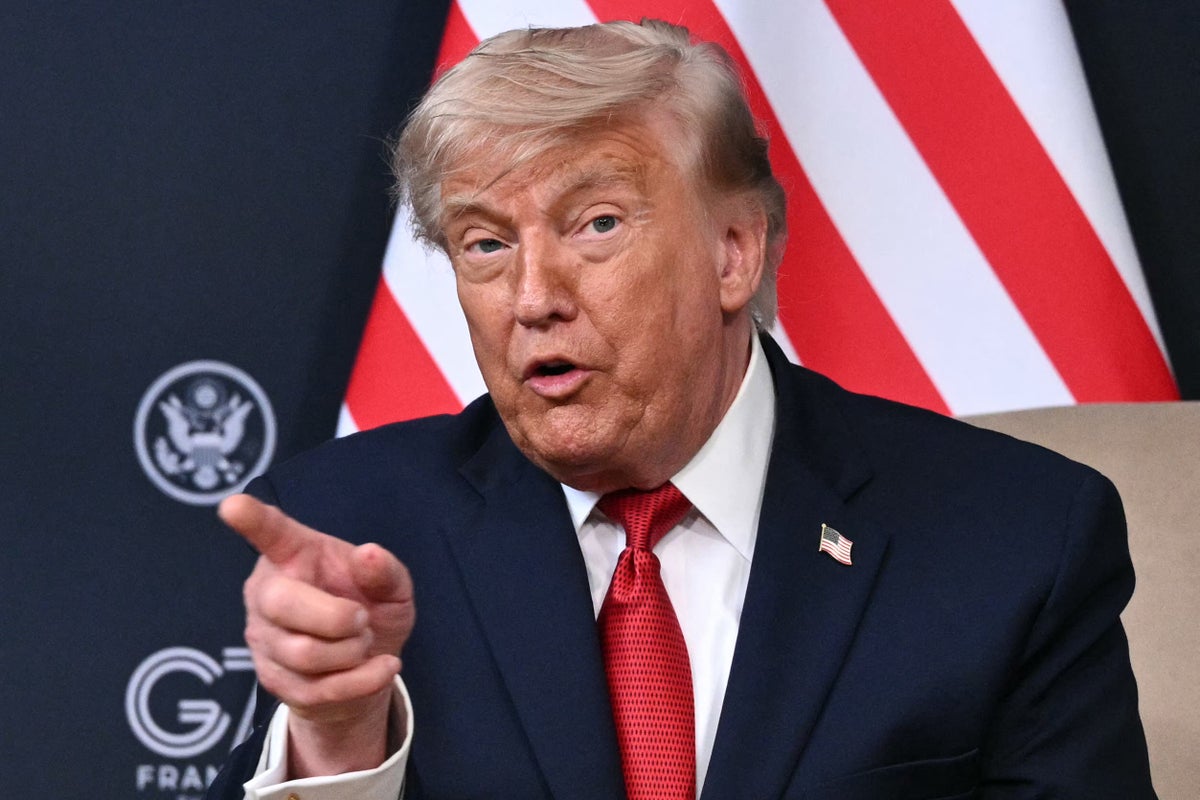
Imagine a narrow waterway so vital to global energy supplies that its closure could send petrol prices soaring and plunge economies into uncertainty. That is the Strait of Hormuz, a 21-mile-wide channel between Iran and Oman that connects the Persian Gulf to the open ocean. In June 2026, Iran announced it was closing the strait again, citing Israeli airstrikes on Lebanon and accusing the United States of violating a ceasefire agreement signed just days earlier. The move escalated a crisis that had already seen U.S. President Donald Trump threaten to "take over" Iran if the waterway were not reopened, and Vice President JD Vance scrambling to salvage peace talks in Switzerland.
The Strait of Hormuz is the world's most important oil chokepoint. Roughly one-fifth of all global oil consumption passes through it daily, carried by tankers from Saudi Arabia, Iraq, Kuwait, the United Arab Emirates and Iran itself. Any disruption to that traffic can cause oil prices to spike and trigger economic shockwaves far beyond the Middle East. For decades, Iran has used the threat of closing the strait as a strategic lever, especially during periods of tension with the West. The latest closure came after the U.S. and Iran had agreed a 60-day ceasefire on June 17, 2026, under which Tehran guaranteed safe passage. But within days, Israel launched a major offensive into Lebanon against Hezbollah, which Iran saw as a violation of the deal's requirement for calm on all fronts.
“An explainer on the Strait of Hormuz, why Iran threatens to close it, and what it means for global energy and UK consumers.”
The current crisis has its roots in the U.S.-Iran war that began in February 2026. President Trump ordered airstrikes on Iran, and the conflict quickly drew in regional proxies. Israel, which is not a party to the U.S.-Iran ceasefire, continued its assault on Hezbollah in southern Lebanon, killing more than 4,000 people since the war began, according to officials. Top Israeli figures, including national security minister Itamar Ben-Gvir, called for even harsher action. Trump's own advisers reportedly viewed Israel's attacks as an attempt to sabotage the ceasefire talks. Meanwhile, the U.S. had demanded an end to Iran's stranglehold on the strait as a key condition of any deal. But the memorandum signed on June 17 only guaranteed toll-free passage for 60 days, pending final negotiations on Iran's nuclear programme.
For UK readers, the stakes are immediate and personal. Britain relies on oil and gas supplies that transit the Strait of Hormuz, and any prolonged closure would hit fuel prices at the pump and increase household bills. In 2019, a similar (if shorter) disruption contributed to price rises felt across Europe. The UK also has a security interest: the Royal Navy has historically participated in patrols to keep the strait open. Beyond energy, the crisis affects global shipping. Iran announced that ships must apply for permission 48 hours in advance to pass through, citing "mine-affected areas" and safety concerns, creating confusion for commercial vessels. Uncertainty over the strait's status has already caused shipping delays, which could push up the cost of imported goods.
Q: Why does Iran threaten to close the Strait of Hormuz? Iran uses the threat as leverage in negotiations with the U.S. and its allies. By controlling access to the strait, Tehran can pressure the international community, especially on issues like sanctions and its nuclear programme. It also retaliates when it perceives a breach of agreements, as with the ceasefire violations it blamed on the U.S. over Israeli attacks in Lebanon.
Q: What is the 60-day ceasefire deal? Signed on June 17, 2026, between the U.S. and Iran, the deal guaranteed safe, toll-free passage through the Strait of Hormuz for 60 days while the two sides negotiated a final settlement on Iran's nuclear plans. It also called for a ceasefire "on all fronts," including Lebanon, though Israel was not a signatory.
Q: How would a closure affect UK petrol prices? A prolonged closure would disrupt global oil supplies, leading to higher crude oil prices. Since the UK imports a significant portion of its oil and refined products from the Gulf region, prices at the pump would likely rise by several pence per litre within weeks, depending on the duration of the closure.
What happens next is uncertain. The U.S.-Iran talks in Switzerland collapsed after Trump's outburst and Iran's walkout. The 60-day ceasefire window is ticking, and the key dates are unclear—though the deal's deadline for final negotiations on nuclear plans remains in place. Meanwhile, Israel's offensive in Lebanon continues, and Iran may keep the strait closed or impose further restrictions. The outcome will depend on whether diplomacy can repair the broken ceasefire or whether the region slides back into open conflict.