Nigel Farage, the Reform UK leader whose party is polling as the favourite to win the next general election, is facing intensifying scrutiny over vast sums of money flowing from a convicted criminal and a cryptocurrency billionaire — and now has the backing of Donald Trump.
The US president shared a link to an article titled “They’re Running the 2024 Anti-Trump Playbook on Nigel Farage”, wading into a controversy that has left Farage visibly uncomfortable and less visible in front of cameras. The BBC’s political editor, Chris Mason, wrote that the ongoing swirl of stories has put Farage “on the back foot” and that he has come across as “irritable” at questions thrown his way.
“Trump backs Farage as questions mount over £5m gift from crypto billionaire and support from convicted criminal.”
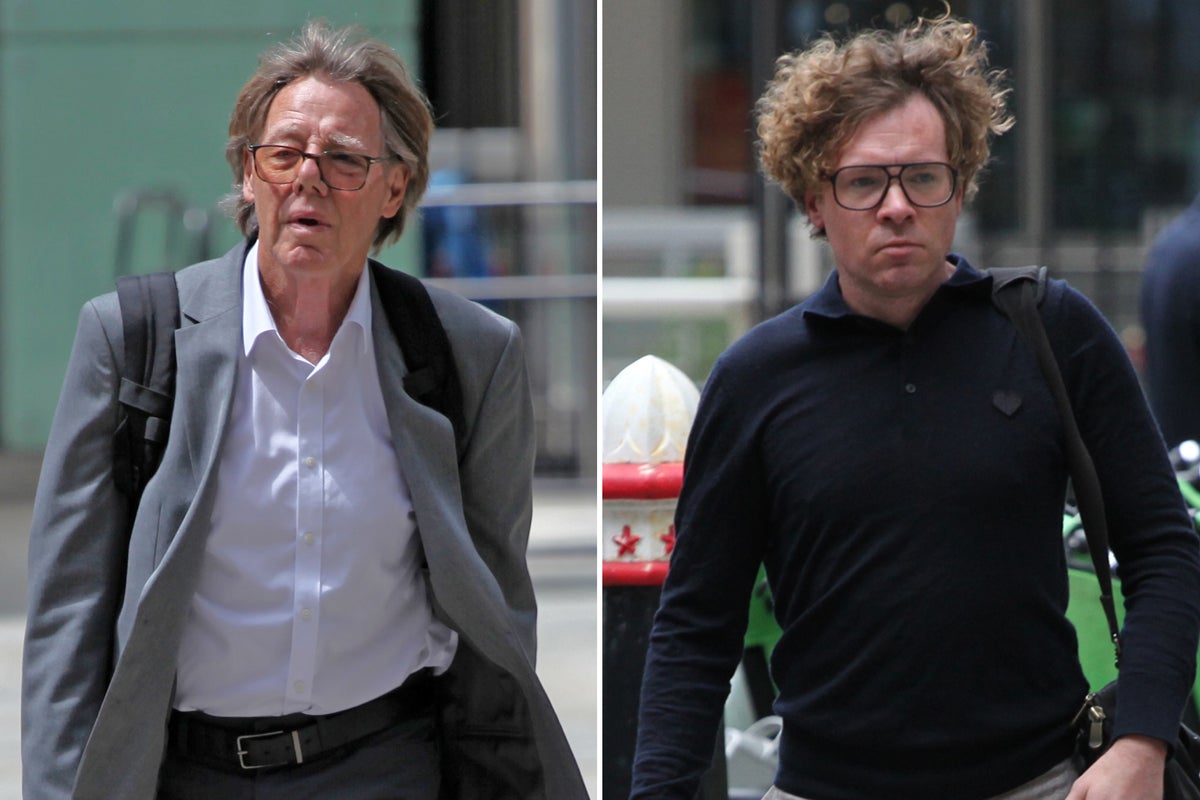
At the heart of the row are two men. One is Christopher Harborne, a Thailand-based British cryptocurrency investor and billionaire who gave Farage a £5m gift. The other is George Cottrell, an aristocrat and convicted criminal — nicknamed “Posh George” — who is also heavily involved in crypto and provided support to the Reform leader.
Farage argues that neither gift relates to taxpayers’ money and that they amount to attempts to undermine him and his party. He says he has “done no wrongdoing” and that the spending details of the £5m are “not the public’s business”. He insists his long-standing views on crypto are genuine and that gifts buy no influence.
But the House of Commons Code of Conduct states that MPs “must fulfil conscientiously the requirements of the House in respect of the registration of interests”. New members must register all financial interests and any registrable benefits received in the 12 months before their election within one month. There is an exemption for “purely personal gifts or benefits from partners or family members” — but the document warns that “both the possible motive of the giver and the use to which the gift is to be put should be considered”. If there is any doubt, the benefit should be registered.
Farage received both gifts before becoming an MP, but the code covers benefits received in the 12 months pre-election. The question now is whether the scale and nature of the support — from a convicted criminal and a billionaire with interests in an unregulated sector — crosses the line into registrable territory.
For the first time in a long time, Reform’s political rivals sense turbulence. As Mason put it: “All of this is what scrutiny looks like when you are a candidate for prime minister.”