Shipping through the vital Strait of Hormuz has halved following tit-for-tat strikes between the US and Iran this week, shaking the foundations of a sketchy 14-point interim peace deal. President Donald Trump declared the ceasefire over “in no uncertain terms” on Friday, as each side blamed the other for violating the agreement.
The crisis began on Monday when Iran attacked three commercial vessels passing through the Omani corridor of the strait in overnight strikes. The US responded by revoking sanctions relief on Iranian oil sales, and US Central Command launched a wave of strikes on over 80 military targets, accusing Tehran of violating the ceasefire. Iran retaliated by hitting military bases in Kuwait and Bahrain.
“Shipping through the Strait of Hormuz halved after US-Iran strikes, and Trump says the ceasefire is over.”
Iran’s parliamentary speaker, Mohammed Bagher Ghalibaf, accused the US of violating the memorandum of understanding, writing on X: “The era of bullying and extortion is over. It leads nowhere. We don’t fold.”
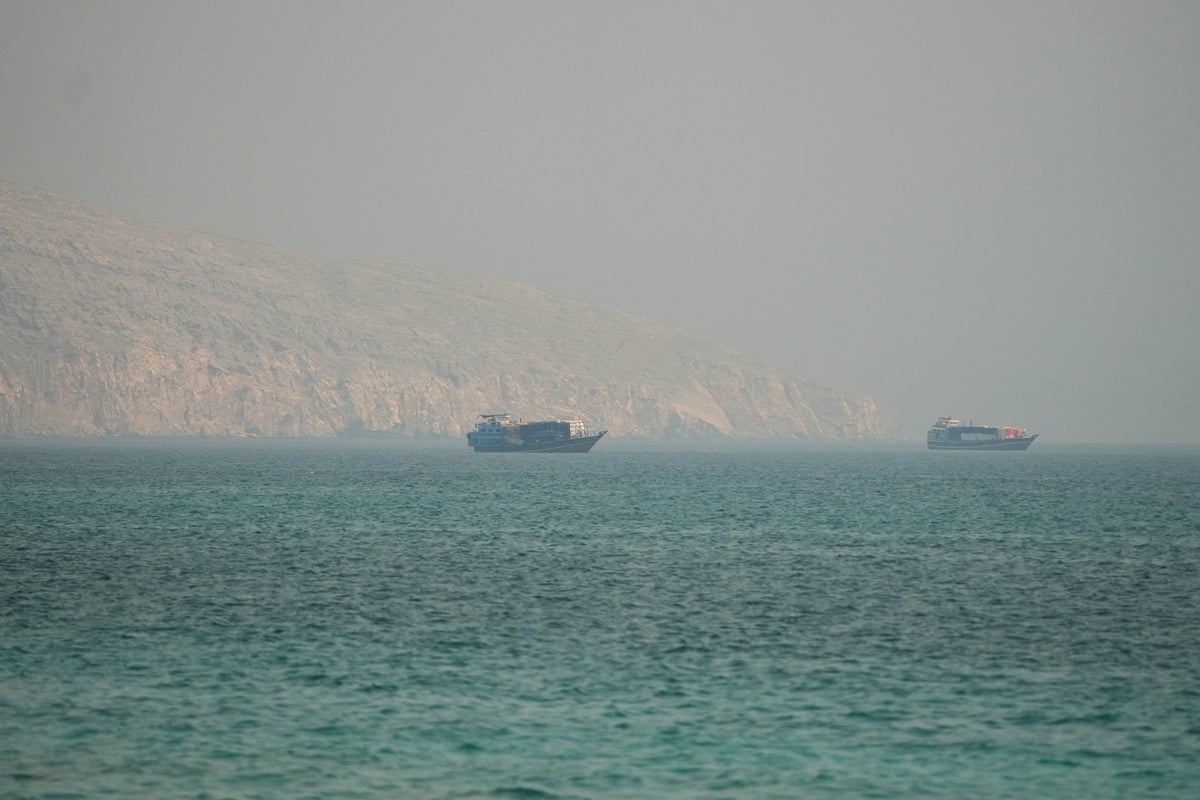
At the heart of the dispute lies a single shipping lane. The Strait of Hormuz consists of two corridors: a southern passage along the Omani coast, traditionally for inbound ships, and a northern lane along the Iranian coast for outbound vessels. In recent days, commercial traffic had increased through the Omani route, prompting Iran to warn that any ships not using its approved corridor would face an “immediate and powerful response”. The Islamic Revolutionary Guard Corps has used small boats to “swarm” commercial vessels.
Neil Quilliam, an energy policy and geopolitics specialist at Chatham House, said: “What we are witnessing is Iran wishing to retain control over Hormuz. It is clear that the Iranian regime calculates that vessels passing through the Omani passage without coordinating with the Iranian authorities constitutes a challenge to its ability to exercise control over Hormuz.”
Iran has used its leverage over the strait to push for concessions and has floated the idea of a joint tolling system with Oman, which Trump has vehemently rejected. “This is a test of wills between Iran and the US,” Quilliam added. “The US has lifted its blockade of Iranian ports and shipping and Iran has allowed vessels to pass through the strait but is unwilling to cede its control over Hormuz.”
With the ceasefire now dead and commercial traffic halved, the global economy faces renewed uncertainty. Experts say negotiators must go back to the drawing board on the Strait of Hormuz if further disruption is to be avoided.
