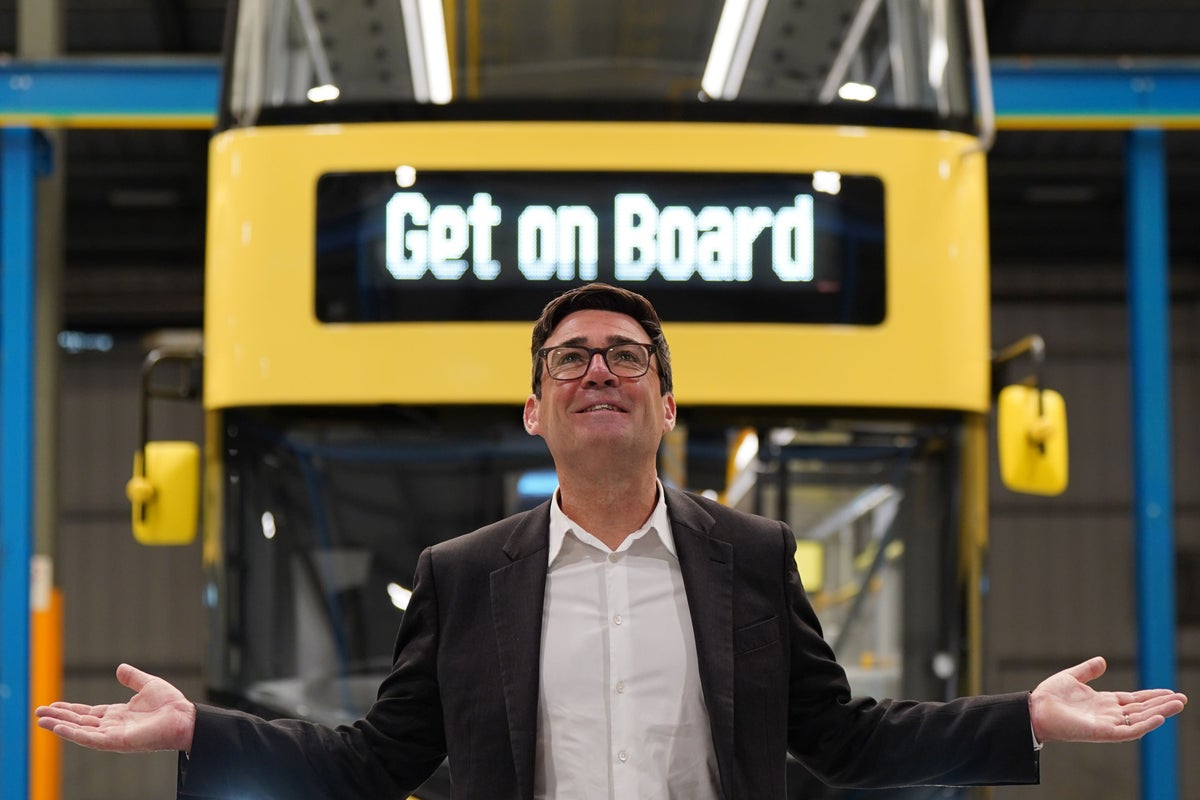
Imagine hopping on a bus in Manchester or Liverpool and paying no more than £2 for a single journey, no matter how far you travel. That is the vision Andy Burnham, the Mayor of Greater Manchester, is pushing with his proposal for a national bus fare cap. The plan has sparked political debate, with questions swirling about how it would be funded and whether it can actually become a reality.
At its core, the proposal is simple: cap single bus fares across England at £2 per journey. Burnham announced the idea in July 2025, positioning it as a way to make public transport more affordable and encourage people to leave their cars at home. The cap would apply to all bus services, not just those in metropolitan areas, potentially benefiting millions of daily commuters, students, and pensioners.
“Andy Burnham's £2 single bus fare cap proposal explained: how it works, who pays, and why it matters for UK commuters.”
Currently, bus fares are set by private operators, with single journeys often costing significantly more than £2 in many regions. The cap aims to provide a uniform, low-cost option, similar to initiatives like the £2 bus fare trial that ran earlier in some areas. Burnham's plan would make that cap permanent and nationwide. However, the big question is who pays for it. Chancellor John Healey has stated it will be "no burden to British taxpayers", but as Politico notes, the small print raises questions about how the scheme will be funded. The government has not yet provided a detailed funding mechanism, leaving experts and MPs to wonder if the cost will be absorbed by operators, passed to local authorities, or covered by central government.
For UK readers, the fare cap could mean significant savings. A daily bus commute currently costing £4-6 could halve to £2 each way. That adds up to hundreds of pounds a year per person. It could also boost bus usage, reduce road congestion, and lower carbon emissions. But the cap also raises concerns about service quality: if operators lose revenue, they may cut routes or reduce frequencies. Some worry the cap could be a sticking plaster rather than a long-term solution for Britain's bus network, which saw steep ridership declines during the pandemic and struggles with funding.
Q: How much does a bus journey currently cost in the UK? Single bus fares vary widely by region, but in many areas outside London they range from £2 to £5 or more for longer journeys. London already has a flat fare system, but elsewhere prices are set by private operators.
Q: Will all bus operators have to follow the £2 cap? The proposal aims to cap fares across all bus services in England, but it requires legislation or a funding agreement with operators. Private companies would need to comply if they want to receive government subsidies or if the cap is mandated by law.
Q: When could the £2 bus fare cap start? There is no confirmed start date yet. Andy Burnham launched the proposal in July 2025, but Parliament must debate and approve funding. The Commons was not sitting at the time of the announcement, so action is likely delayed until the autumn.
What happens next depends on political will and budget negotiations. The government has not committed to a timeline, and the funding gap remains unresolved. With Chancellor Healey insisting there will be no new burden on taxpayers, the details of who pays will shape whether the cap becomes a reality or remains a campaign promise.
