After months of conflict, the United States and Iran are reportedly "very close" to a peace deal, with both sides expressing optimism that an agreement could be signed within days. But while officials talk up progress, several unresolved issues still stand in the way.
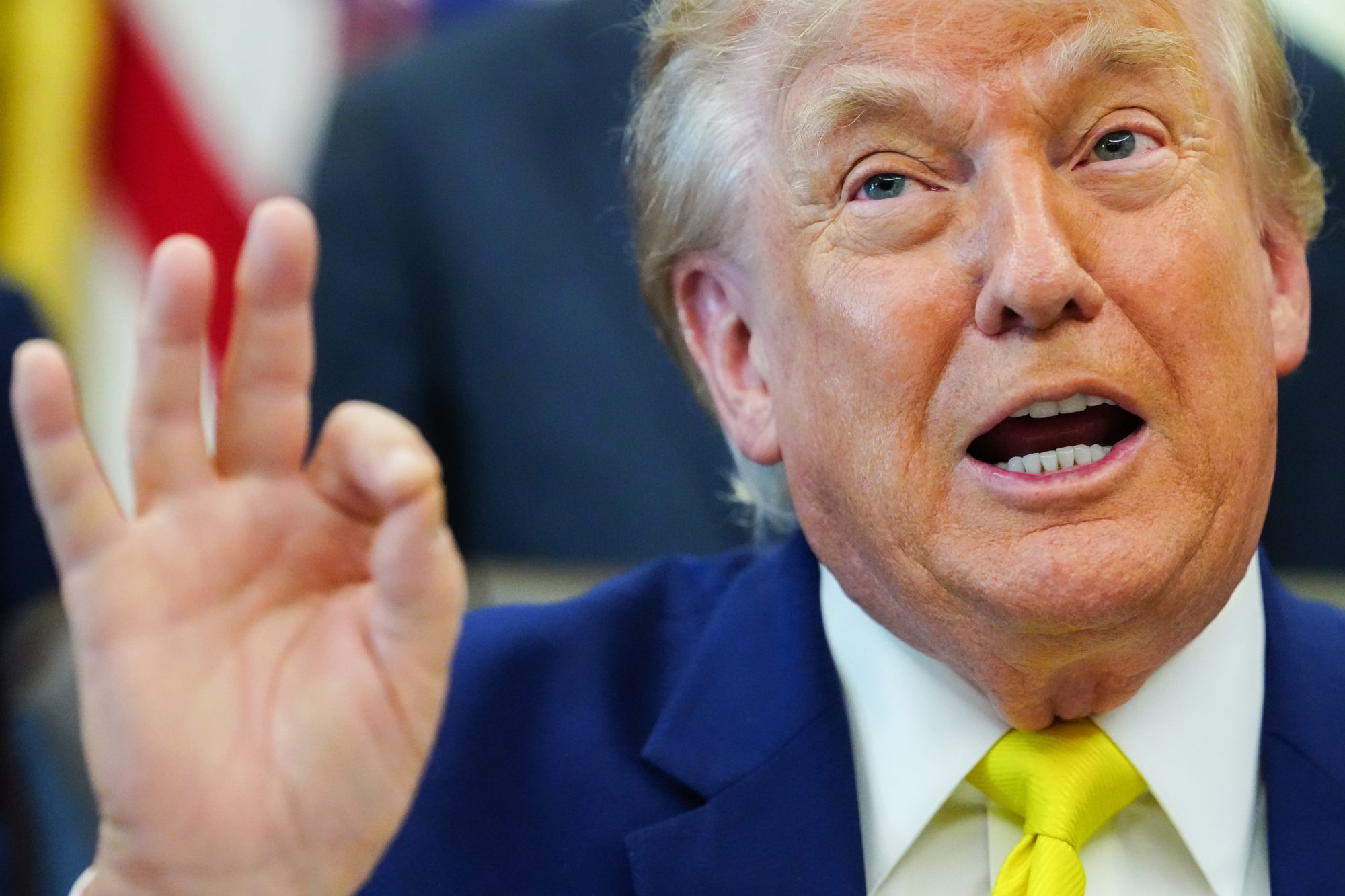
At the heart of the negotiations is a proposed memorandum of understanding, which a senior US official told Reuters has a text both sides like. Donald Trump said the deal could be signed as soon as Sunday in Europe, while Iranian foreign minister Abbas Araghchi said peace "has never been closer." But conflicting accounts of the terms have emerged, and Pakistan's prime minister Shehbaz Sharif warned of a "misinformation campaign" that could "sabotage" reconciliation. Trump has since expressed frustration, calling the Iranians "very dishonourable people to deal with" and urging them to "get their act together, and FAST!"
“An explainer on the key sticking points in US-Iran peace deal negotiations.”
The current conflict began in February, when Iran effectively closed the Strait of Hormuz – a narrow waterway that handles a fifth of the world's oil flows. Since then, several ships have been attacked trying to cross, and both sides have imposed blockades: Iran closed the Strait, and the US blocked Iranian ports. A senior White House official said the draft memorandum would reopen the Strait and lift the US blockade in return. But Araghchi insisted sovereignty over the Strait belongs to Iran and Oman, and that Iran would continue to ensure safe passage – adding, "our sword will always hang over the Strait of Hormuz." He said Tehran has made a "firm decision that the administration of the Strait of Hormuz will no longer be the same as before."
Another major sticking point is Iran's nuclear programme. The draft memorandum reportedly pushes detailed talks into a 60-day period, with no final decision yet on whether Iran will give up its stockpiles of highly enriched uranium. A senior Trump administration official insisted Tehran has committed to dismantling its nuclear weapons programme and decommissioning nuclear sites, including destroying enriched material – but admitted it is not clear how this will be done. The extent of damage to Iran's nuclear facilities and missile stockpiles from the fighting also remains uncertain. In return for compliance, the deal could include hundreds of billions of dollars in potential war reparations.
For UK readers, the most immediate impact is likely to be on energy prices. The closure of the Strait of Hormuz has already pushed up global oil costs, and these are expected to rise further as winter approaches. A deal that reopens the Strait could stabilise prices, but continued uncertainty may keep them volatile. The UK also has a strategic interest in Gulf stability and in preventing nuclear proliferation in the region.
Q: What are the main obstacles to a US-Iran peace deal? The key sticking points are the status of the Strait of Hormuz, which Iran wants to control, and Iran's nuclear programme, where the US demands full dismantlement but the draft deal only pushes talks for 60 days. There are also disagreements over the damage done to Iran's military infrastructure and the amount of potential war reparations.
Q: Why is the Strait of Hormuz so important? The Strait is a narrow waterway between Iran and Oman through which about 20% of the world's oil passes. Iran closed it in February, leading to attacks on ships and rising global energy prices. Reopening it would be a key condition of any deal.
Q: What has Trump said about the negotiations? Trump has expressed frustration with slow progress, calling the Iranians "very dishonourable people to deal with" and telling them to "get their act together, and FAST!" He also said a memorandum of understanding could be signed as soon as Sunday in Europe.
What happens next? Pakistan's prime minister said a deal is "expected in the next 24 hours," but US and Iranian officials have given conflicting accounts of the terms. The draft memorandum contains a 60-day delay on nuclear talks, so even if a deal is signed soon, the toughest negotiations may still lie ahead.