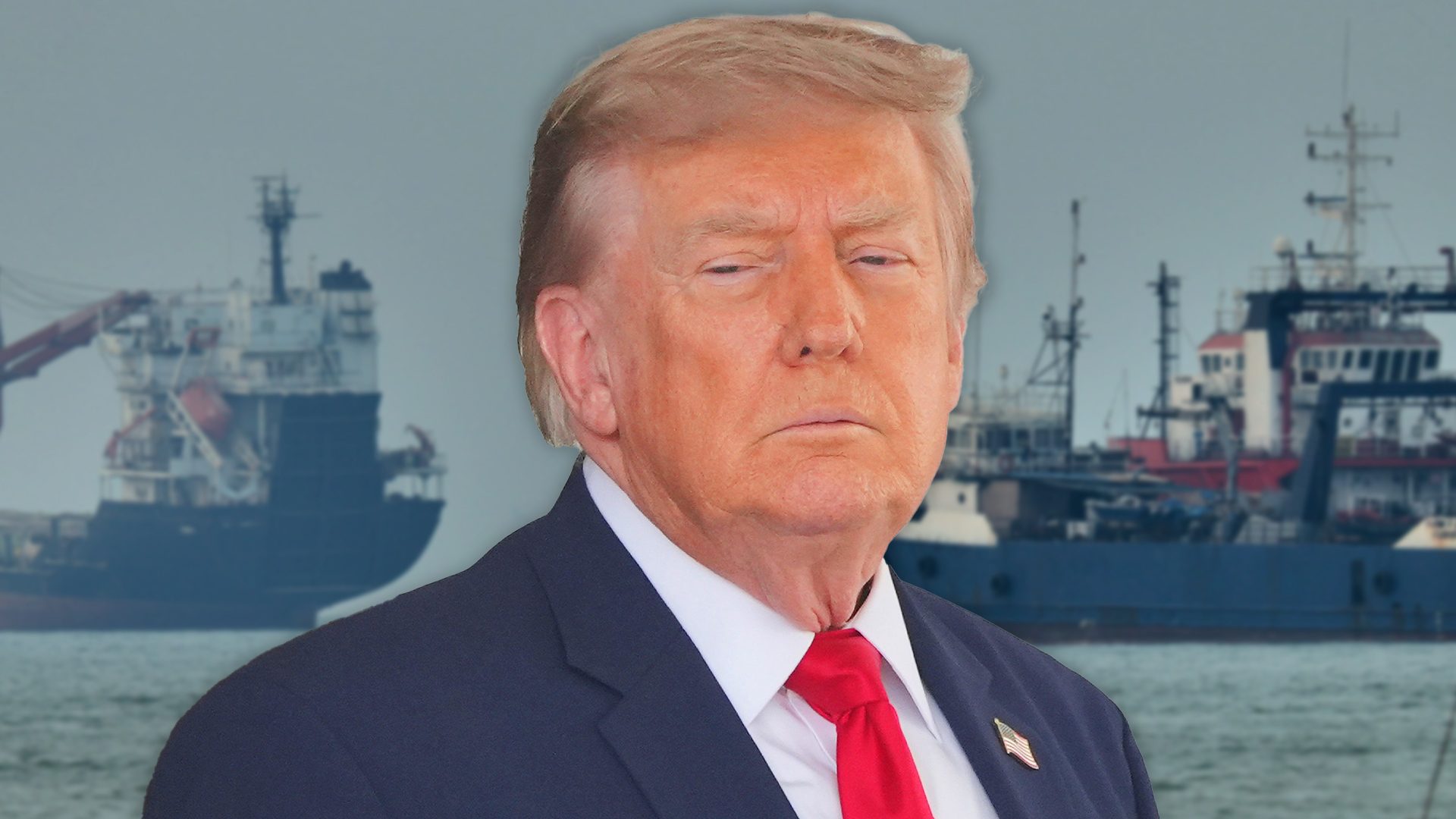
US projectiles struck four points in the Iranian port city of Bushehr at noon on Tuesday, hitting near the country's only civilian nuclear power plant, according to deputy provincial governor Ehsan Jahanian. No immediate word emerged on damage to the nuclear facility itself. The strikes were part of a sharp escalation that saw explosions also hit Abadan, home to the Middle East's oldest oil refinery, and the port city of Mahshahr, said Valiollah Hayati, deputy governor of Khuzestan province. Five more explosions were heard west of Bandar Abbas, close to the Strait of Hormuz, Iranian state television reported.
The US attacks came hours after Iran struck two ships in the Strait of Hormuz on Tuesday, killing one crew member and injuring eight others. The UK Maritime Trade Operations agency reported a tanker 13 nautical miles southeast of Limah on the Omani coast was hit by a missile while transiting outbound on the southern route. Another tanker was struck 40 nautical miles northeast of Qalhat on Monday. The UAE said Iranian missiles had hit the two vessels. Brent crude rose above $85 a barrel for the first time since prices eased after a June ceasefire, with both Brent and West Texas Intermediate futures climbing roughly 2.5%.
“US strikes near Iran's Bushehr nuclear plant as ceasefire collapses and Hormuz crisis deepens”
The fragile truce signed last month has now tipped into war, with the status of the Strait of Hormuz as its biggest fault line. Iran sees in point five of the 14-point memorandum of understanding a green light giving it sway over management of the maritime corridor; the US reads it as requiring Tehran to open the strait to free flow of global oil and gas. “You can drive a truck through those clauses,” an Arab oil executive working in the region said. Iran's lead negotiator Mohammad Bagher Ghalibaf recently wrote on social media: “We told you: keep your word or pay the price.”
Tehran announced on Sunday it had reversed the reopening of the strait it agreed to under the interim deal. On Monday, US strikes in Hormozgan province killed members of an environmental ranger's family, including his two sons and daughter-in-law, Iranian media reported. An official in Khuzestan separately confirmed two deaths and three injuries from the same wave of attacks. After the latest escalation, US Central Command announced the reimposition of a blockade on Iranian ports from 9 pm CET Tuesday, following an order from Donald Trump. Trump said on Truth Social that the US was “taking control” of the strait and floated a 20% levy on the value of all cargoes passing through it. The Islamic Revolutionary Guard Corps confirmed it had carried out missile and drone strikes on Tuesday, as Bahrain said its air defence systems intercepted “several treacherous aerial attacks launched by Iran”. Warning sirens sounded three times since dawn in the Bahraini capital Manama.
Meanwhile, Iran's parliament quietly introduced a new bill on control of the strait. There was little hope in the region for a swift resolution, as both sides remained unable to resolve control of the strategic waterway. Robert Malley of the International Crisis Group, who was part of the US delegation that negotiated the 2015 nuclear deal, noted clear and growing signs of splits within Iran's leadership over how to move forward: “Some want to cash in on battlefield gains through diplomacy and some believe the ceasefire came too soon before Iran had inflicted enough pain on the US.” Recent Iranian attacks on three vessels including a Qatari-flagged liquefied natural gas tanker near Oman were described by a diplomatic source in the region as the work of a “rogue unit” within the IRGC. In a system where the IRGC now plays a dominant role, Iran's non-negotiable red line is that vessels must stick to its designated routes.