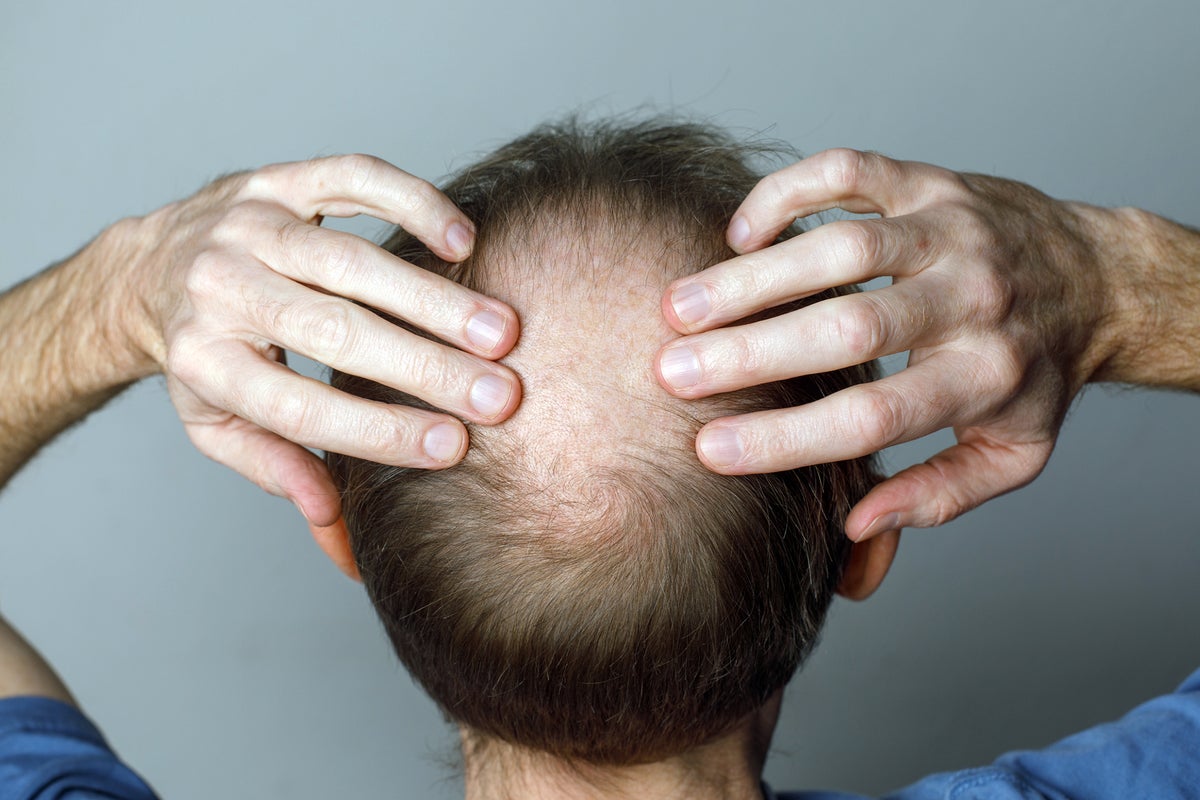
For millions of Britons using weight loss jabs like Wegovy and Mounjaro, a new study suggests a side effect many might not expect: hair loss. Published in the British Medical Journal, the research analysed electronic patient data from around 50,000 people and found a clear link between GLP-1 agonist drugs and alopecia.
GLP-1 agonists – which include semaglutide (the active ingredient in Ozempic and Wegovy) and tirzepatide (Mounjaro) – work by mimicking hormones that regulate blood sugar and suppress appetite. They are widely prescribed in the UK for type 2 diabetes and obesity. But a growing number of patients have reported hair loss to regulators, prompting the University of Pennsylvania Health System to investigate. After adjusting for factors like age and weight, the team found that GLP-1 users had a 37% higher risk of alopecia compared to those taking SGLT-2 inhibitors, and a 68% higher risk compared to those on DPP-4 inhibitors. The hair loss was identified as non-scarring alopecia, meaning hair follicles remain intact and regrowth is possible.
“A new study links weight loss jabs to hair loss; UK regulators report hundreds of cases.”
The issue is not entirely new. The US Food and Drug Administration has been evaluating reports of hair loss linked to semaglutide and tirzepatide. In the UK, the Medicines and Healthcare products Regulatory Agency (MHRA) has received 399 reports of hair loss related to tirzepatide so far in 2026, alongside 541 last year, and 148 reports linked to semaglutide in 2026 with 164 last year. Researchers believe the most likely cause is rapid weight loss and reduced calorie intake, which can lead to micronutrient deficiencies such as low iron or zinc levels. "Weight loss and changes in nutritional status are established risk factors for telogen effluvium," said Dr Yong Chen of the University of Pennsylvania, a common but temporary form of hair loss.
For UK readers, the findings matter because these medications are increasingly popular. The National Institute for Health and Care Excellence (NICE) already lists hair loss as a "common or very common" side effect. Approximately one in 50 Britons will experience alopecia at some point, and while hair loss is not physically harmful, the study notes it can have "significant psychosocial consequences, affecting self-esteem, quality of life, and adherence to treatment." The good news is that if hair loss is due to rapid weight loss, it may be temporary. Experts suggest that topping up iron and zinc levels could help protect against the side effect.
Q: Do weight loss drugs cause hair loss? A: A study of around 50,000 patients found that GLP-1 drugs like Wegovy and Mounjaro are associated with up to a 68% higher risk of alopecia compared to other diabetes medications. Regulators in the US and UK are evaluating this safety signal.
Q: Can hair loss from weight loss jabs be reversed? A: The study identified non-scarring alopecia, where hair follicles remain intact, leaving the potential for hair to regrow. The mechanism is thought to be linked to rapid weight loss and nutrient deficiencies, so addressing diet and supplementing iron and zinc may help.
Q: What should I do if I experience hair loss while taking these drugs? A: Report the side effect to your doctor and to the MHRA via the Yellow Card scheme. Do not stop your medication without medical advice. The researchers recommend monitoring vitamin and mineral levels and ensuring adequate nutrition.
What happens next? The US FDA continues to evaluate the safety signal, and further research is needed to confirm the exact mechanism and whether hair regrows fully. In the UK, the MHRA will likely update guidance as more data emerges. For now, patients and doctors should be aware of the potential link and take steps to monitor nutritional status.