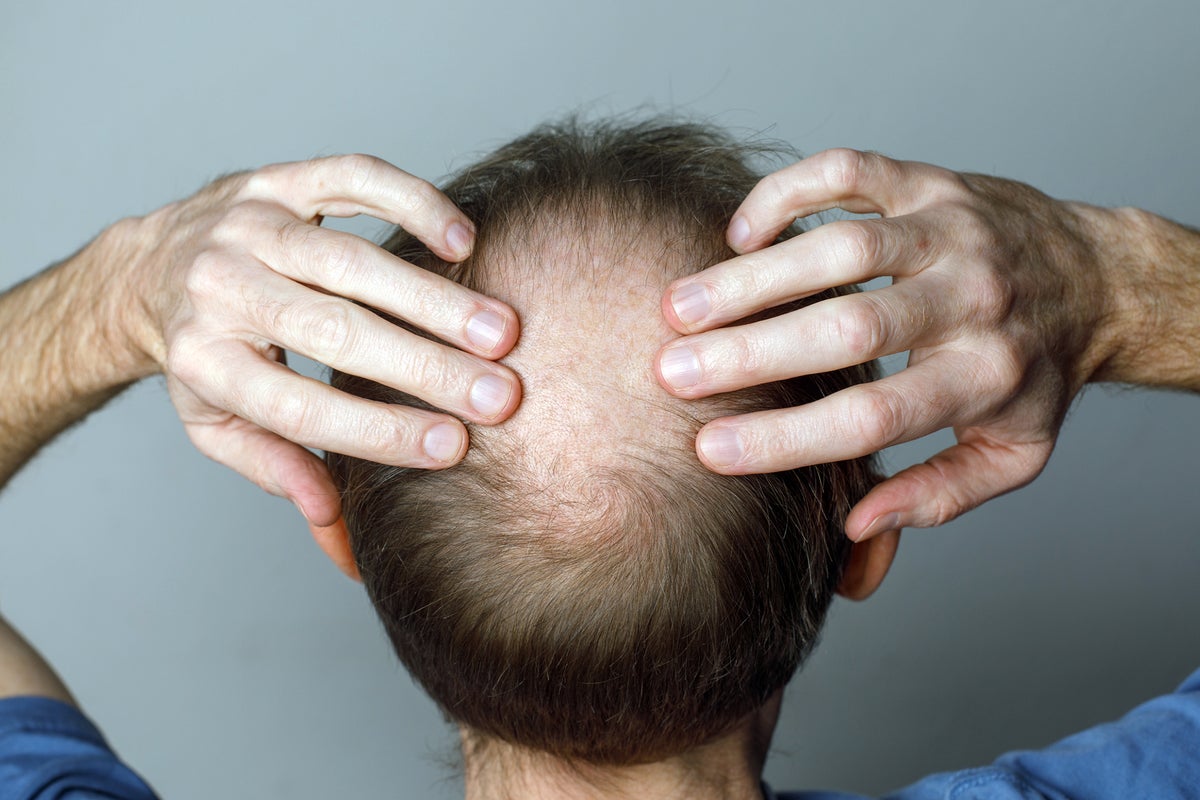
Patients taking blockbuster weight loss injections such as Wegovy and Mounjaro face up to a 68% higher risk of hair loss, a major new study of 50,000 people has found.
The research, led by experts at the University of Pennsylvania Health System and published in the British Medical Journal, compared rates of alopecia among adults with type 2 diabetes using GLP-1 receptor agonists against those on other diabetes drugs.
“Study of 50,000 people finds GLP-1 weight loss drugs linked to up to 68% higher alopecia risk.”
After adjusting for factors including age and weight, the team found that people on GLP-1s had a 37% higher risk of hair loss than those taking SGLT-2 inhibitors, and a 68% higher risk compared with users of DPP-4 inhibitors.
The analysis focused on non-scarring alopecia, where hair follicles remain intact, meaning hair could potentially regrow. Researchers said the “most likely mechanism” is rapid weight loss and reduced calorie intake, which can trigger micronutrient deficiencies such as iron and zinc.
Dr Yong Chen, of the University of Pennsylvania, said: “Weight loss and changes in nutritional status… are established risk factors for telogen effluvium, a common and typically transient form of non-scarring hair loss, providing a plausible biological mechanism for this association.”
The study adds to growing concern over the side effect. The US Food and Drug Administration has indicated it is evaluating the safety signal, while in the UK, the Medicines and Healthcare products Regulatory Agency (MHRA) has received 399 reports of hair loss linked to tirzepatide (Mounjaro) so far in 2026, alongside 541 last year. For semaglutide (Wegovy and Ozempic), the MHRA has recorded 148 reports this year and 164 last year.
The National Institute of Health and Care Excellence already lists hair loss as a “common or very common” side effect of the drugs.
Despite the risk, researchers stressed hair loss does not typically cause physical harm. Dr Chen added: “Although hair loss does not typically result in physical harm, it may have significant psychosocial consequences, affecting self-esteem, quality of life, and adherence to treatment.”
The Sun reported that topping up zinc and iron levels could help protect against the side effect, though the study did not confirm whether hair regrows after stopping the medication.
Dr Marie Spreckley, a weight management researcher at Cambridge University, said rapid weight loss from any method can trigger alopecia, not just the jabs.
The findings are likely to intensify debate about the risks and benefits of GLP-1 drugs, which have become a global phenomenon for weight loss.