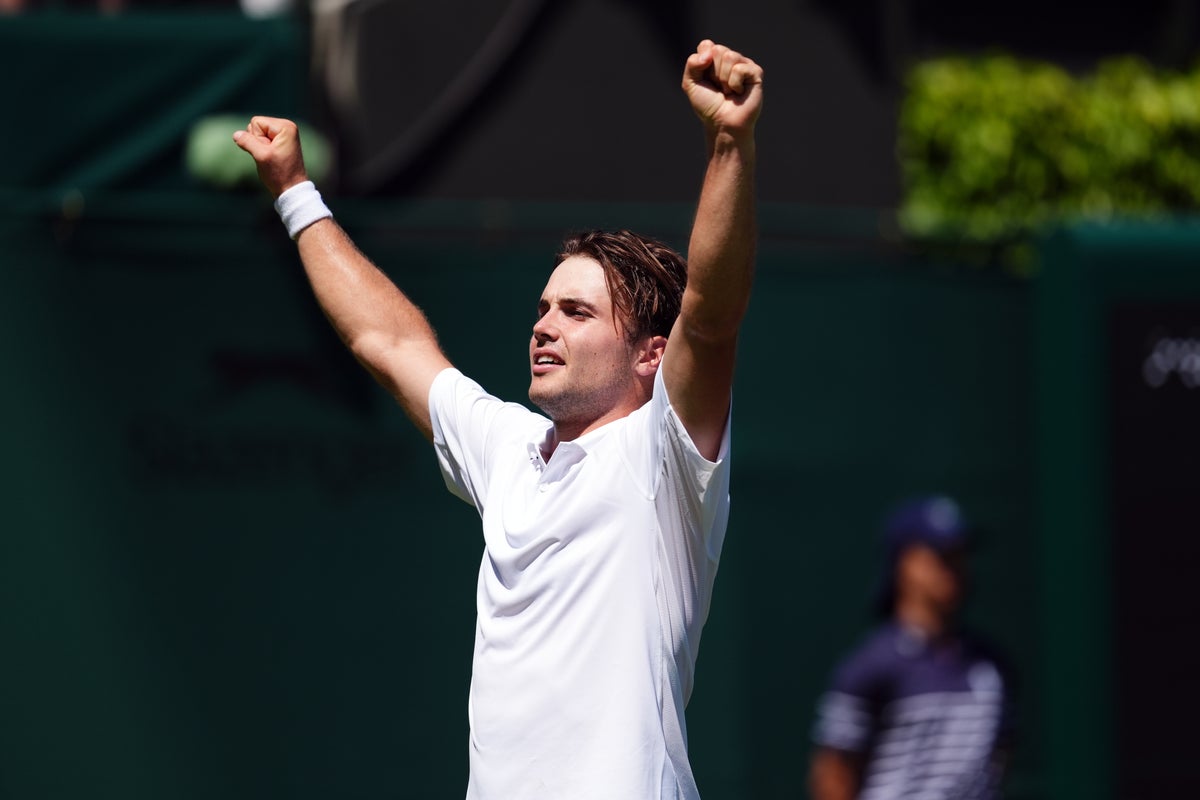
Picture this: a queue of fans who have camped out since 4am, a princess watching from an outside court rather than the royal box, and a civil war over prize money threatening the future of doubles tennis. That is Wimbledon in 2026—a tournament where tradition and tension sit side by side.
The Championships, held annually at the All England Lawn Tennis Club (AELTC) in south-west London, are the oldest tennis tournament in the world. In 2026, the tournament runs for two weeks in July, featuring singles, doubles and mixed doubles events. Four Britons were still in contention on day four: Arthur Fery, Katie Swan, Jacob Fearnley and Jan Choinski, all playing their second-round matches.
“An explainer on Wimbledon 2026's traditions, British players, Kate's visit, and the prize money civil war.”
Wimbledon is steeped in tradition. The royal box has long been a fixture on Centre Court, but on day four the Princess of Wales, Kate, broke with convention by sitting on the outside courts. Dressed in a blue linen suit, she watched Arthur Fery on Court 18 from the stands beside former semi-finalist Tim Henman. Later she moved to Court One to watch Katie Swan alongside Sir Andy Murray, a long-time friend. Kate, who is patron of the AELTC, has attended Wimbledon regularly since her cancer diagnosis in 2024; she confirmed she was free from the disease in early 2025.
But beneath the pageantry, a storm is brewing. Tennis is in the grip of a “civil war” over prize money. A group of top singles players staged a media boycott at Wimbledon last week, demanding 22 per cent of tournament revenues. That protest was called off after talks with organisers. Now the ATP Tour has proposed changes for 2028 that would slash opportunities for doubles specialists: reducing draw sizes and halving the prize money pot for doubles events.
Doubles players have reacted with fury. In a statement, a large group of them said: “Shrink doubles and you shrink the livelihoods of the coaches, physios and trainers who work alongside us, the national federations who develop doubles talent, the clubs who run doubles programmes, and the next generation of players who see a doubles career as a genuine, achievable path.” Around 150 male players specialise in doubles on tour, and the proposals could make it “impossible to make a living” for anyone outside the top 30, according to the players. The changes would also affect coaches and support staff, potentially leading to hundreds of job losses.
Why does this matter for UK readers? Wimbledon is a national institution. It draws millions of viewers on the BBC and generates significant tourism and economic activity. The success of British players is a source of pride, and the tournament’s traditions—like the royal patronage and the famous queue—are part of the country’s cultural fabric. The prize money dispute could reshape the sport, affecting the viability of doubles as a profession and the development of future British talent. Many young players start in doubles, and if that pathway is narrowed, it may become harder for the UK to produce the next Andy Murray.
Q: Which British players are still in Wimbledon 2026? On day four, four Britons were in the second round: Arthur Fery, Katie Swan, Jacob Fearnley and Jan Choinski. Fery faced Finn Otto Virtanen on Court 18, while Swan took on Madison Keys on Court One.
Q: Why did Kate, Princess of Wales, sit on an outside court instead of the royal box? Kate broke tradition by sitting on Court 18 and Court One rather than the royal box. She is patron of the AELTC and regularly attends the tournament. This year she chose to watch British players from the stands, sitting beside Tim Henman and later Andy Murray.
Q: What is the dispute over prize money at Wimbledon? Top singles players are demanding a higher share of revenue—22 per cent—from grand slam tournaments. They staged a media boycott at Wimbledon but called it off after meetings. Separately, the ATP Tour has proposed cutting doubles draw sizes and halving prize money from 2028, which doubles players say would end their profession.
What happens next? The ATP proposals are slated for 2028, but the debate is heating up. Doubles players are mobilising, and the player council will continue discussions. Wimbledon organisers face pressure from both singles and doubles camps. Meanwhile, the tournament continues, with British hopes riding on Fery, Swan, Fearnley and Choinski as they battle for a place in the third round.