A packed Lord’s fell silent as Australia’s Beth Mooney raised her bat after another masterful knock in a World Cup final. England, the hosts, had just been “completely outplayed” for the second time in a major final against their oldest rivals, losing by seven wickets with 17 balls to spare. The defeat, which sealed a record-extending seventh T20 World Cup title for Australia, ended a remarkable England revival – but also raised bigger questions about the state of the women’s game.
The Women’s T20 World Cup is the pinnacle of the shortest format of international women’s cricket. The 2026 edition was hosted by England, with the final held at Lord’s – a sold-out crowd of 30,000 watching on. England, chasing a first world title since their 50-over triumph on home soil in 2017, were restricted to 150 for four. Nat Sciver-Brunt ground out an unbeaten 58 off 53 balls, while Freya Kemp smashed 44 not out. But Australia’s reply was ruthless: Mooney (64) and Phoebe Litchfield put on a 100-run stand off 67 deliveries to break the back of the chase, and Australia coasted home.
“Why England's defeat to Australia in the 2026 final matters for UK cricket fans.”
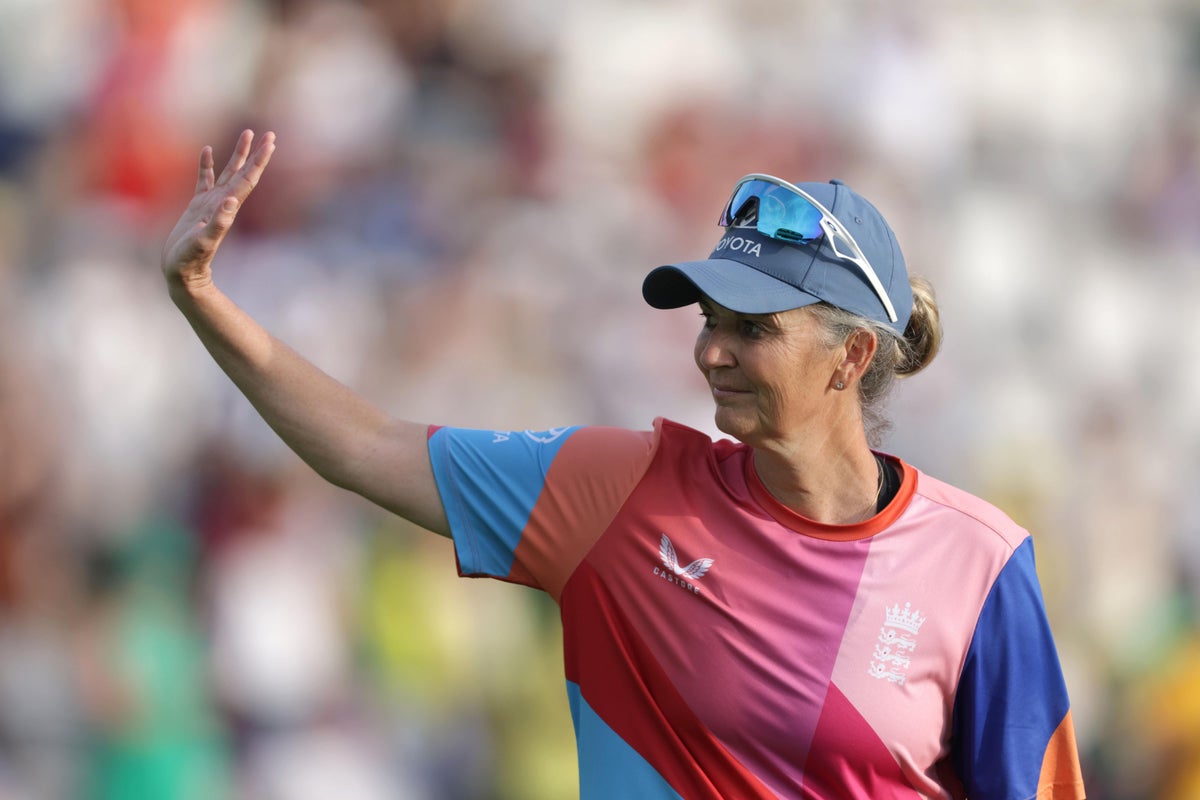
England’s journey to the final was a turnaround story. Just 18 months ago they suffered a humbling 16-0 Ashes defeat, and in 2024 they exited the T20 World Cup in the group stage. Questions were raised about their professionalism, fitness and fielding. Under head coach Charlotte Edwards and captain Sciver-Brunt, those flaws were addressed. Their fielding improved markedly and they reeled off six consecutive wins to reach their first T20 World Cup final since 2018. “They’ve won back the fans,” said Edwards. “We’re not talking about fitness or fielding, I wanted us to talk about the cricket.”
For UK readers, the final was a showcase of how far women’s cricket has come. A sell-out at Lord’s, live on BBC, and a team that captured public attention – even in defeat. Edwards said England are “not too far away” from Australia, who have dominated women’s cricket for years. Meanwhile, a parallel story: Afghanistan’s women’s cricket team, now a refugee team based in Australia, were spectators at Lord’s, hoping one day to represent their country on the world stage. Their presence underscored the political and human dimensions of the sport.
Q: How many T20 World Cups has Australia won? Australia won a record-extending seventh Women’s T20 World Cup title in 2026. They have been the dominant force in the tournament since its inception.
Q: Who were the key players in the final? For Australia, Beth Mooney top-scored with 64, her third fifty in a T20 World Cup final. For England, Nat Sciver-Brunt made an unbeaten 58 and Freya Kemp contributed 44 not out.
Q: What next for England women’s cricket? England will look to build on the progress shown in the tournament, with Edwards highlighting “lots of positive signs for the future”. The next major assignments include the Ashes and the 50-over World Cup, but no specific dates were mentioned.
The final confirmed Australia’s enduring supremacy, but England’s resurgence – and the backdrop of Afghanistan’s exiled cricketers – shows women’s cricket is in a period of change. As Edwards put it: “We competed today but we just weren’t quite good enough.”