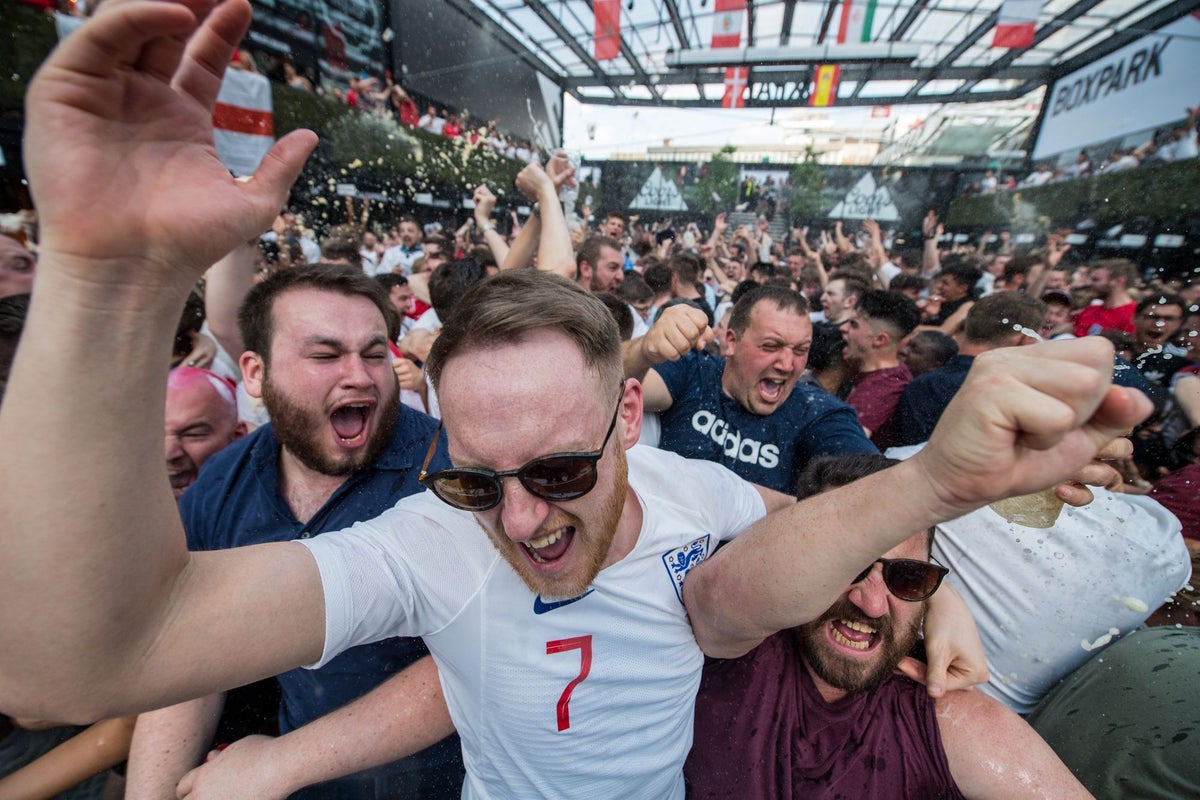
Picture this: it’s 9pm on a Wednesday in June, and millions of England fans are glued to their screens as the Three Lions kick off their World Cup campaign. Meanwhile, in accident and emergency departments across the country, something curious is happening — the waiting rooms are unusually quiet. But the calm doesn’t last.
Whenever England play a major tournament match, NHS A&E departments see a dramatic drop in attendances during the game, followed by a surge in injuries and alcohol-related incidents once the final whistle blows. Analysis of the 2024 Euros by NHS England found that during matches, an average of 17,000 fewer people visited casualty compared to a typical day. That might sound like a relief for overstretched hospitals, but the pattern flips sharply after full time: overall visits between 11pm and 7am rose by 4 per cent compared to the average for that time of night, with a 10 per cent increase in physical muscle and bone injuries — what the health service described as “consistent with falls and assaults”.
“Explains how England football matches cause A&E visits to drop during games and surge afterwards, with data from the 2024 Euros.”
The phenomenon isn’t new. The NHS has long observed that major football fixtures create a “quiet before the storm” effect. During the Euros, attendances dropped by around 11 per cent in the hour before kick-off and stayed below average throughout the match. But as fans celebrate or commiserate — often with alcohol — the walking wounded start turning up. The pattern is so predictable that hospitals now brace for it. For England’s opening World Cup 2026 match against Croatia, played in Dallas, Texas, kick-off was at 9pm UK time. That timing meant the post-match surge would hit A&E departments late at night, when staffing is already thinner. Pub bookings for the game surged by 293 per cent, according to hospitality technology provider Zonal, with many fans arriving up to two hours before kick-off.
For UK readers, the immediate impact is practical: if you need emergency care, the best time to go might be during the match itself, when queues are shorter. But the wider story is about the strain on the NHS. A&E departments in England had their busiest ever month in May 2024, with nearly 2.5 million patients. Nearly 3,000 people per day were being treated in corridors and overflow areas — a situation Dr Ian Higginson, president of the Royal College of Emergency Medicine, called “a national scandal”. While a doctors’ strike that had been planned for the same week as the match was called off, hospitals still had to contend with a heatwave and the football-related demand.
Q: Why do A&E visits drop during England matches? People with non-life-threatening problems often put off going to hospital while they watch the game. The NHS data shows many fans delay care rather than miss the action, leading to a temporary lull in attendances.
Q: What types of injuries increase after matches? The NHS recorded a 10 per cent rise in muscle and bone injuries, consistent with falls and assaults. Alcohol consumption is a major factor: fans who drink heavily during the game may hurt themselves or get into fights after full time.
Q: How does the NHS prepare for this pattern? Hospitals expect a surge in demand between 11pm and 7am on match nights. Emma Rowland, emergency care director at NHS England, urged fans to “put their health first and seek emergency treatment when they need it”, reminding supporters that no game is worth risking a serious injury.
Looking ahead, the NHS will continue to analyse data from each tournament to refine its planning. The pattern is likely to repeat for every England match in the World Cup — and for future tournaments too. The key message from health officials remains simple: if you need urgent medical help, don’t wait for half time or the final whistle.