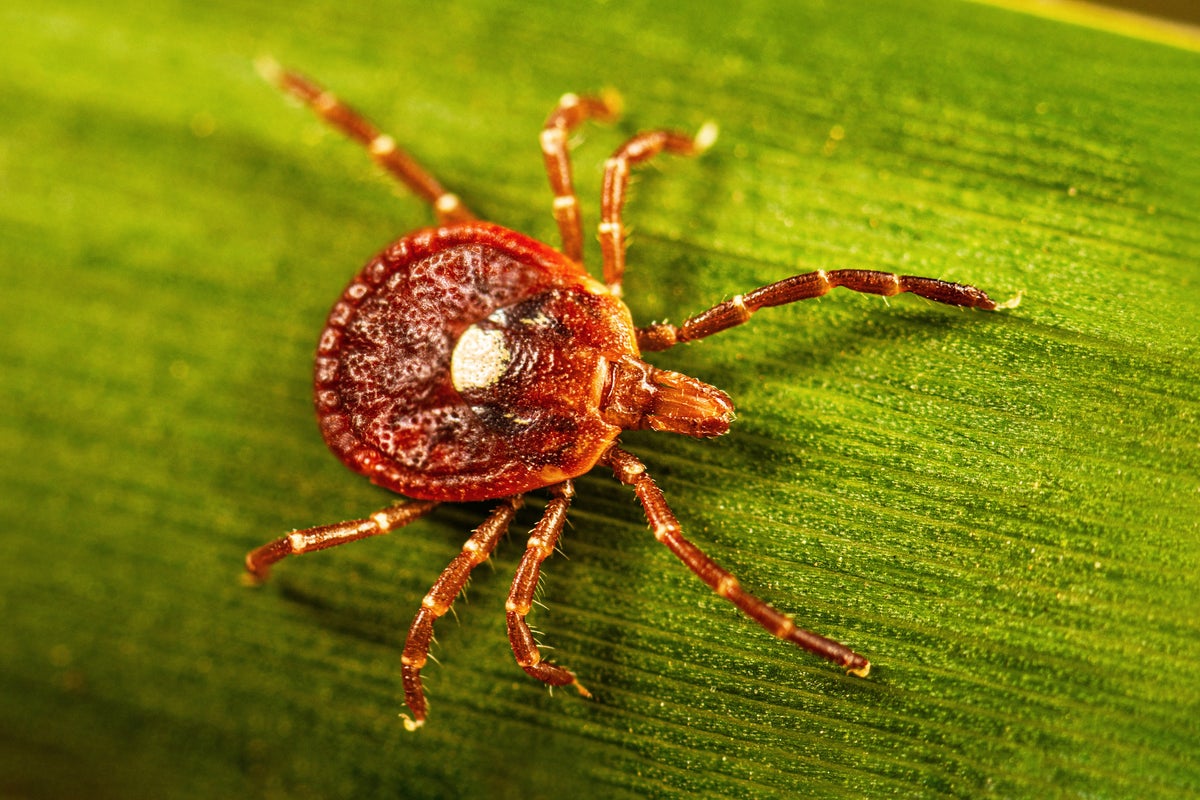
Health officials are scrambling to raise awareness of a bizarre and potentially fatal allergy — one that turns a steak dinner into a medical emergency, triggered not by the food itself but by a tick bite. Alpha-gal syndrome, first linked to tick saliva 15 years ago, is on the rise as more people report hives, diarrhoea and itchiness after eating as little as a mouthful of red meat or, in some cases, dairy.
The reaction strikes hours after consumption, but the allergy can take weeks or months to develop, with symptoms often worsening over time. Unlike other tick-borne illnesses such as Lyme disease, alpha-gal syndrome is not caused by a bacteria or virus. Instead, the human immune system mounts an allergic response to a sugar called alpha-gal, found in the meat of most mammals — but not in humans or other primates. It is also present in the saliva of certain ticks.
“Cases of alpha-gal syndrome, a life-threatening meat allergy from tick bites, are rising as awareness grows.”
“It turns out that the skin is a fantastic way to make an allergic response,” said Dr. Scott Commins, an alpha-gal syndrome researcher at the University of North Carolina. “If this all happened orally, and we were eating alpha-gal like we do with steaks or barbecue, then we wouldn’t become allergic.”
In the US, an estimated 450,000 people have developed the condition, according to a study by the Centers for Disease Control and Prevention. Experts attribute the increase partly to greater awareness. “I think part of it is more people have learned about it and are on the watch for this syndrome,” said Maria Diuk-Wasser, a Columbia University researcher who studies tick-borne diseases. Rising cases also reflect the expanding habitat of the lone star tick, the primary source in the US, which has been reported in new parts of the country.
In the UK, the allergic response remains very rare — there is no NHS page on the allergy — but in 2023 more than 3,000 people signed a petition to the government to improve diagnosis and treatment. Scientists now believe other tick species, including the black-legged tick known as the sheep tick or castor bean tick in the UK, which is a primary spreader of Lyme disease, can also spread alpha-gal.
For years, the standard treatment has involved avoiding meat from cows, pigs and lambs while carrying an epinephrine injector. But regulators recently approved the first drug for the condition: Xolair, originally developed for asthma, can help reduce severe reactions. Dr. Commins said around 15 to 20 per cent of his patients find their symptoms fade after several years. “There are certain (biologic drugs) out there nowadays that interfere with the allergic signaling,” he added. “We think that if you were on one of those — or if you got one quickly enough after a tick bite — perhaps it could interfere with the entire allergic response process.”
For now, the main advice remains stark: avoid red meat, including lamb, beef and pork. Some people even react to the smell of meat cooking, and triggers can be found in cosmetics, cleaning products and toiletries. Christopher Goldman, a 28-year-old from Woking, Surrey, developed the allergy after a tick bite in 2023 and also suffers from Mast Cell Activation Syndrome. His case is a reminder that as ticks spread, so too may this insidious allergy.