More than nine years after he left parliament to run Greater Manchester, Andy Burnham is back in Westminster – carried there by a by-election victory that has stunned Labour and exposed the limits of Reform UK’s populist surge.
Burnham won the Makerfield seat decisively, even though just five weeks earlier Reform UK had swept every single seat in the constituency in the local elections. On the doorstep, voters were openly hostile to Keir Starmer’s government. In the words of one New Statesman account, “I lost count of the number of voters I spoke to that voiced intense displeasure with the Prime Minister.”
“Andy Burnham wins Makerfield by-election decisively, overturning Reform UK’s local election sweep with a populist policy platform.”
Yet Burnham succeeded where the national party had failed. His campaign slogan – “for us” – worked because voters saw him as a politician genuinely on their side, attuned to ordinary people’s concerns and serious about taking action. Poll after poll and focus group after focus group, the New Statesman reports, have highlighted Burnham’s personal popularity.
But the victory was about more than personality. Burnham offered what the New Statesman describes as “a new economic and political settlement”. He named the political causes of the affordability crisis – deindustrialisation, privatisation, austerity – and proposed a suite of progressive but practicable policies: public ownership of essential utilities, a land value tax and electoral reform. These had felt fringe under the current Labour government, but were front and centre of Burnham’s appeal.
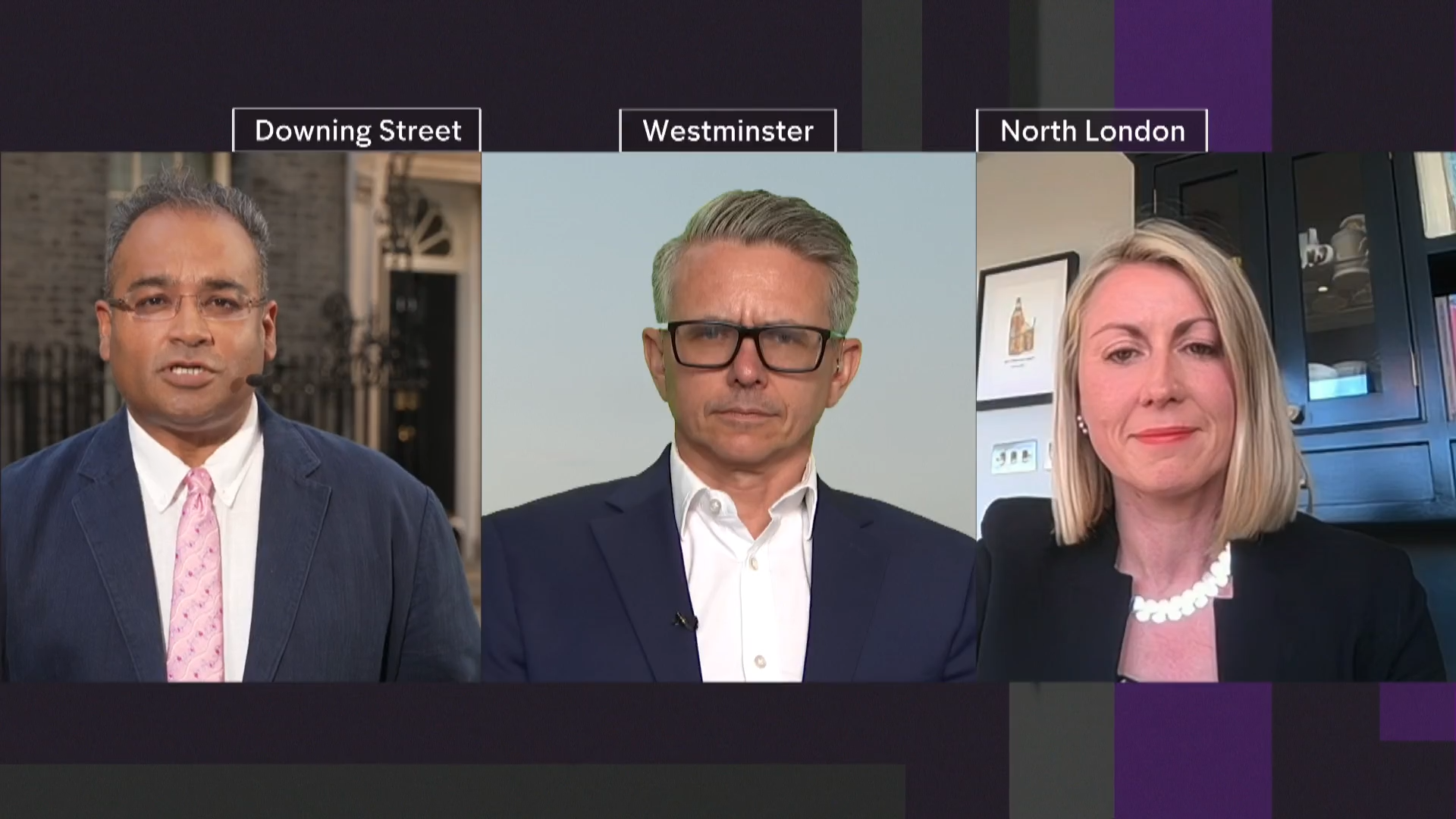
The implications for Keir Starmer are now the subject of intense debate. Krishnan Guru-Murthy of Channel 4 News asked: “What next for Keir Starmer after Burnham Makerfield win?” To discuss, he spoke to James Lyons, Starmer’s former strategic communications chief in Number 10, and Kelly Beaver, chief executive of the polling firm Ipsos.
Reform UK still leads in the national polls – but the New Statesman notes a “lesser-said wrinkle”: the criticism that Labour lacks a succinct analysis of Britain’s issues applies equally to Reform in the long term. Burnham’s campaign, offering something resembling a coherent alternative, may have shown how to beat the populists at their own game.
The question now is whether Labour learns the lesson – or whether “Brand Burnham” remains a one-man phenomenon.