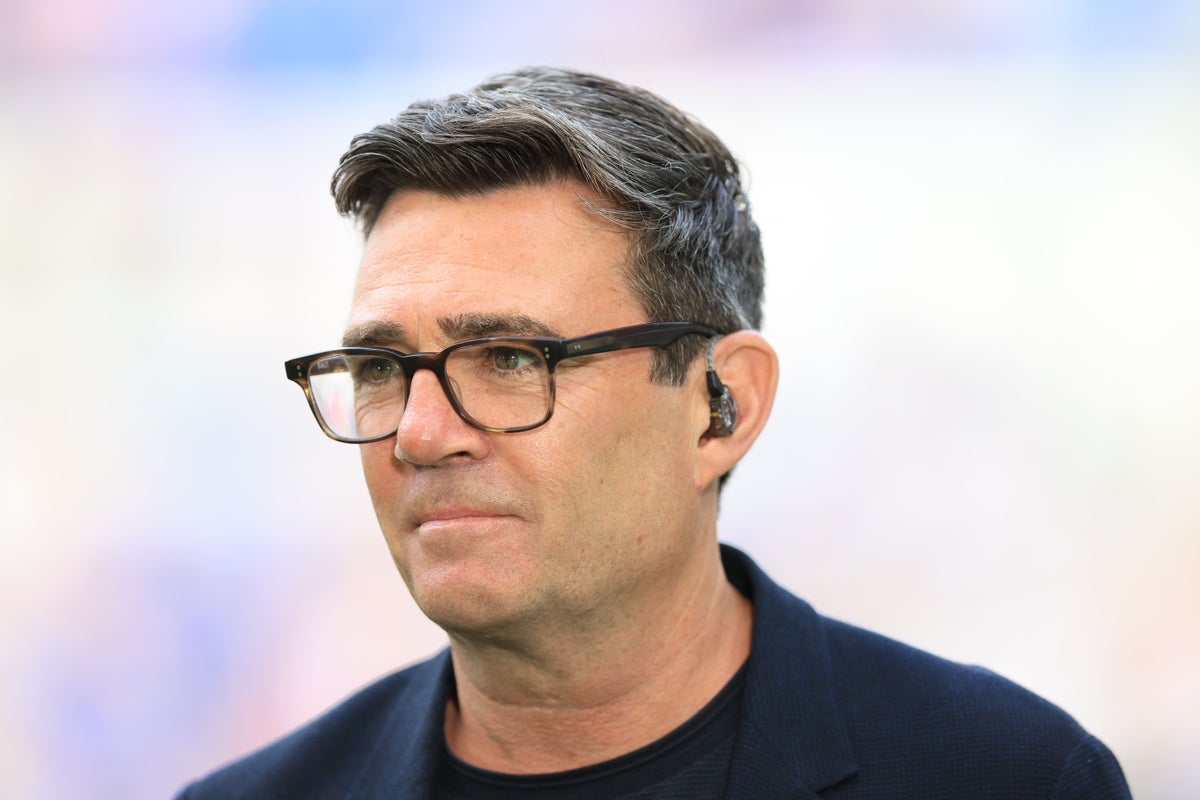
Just one month ago, Andy Burnham was still mayor of Manchester. He had not even returned as an MP. Today, however, he is set to be unveiled as the new Labour leader, replacing Sir Keir Starmer in a bloodless coup after emerging as the only candidate. On Monday he will be confirmed as the UK’s new prime minister.
Yet in that month, Burnham has avoided serious scrutiny. A speech he gave in Manchester when the leadership election was triggered saw no opportunity for the media to ask questions. And today, when he is unveiled as Labour leader, it is widely expected that he will not take questions from the media. He will give a second speech behind closed doors to Labour members somewhere in the South East.
“Andy Burnham set to become PM Monday after avoiding media questions, with parliament in recess until September.”
Labour actually tore up the order paper in parliament to prevent the Tories using an opposition day debate to force an extension of parliament into next week to allow MPs to scrutinise the new prime minister. It means that, with parliament in recess, Burnham has until September to lead the country without facing proper scrutiny, including on major decisions around the direction of his government.
So far, he has exposed himself to 15 minutes of friendly chatter with the journalist Andrew Marr on LBC, a discussion about football with Gary Lineker, and some carefully curated questions from the public on Reddit. Rather amusingly, Tory leader Kemi Badenoch gatecrashed the Reddit Q&A just to get a question to him. Even his appearance in central Cardiff this week, where he took an hour of questions from the public, was cut down to a short clip on his social media channels that didn’t offer any enlightenment on his plans for government.
Instead, Burnham is adopting a strategy being used now by Nigel Farage, who also wants to duck questions about his undeclared donations, of avoiding the press and doing direct videos on social media to the public. He needs to listen to the warning given by Sir Keir’s former director of communications, Steph Driver, who has written a report for the Institute for Government about the failings of current government communications. She wrote: “It’s fashionable to suggest prioritising digital strategies and disregarding legacy media. This is a false choice. Government comms now means being everywhere, to everyone, all the time, from TikTok on the bus to the 10pm headlines, to chasing the front pages.”
As he enters No 10 on Monday, Burnham has pledged to be “unashamedly Labour”. But with scrutiny deferred until September, questions about how he intends to govern remain unanswered.
