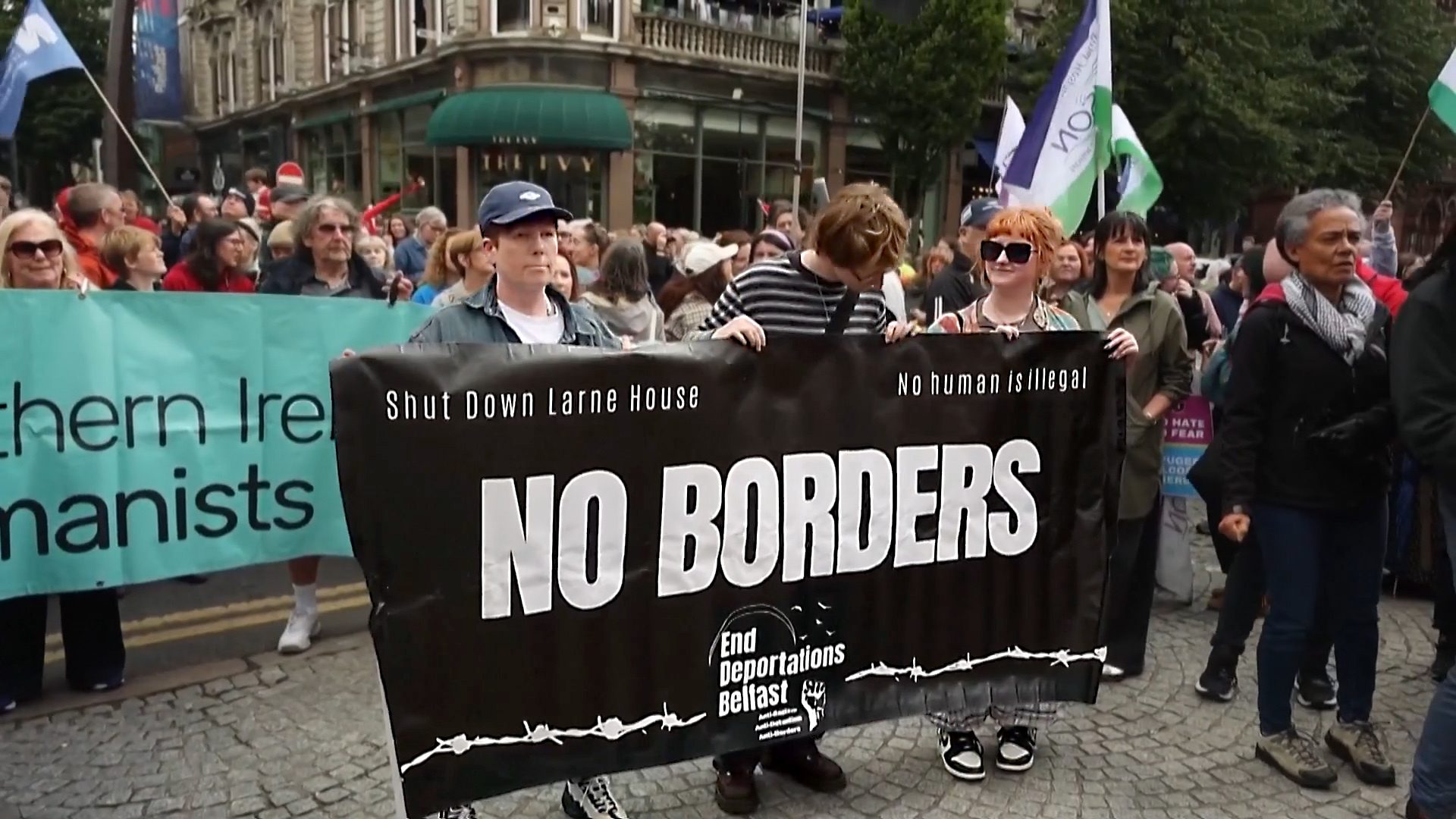
In recent weeks, rival protesters have clashed in UK cities as anti-racism rallies are met by anti-immigration counter-protests. In Glasgow, thousands gathered for a “reclaim our streets” anti-racism rally, while a small anti-immigration counter-protest led to clashes between the two groups. Similar scenes played out in Belfast and Derry, where large crowds turned out for anti-racism rallies after several days of violent unrest across Northern Ireland linked to a knife attack. Politicians said the United Against Racism protest in Belfast was the biggest ever seen in the city, and demonstrators applauded speeches condemning racist violence and intimidation.
These protests are part of a long history of public demonstrations in the UK against racism, often triggered by specific incidents such as knife attacks or other violent crimes. Counter-protests, usually smaller and organised by anti-immigration groups, aim to oppose the messages of anti-racism rallies. When both sides gather in the same location, tensions can escalate into physical clashes, as seen in Glasgow where rival protesters came into conflict.
“Anti-racism protests and counter-protests in the UK, including recent clashes in Glasgow and Belfast”
For UK readers, these events highlight the deep divisions in society over issues of race, immigration, and national identity. They often occur in cities with diverse populations and can disrupt daily life, as well as raise concerns about public safety. Understanding why these protests happen—and why they sometimes turn violent—helps readers make sense of news coverage and the broader social tensions in the country.
Q: What is an anti-racism rally? An anti-racism rally is a public demonstration where people gather to oppose racism and show solidarity with ethnic minority communities. These rallies are often organised by groups like United Against Racism and can draw thousands of participants.
Q: What is a counter-protest? A counter-protest is a demonstration held in opposition to another protest. In this context, anti-immigration groups sometimes organise small rallies to challenge the messages of anti-racism events.
Q: Why do anti-racism protests and counter-protests sometimes clash? When both sides gather in the same location, tensions can rise due to opposing views on immigration and race. Physical clashes may occur if demonstrators try to confront each other, as happened in Glasgow when rival protesters clashed.
What happens next depends on whether further knife attacks or other triggers occur, prompting more rallies. Police are likely to maintain a presence at such events to prevent violence, but the potential for further clashes remains as long as the underlying societal divisions persist.