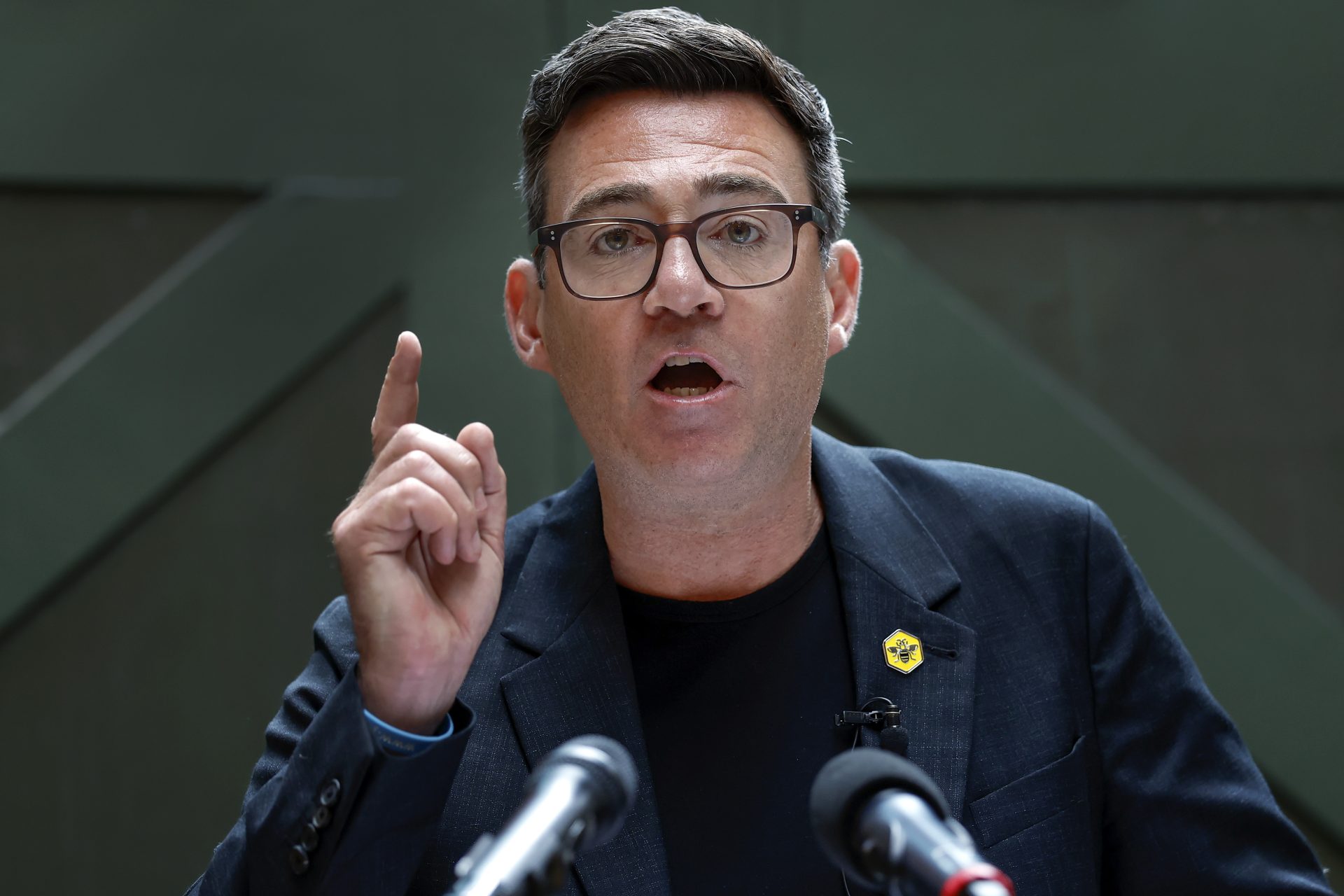
Andy Burnham has declared Westminster “broken” in his landmark devolution speech, using language once the preserve of right-wing populists — and signalling a dramatic reshaping of British politics as the new Labour leader takes power.
The Lancastrian’s ascent follows an internal Labour coup that sacrificed another failed leader in a bid to stave off electoral revolution. But the parallels with Nigel Farage, now the dominant figure in British political life around whom “all else revolves”, are striking. Both men tap into a public mood that, according to Burnham’s manifesto-by-proxy, “ask now for only what is obvious: major, even fundamental changes in British society” to shed “the meanness and frustration of long years of stagnation and decline”.
“Andy Burnham declares Westminster 'broken' in devolution speech, echoing Farage as Labour coup reshapes politics amid public demand for fundamental change.”
The document, titled The Productive State, unabashedly adopts a “declinist” framework still mocked as a right-wing fantasy by backward-looking elements of the Labour Left. It warns that “Labour have hitherto not delivered on that demand. If that feeling does not change, the electoral consequences will be severe.”
Burnham’s rise comes as Britain reels from what the article describes as “summer ethnic riots” that have “rapidly become a routine problem of governance”. The country, it says, is caught between an electorate demanding total change and Westminster’s inability to reform — a consensus now shared by the liberal centre, which waves away its own unpopularity as the product of “an irrational political climate”.
“Winning an election, even by a landslide, is now no guarantee against total and instant rejection by a British public that has never before been in such a volatile and revolutionary mood,” the piece states.
But whether Burnham will be a force for continuity or total change remains an open question. Many who now celebrate his successful coup, the article notes, were just as feverishly exultant two years ago over “the coming Starmerite golden age”. If they were better judges of the country’s mood, “we would not be here today.”
The next months will test whether Burnham’s Manchesterism — fleshed out in The Productive State — can deliver the reform the public demands, or whether he, like his predecessor, will be consumed by the very forces that propelled him to power.