More than nine years after leaving parliament to head north, Andy Burnham is back. The former Labour minister returned to Westminster last night after winning the Makerfield by-election – a seat that Reform UK had swept in local elections just five weeks earlier. The result, described by analysts as a decisive Labour win in a constituency where open hostility to Sir Keir Starmer was palpable on the doorstep, has immediately triggered questions about the Prime Minister’s future.
Burnham’s victory was no fluke. In the May local elections, Reform UK won every single seat up for grabs in Makerfield. Yet Burnham – whose personal popularity has come to the fore in poll after poll and focus group after focus group – turned it round. His by-election campaign slogan, “for us”, worked because voters genuinely see him as a politician on their side, according to observers. As one commentator noted, “the most obvious explanation is ‘Brand Burnham’”.
“Andy Burnham's decisive Makerfield by-election win exposes deep dissatisfaction with Keir Starmer's leadership.”
But the analysis goes deeper. Burnham offered voters a new economic and political settlement, one that named what he called the causes of the affordability crisis – deindustrialisation, privatisation and austerity – and proposed a suite of progressive policies. Front and centre of his pitch were public ownership of essential utilities, a land value tax and electoral reform – policies that have felt fringe under the current Labour government but were popular with Makerfield voters.
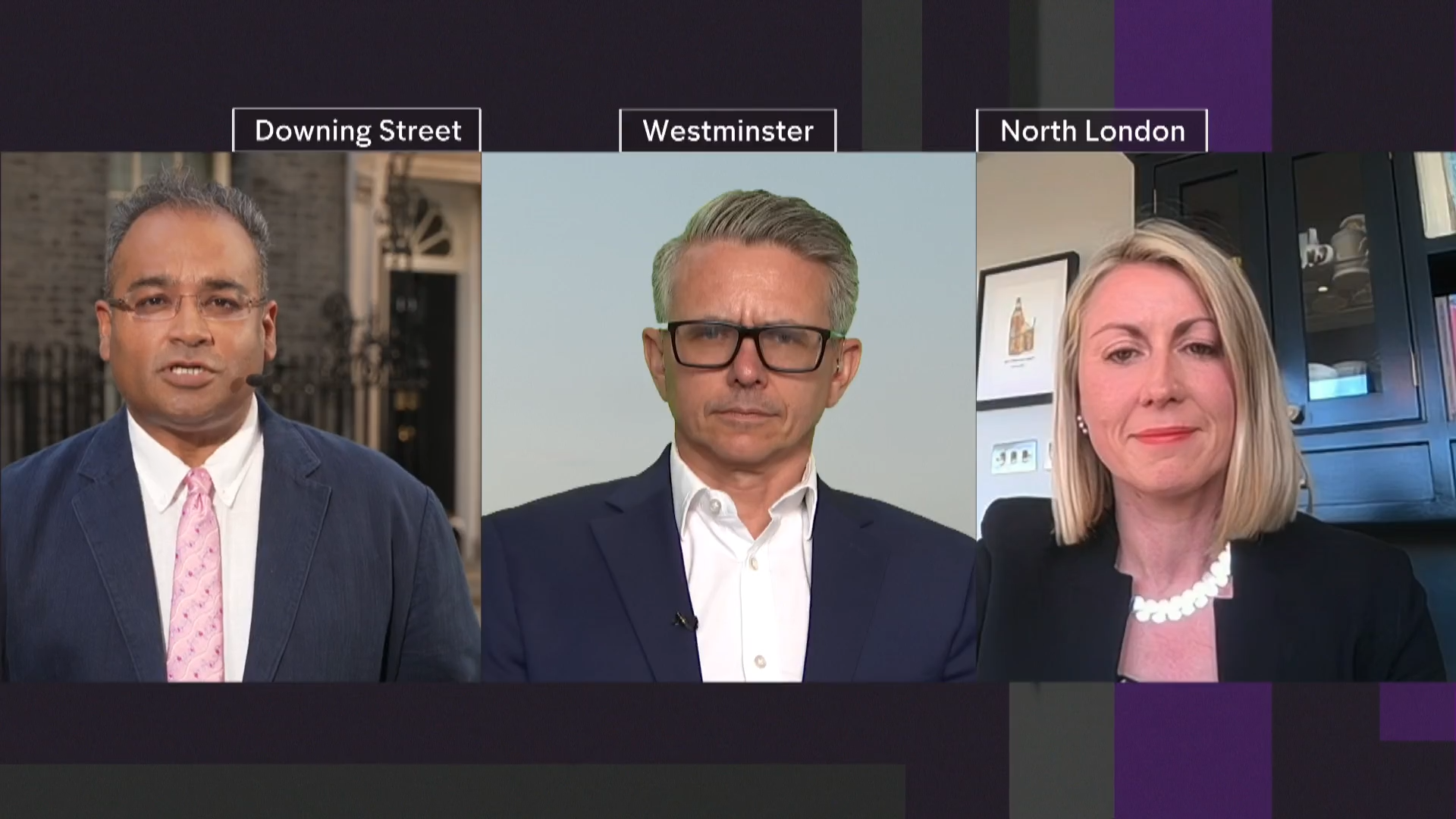
James Lyons, who served as Keir Starmer’s strategic communications chief in Number 10, and Kelly Beaver, chief executive of the public opinion research firm Ipsos, discussed what happens next for the Prime Minister. The question now is how Labour heeds the lessons of Makerfield. The New Statesman argues that while Burnham’s gifts as a communicator and relationship-builder helped him resonate, it was the political offer that secured victory – and that this offers a blueprint for Labour’s future.
Reform UK still leads in national polls, but the criticism levelled at the Labour government – that it lacks a succinct analysis of Britain’s issues and a coherent way to solve them – also applies to Reform in the long term. Burnham’s campaign provided something resembling that analysis, and it worked. For Starmer, the lesson is stark: personality alone may not be enough to counter the populist surge.