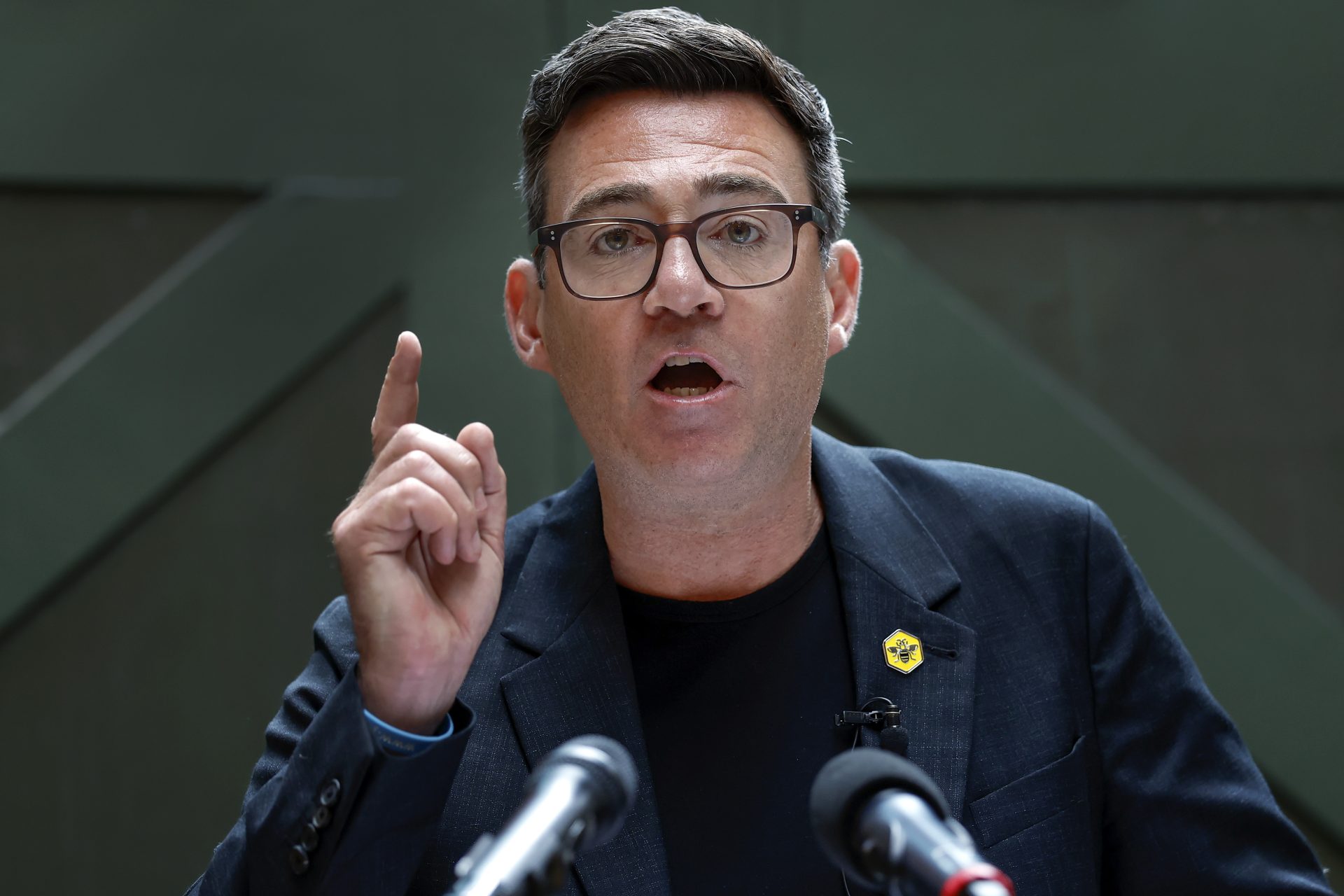
Andy Burnham has seized control of Downing Street, the Lancastrian usurper securing his hold on Westminster after Labour carried out an internal coup to stave off an electoral revolution. The party sacrificed yet another failed leader, offering him up to a British public that has never been so volatile and revolutionary. Winning an election, even by a landslide, is now no guarantee against instant rejection, as the country finds itself caught between a desire for total change and Westminster’s inability to reform.
In his landmark devolution speech, Burnham declared that Westminster is “broken” — language no longer the preserve of Right-wing populists. His ascendancy comes a decade after Brexit, a wasted decade for those wishing reform of Britain’s sclerotic and increasingly despised institutions. The years of permanent crisis have spurred rapid political evolution, with summer ethnic riots now a routine problem of governance. Nigel Farage has evolved into the dominant figure in British political life, around whom, in fear or expectation, all else revolves.
“Andy Burnham becomes PM after Labour coup, warns Westminster is broken as public demands radical change.”
Burnham’s manifesto-by-proxy, The Productive State, aims to flesh out his much-invoked but nebulous Manchesterism as a program for governance. It unabashedly adopts a declinist framework, stating that the public “ask now for only what is obvious: major, even fundamental changes in British society” to cast off “the meanness and frustration of long years of stagnation and decline.” The paper warns: “Labour have hitherto not delivered on that demand. If that feeling does not change, the electoral consequences will be severe and lasting.”
Yet there is no particular reason to believe Burnham will be any more successful in office than his predecessor. Many of those now celebrating his successful coup were, two years ago, just as feverishly exultant over the coming Starmerite golden age. If they were better judges of the country’s mood, the nation would not be here today. Future historians may characterise Burnham either as a continuity figure carrying out necessary reforms to save a failing system, or as an agent of total change. For now, he disburses sinecures to faithful retainers, and a sceptical public watches to see whether he can deliver where others have failed.