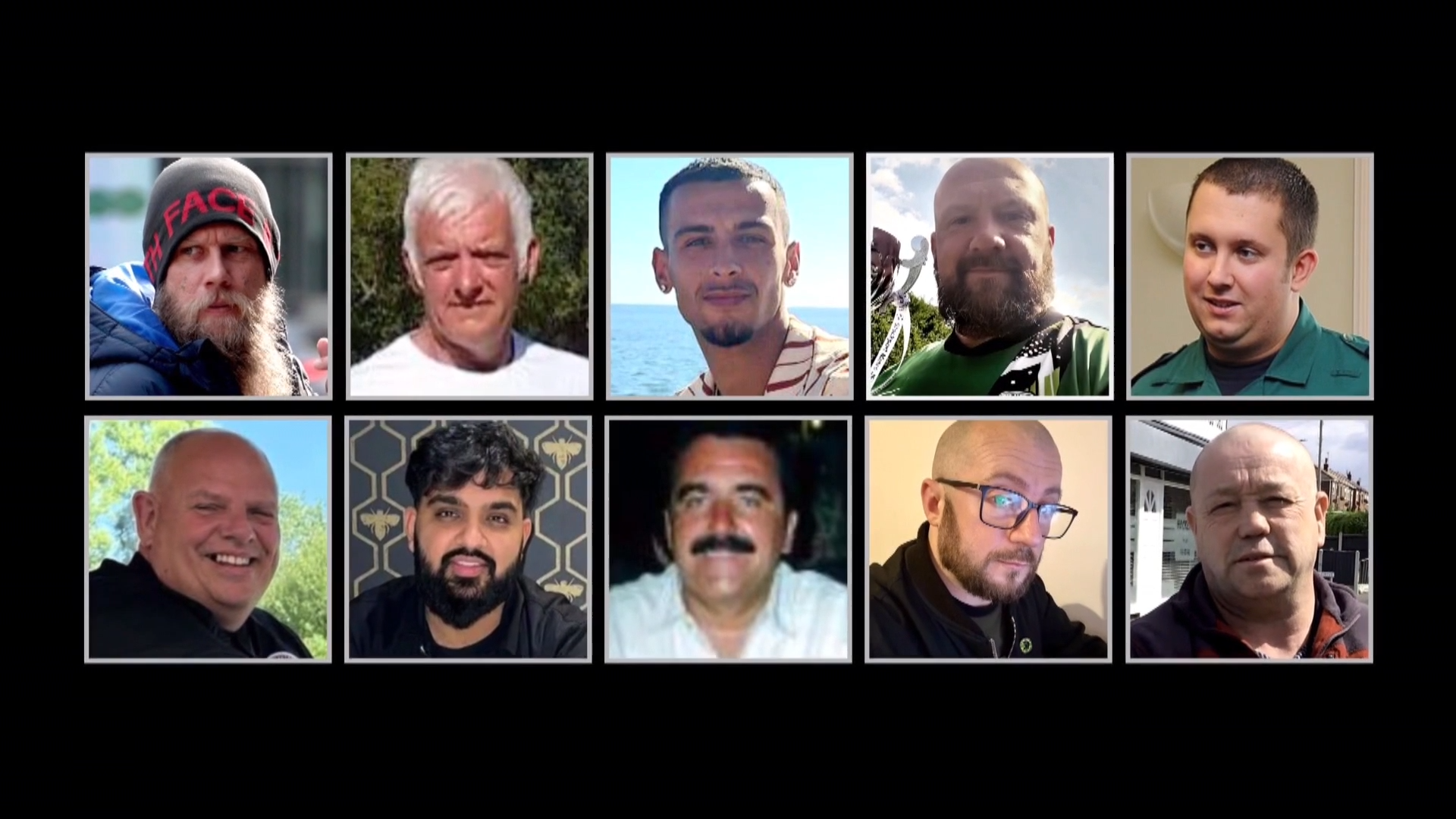
In June 2026, a court in Manchester lifted reporting restrictions to name 13 men accused of conspiring with a husband to drug and rape his wife. Among them are a paramedic who once met Prince Harry, a former football club chief executive, and a 73-year-old. The husband, who cannot be named to protect his wife's identity, has admitted 15 charges including five counts of rape but denies drugging her for sex. The case has shone a spotlight on two often misunderstood areas of law: conspiracy to rape and drug-facilitated sexual assault.
The basic facts are straightforward. The main defendant, a man in his sixties from Stockport, is accused of drugging his wife over a period from 2004 to 2025 and raping her while she was unconscious. He is also charged with conspiring with others to do the same between 2018 and 2025. The 13 co-defendants, aged from 28 to 73 and from across the UK, face a range of charges including conspiracy to rape, rape, and administering a substance with intent to stupefy. Some, like Keith Fotheringham, 59, from Dundee, have already pleaded guilty to conspiracy charges and will be sentenced later. Others, including paramedic Jonathan Kirk and former Taunton Town FC chief executive Karl Lindsay, deny all charges. The trial is set for 1 September at Manchester Crown Court.
“Explaining conspiracy to rape and drug-facilitated sexual assault through a major UK case.”
To understand the charges, it helps to know how English law treats conspiracy. Conspiracy to rape means two or more people agreed to commit rape, even if the rape itself did not take place. The prosecution must prove there was a genuine plan, not just talk. This makes it a serious offence in its own right, carrying a maximum life sentence. Drug-facilitated sexual assault – often called “date rape” – involves administering a substance to render someone incapable of consent. Consent must be given freely and with full awareness; an unconscious or drugged person cannot legally consent. The case highlights that such offences can occur within marriage, and that others can be complicit long after the fact.
For UK readers, this case matters for several reasons. It shows how sexual offences can involve multiple perpetrators acting in concert, often across a network. It also raises questions about how victims are protected: the wife in this case has automatic lifelong anonymity under the Sexual Offences (Amendment) Act 1992, which is why her husband cannot be named. The case also illustrates the increasing use of conspiracy charges to tackle organised sexual offending, and the challenges of prosecuting historic abuse – the alleged drugging spans two decades.
Q: What is conspiracy to rape? Conspiracy to rape is an agreement between two or more people to commit rape. It does not require the rape to actually happen – the agreement itself is a crime. In this case, the husband is accused of conspiring with the other men to drug and rape his wife, and several of them face this charge even if they did not personally rape her.
Q: What is drug-facilitated sexual assault? Drug-facilitated sexual assault occurs when a victim is given a substance – alcohol, prescription drugs, or illegal substances – that impairs their ability to consent or resist. Under English law, consent must be given voluntarily and with the capacity to do so. If a person is drugged, stupefied, or unconscious, any sexual activity is automatically an offence.
Q: Why can’t the husband be named? He cannot be named because to do so would identify his wife, the alleged victim. Under the Sexual Offences (Amendment) Act 1992, victims of sexual offences have lifelong anonymity. This protection extends to any details that might lead to their identification, including the name of a spouse or partner accused of assaulting them.
What happens next depends on the trial, which begins on 1 September 2026. The husband, along with most co-defendants, will face a jury in Manchester. Those who have pleaded guilty – so far only Keith Fotheringham – will be sentenced after the trial concludes. The case is likely to last several weeks, and reporting restrictions may remain in place to protect the victim's identity.