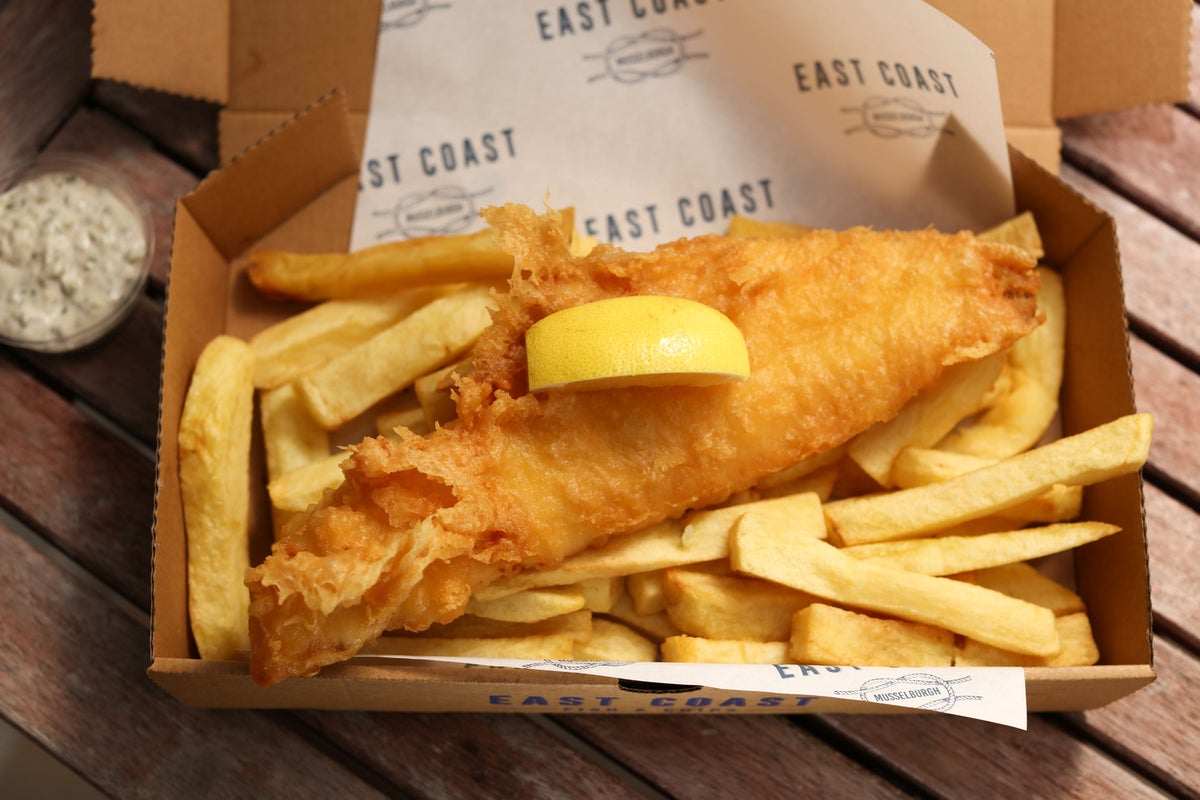
A portion of cod and chips now costs an average of £11.41 across the UK, while haddock and chips has reached £10.29 – a far cry from the £6.48 customers paid just seven years ago, according to industry body Seafish and Office for National Statistics figures. The beloved British takeaway is becoming a luxury as rising costs for fish, potatoes, oil and energy squeeze both shop owners and punters.
Fish and chips has been a national staple since the 19th century, but the economics behind it are under severe pressure. The main ingredients – white fish (usually cod or haddock), potatoes, cooking oil, and the energy to fry them – have all become more expensive. Wholesale cod prices have jumped 300% in 16 months at some independent shops, said Joseph’s Fish and Chips in Bermondsey, which now only serves cod on Thursdays, Fridays and Saturdays. The National Federation of Fish Friers, which represents thousands of chippies, notes that the sector is adapting by diversifying menus (adding kebabs, pizzas or masala fish) or cutting options to stay afloat.
“The rising cost of fish and chips in the UK, why prices have surged, and what it means for consumers.”
Several global factors are driving the price rise. The war in Ukraine has pushed up energy costs and disrupted supply chains, while conflict in Iran has added further volatility. A key issue is the reduction of the Barents Sea quota – a legally set limit on cod catches jointly determined by Norway and Russia. That quota cut has reduced the amount of fish coming into the UK, pushing up prices. The result: a classic meal that was once a cheap treat is now hitting wallets hard.
For UK readers, the impact is direct. Fish and chips is not just a meal; it's a cultural institution. Whether you’re buying from a seaside chippy or your local high street takeaway, prices are up across the board. Families who once enjoyed a regular Friday night fish supper may now find it a rare indulgence. Some shops have warned that cod could disappear from menus entirely if costs continue to rise. On the flip side, businesses are showing resilience: many are finding innovative ways to keep customers coming, but the days of the £7 fish and chips may be gone for good.
Q: Why has the price of fish and chips gone up so much? A: The main reasons are higher costs for fish (especially cod and haddock), potatoes, cooking oil, and energy. Global events like the war in Ukraine and conflict in Iran have disrupted supply chains, while a reduction in the Barents Sea cod quota has limited fish imports.
Q: How much does fish and chips cost now compared to a few years ago? A: According to Seafish and the Office for National Statistics, a portion of cod and chips now averages £11.41, and haddock and chips £10.29. Seven years ago, the average was around £6.48.
Q: Will cod and chips disappear from UK menus? A: Some fish and chip shops have warned that cod could be removed if prices keep rising. Already, some shops like Joseph’s Fish and Chips in Bermondsey only serve cod on limited days. Others are switching to alternative fish or diversifying their menus.
What happens next depends on global commodity prices, fishing quotas, and energy costs. The National Federation of Fish Friers says businesses are adapting, but the long-term trend will be shaped by geopolitical stability and climate impacts on fish stocks. For now, the nation’s favourite takeaway remains on the menu – but at a premium.