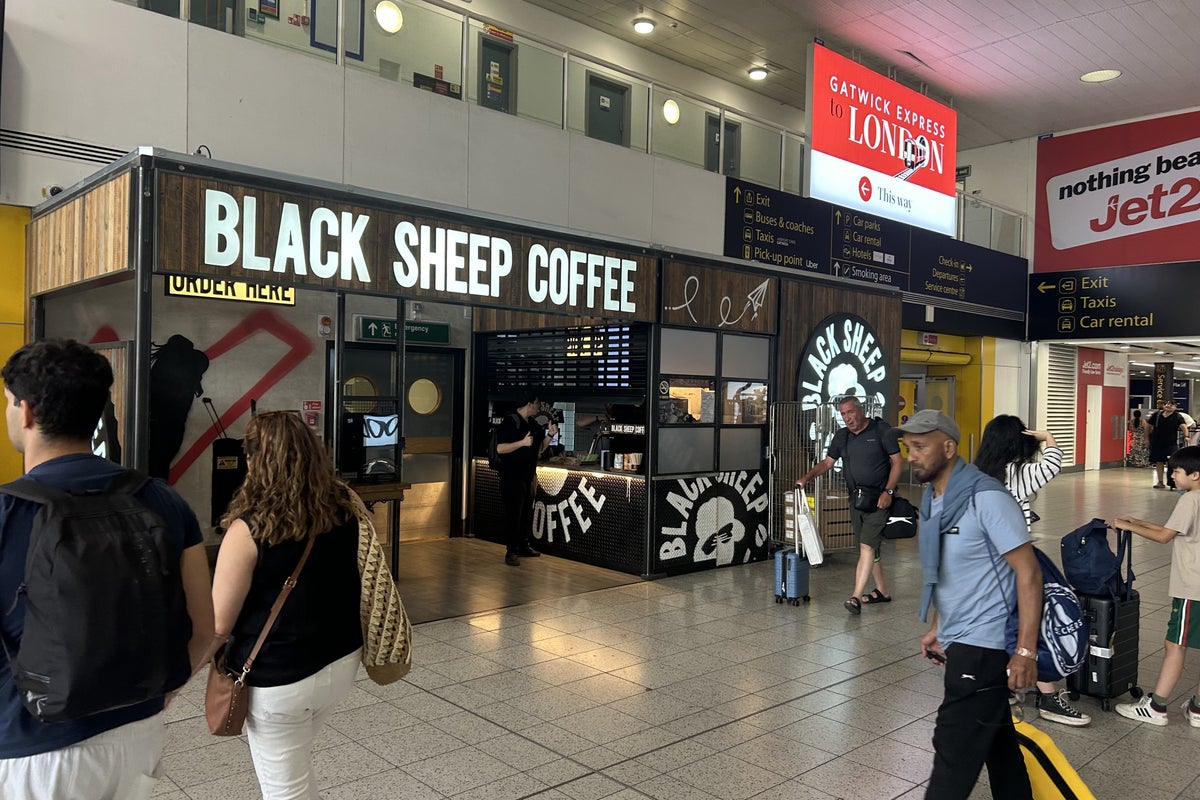
Imagine arriving at the airport for your holiday, only to find no running water – no flushing toilets, no hand washing, no coffee, and no drinking fountains. That was the reality for thousands of passengers at London Gatwick on 26 July 2026, when a water outage crippled both terminals for more than eight hours.
The problem began early that morning when a loss of pressure and supply from Sutton and East Surrey (SES) Water's Bough Beech Water Treatment Works affected the entire airport. Gatwick, the UK's second-busiest airport, handles around 46 million passengers a year, but on this day, bottled water and limited toilet blocks were the only relief. Flights continued to operate, but long bathroom queues, closed cafes and bars, and poor communication left travellers frustrated and confused. Charlotte Anstey, a passenger travelling to Spain, told Metro that no announcements were made after security, and she only found out from a restaurant employee. "The worst part of this is the lack of access to toilet facilities," she said, adding that guards were blocking off toilets with no warning signs.
“What caused Gatwick's 8-hour water outage and why airport infrastructure failures matter for UK travellers.”
Airport water outages are rare but highlight a critical vulnerability: modern airports are entirely dependent on external utility supplies. While Gatwick's own infrastructure may be robust, a failure at a regional water treatment plant hundreds of metres away can bring terminal operations to a standstill. SES Water, which supplies parts of Surrey, West Sussex, Kent and South London, confirmed the issue at Bough Beech. The airport activated contingency measures, including distributing bottled water and opening limited toilet blocks, but many passengers reported not receiving the promised supplies. TalkTV presenter Julia Hartley-Brewer criticised the airport for not making a public announcement earlier, posting on X that "Gatwick hasn't bothered to make a public announcement about this to passengers." The airport eventually issued a statement around 11am, but travellers said it came too late.
For UK readers, this incident is a reminder that even world-class infrastructure can be disrupted by a single point of failure. The 2026 Gatwick outage raises questions about how airports communicate during emergencies, and whether they have adequate back-up systems – such as on-site water storage or independent supply lines – to cope when the mains fail. While the water supply was eventually restored after over eight hours, the episode left a lasting impression on travellers who faced squalid conditions during peak holiday season. Social media users even called for the airport to close until the problem was fully resolved.
Q: How long did the Gatwick water outage last? A: The outage began early on 26 July 2026 and lasted over eight hours, with water supply finally returning later that afternoon.
Q: Was the water outage caused by a problem at the airport itself? A: No. The issue originated at SES Water's Bough Beech Water Treatment Works, which supplies the Horley area where the airport is located. The airport was a victim of a wider regional supply failure.
Q: What should you do if you're at an airport with a water outage? A: Check airport announcements and social media for updates. Carry your own water and hand sanitiser, and avoid going through security until you're sure facilities are available. If you can, consider delaying your arrival until the problem is resolved.
As for what happens next, Gatwick and SES Water are likely to investigate the cause of the treatment works failure and review contingency plans. The airport may face pressure to improve communication protocols and invest in back-up water supplies. For passengers, the incident serves as a cautionary tale: even a routine utility failure can turn a travel day into an ordeal. Being prepared – and knowing your rights – can make all the difference.