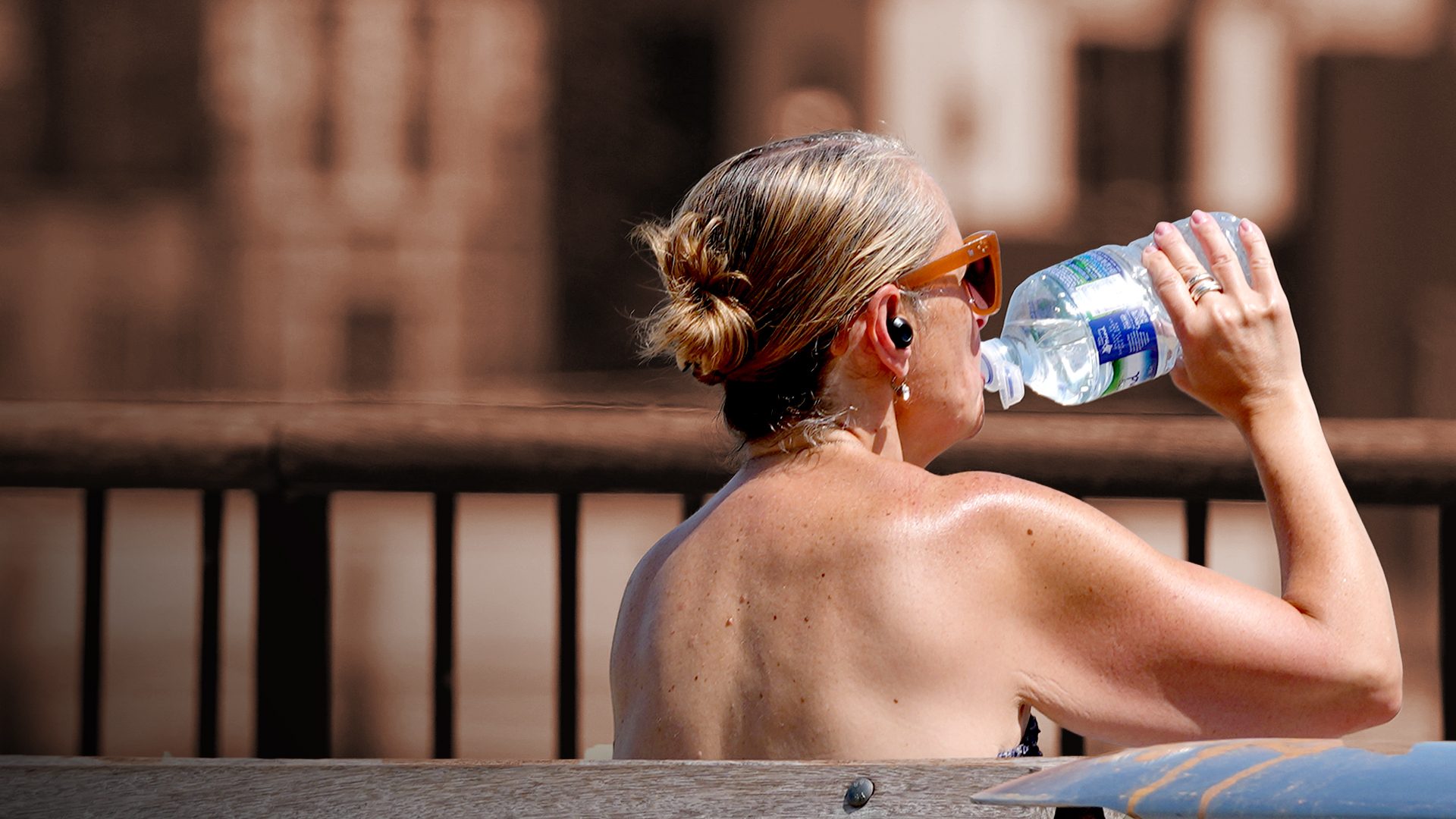
Temperatures are forecast to hit 40°C in parts of England and Wales, prompting the Met Office to issue red weather warnings and the UK Health Security Agency (UKHSA) to release red health alerts. As Britons look to cool down by rivers and reservoirs, a different, less obvious danger is emerging: heart failure, not heatstroke, accounts for more deaths during heatwaves.
A heatwave is a prolonged period of abnormally hot weather. In the UK, the Met Office issues warnings when temperatures pose a risk to health. For June 2026, red warnings cover the East Midlands, West Midlands, South East, South West, London, and East of England. Schools have closed in some areas, and many people are turning to open water to cool off, but recent drowning incidents have prompted warnings about safety from open water swimming clubs.
“Why heatwaves are dangerous: heart failure is the biggest killer, and statins must be stored correctly.”
The primary health risk in a heatwave is cardiovascular strain, not heatstroke. As BBC journalist and former weather presenter Lara Lewington explained, when the body gets hot, it directs more blood toward the skin to radiate heat. This forces the heart to beat harder and faster. For elderly people or those with pre-existing conditions, this extra strain can push their system to its limit, increasing the risk of stroke, heart attack, or heart failure.
For UK readers, this matters because an estimated seven to eight million adults in the UK take statins, one of the most widely prescribed drugs. Most medicines must be stored below 25°C or their active ingredients can break down, making them ineffective. During a heatwave, statins stored on windowsills, in kitchens, or bathrooms can be damaged by heat and humidity. If the medication stops working, patients could face undetected increases in LDL cholesterol, leading to life-threatening heart complications. The UKHSA advises storing statins in cool, stable places like drawers, wardrobes, cupboards, or pantries, away from direct sunlight and heat sources.
Q: What is the main cause of death during heatwaves? The main cause is heart failure, not heatstroke or dehydration. When the body heats up, the heart works harder to pump blood to the skin, and this extra strain can trigger heart attacks or strokes in vulnerable people, especially the elderly.
Q: Why do statins need special storage during a heatwave? Statins must be kept below 25°C to remain effective. High temperatures can break down the active ingredients, making the pills useless. Damaged statins can lead to increased cholesterol and heart risks. Avoid storing them in windowsills, kitchens, or bathrooms.
Q: How can I stay safe during a heatwave? Stay hydrated, keep cool, and check on elderly or vulnerable relatives. Store medications in cool, dark places like drawers or cupboards. If you go swimming in open water, follow safety advice from local clubs to avoid drowning.
What happens next? The heatwave is expected to continue with temperatures possibly exceeding the UK's all-time high of 40.3°C recorded in July 2022 and breaking the June record of 35.6°C from 1976. Red weather warnings and health alerts remain in place, and schools are closed in affected areas. The UKHSA continues to advise precautions, especially for those on medications like statins.